Caption
Did you know that the bubonic plague was in part caused by weather? Find out how weather has impacted history!

Weather has always been more than small talk—it’s been a powerful force shaping the course of human history. From devastating droughts that sparked revolutions to cold snaps that fueled fear and superstition, the skies above have influenced everything from politics to survival itself. Here are five extraordinary moments when Mother Nature quite literally changed the world.
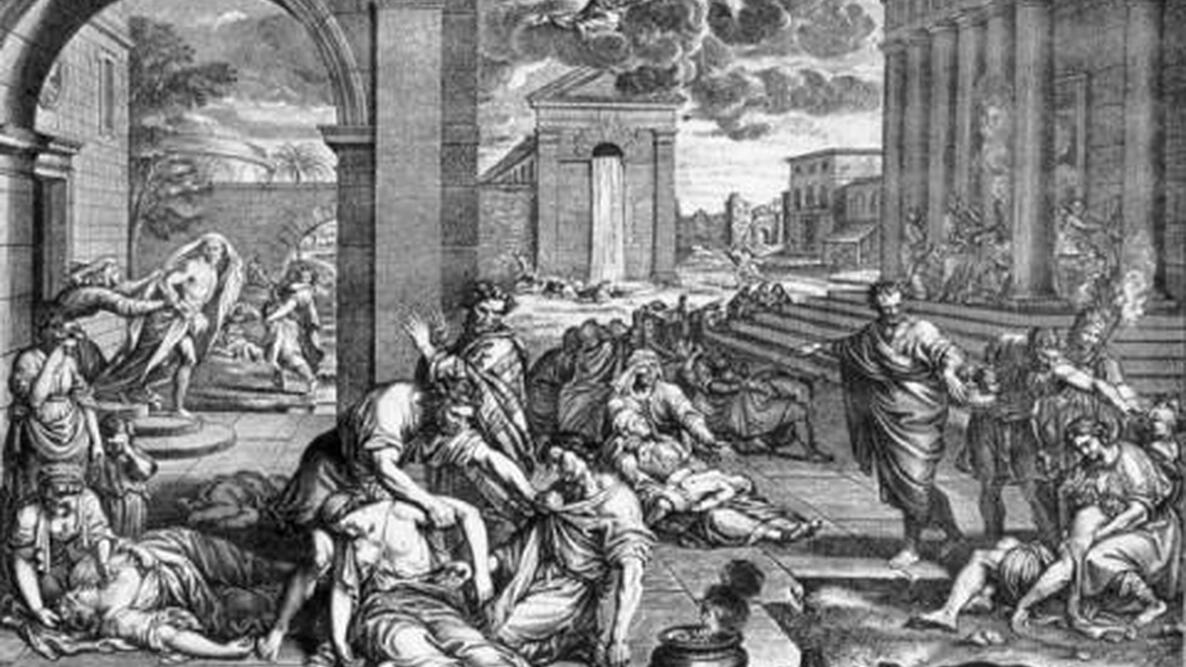
A.D. 541: Rain After Drought Brings the First Bubonic Plague Epidemic
The first recorded bubonic plague epidemic occurred around 541, killing nearly half the people in the Roman Empire and changing the balance of power around the world.
A cold period and severe drought in Africa in the 530s ended with flooding rains. The drought killed crops, along with most of the gerbils and mice, an event that then killed off the larger predators that normally would have eaten the rodents.
When the drought ended, the rain brought plant life back, which enabled rodents to replace their population. Because the larger predators took longer to grow back, the rodents were able to multiply, overrunning East Africa with mice and gerbils that were carriers of the plague.
Merchant ships brought these rodents to Europe, bringing an illness that would spread throughout the known world, laying waste to cities, and leaving so many corpses piled up that there were not enough people left to bury them.
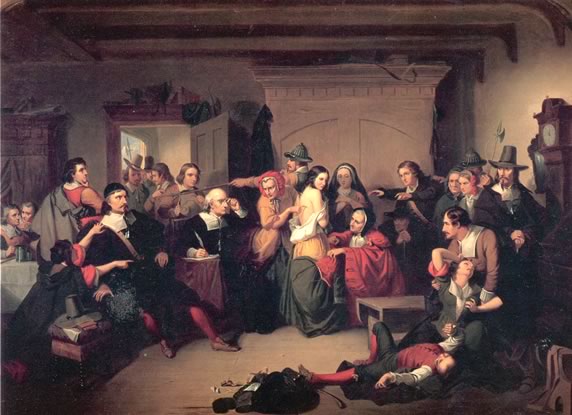
1692: The Little Ice Age and the Salem Witch Trials
The cold weather of the “Little Ice Age” may have led to the infamous Salem witch trials in 1692, as witches were thought capable of controlling the weather.
The cold weather brought crop failures, resulting in hardships, and witch hunts may have occurred because people sought scapegoats to blame. Some diaries and sermons dating from this period suggest that the unfavorable weather was the main cause for the prosecutions.
While Salem is the best-known “witch trial” city, there were also numerous witch trials in Europe during the 1680–1730 cold spell of the “Little Ice Age.”
1937: The Hindenburg Explosion Changes Air Travel Forever
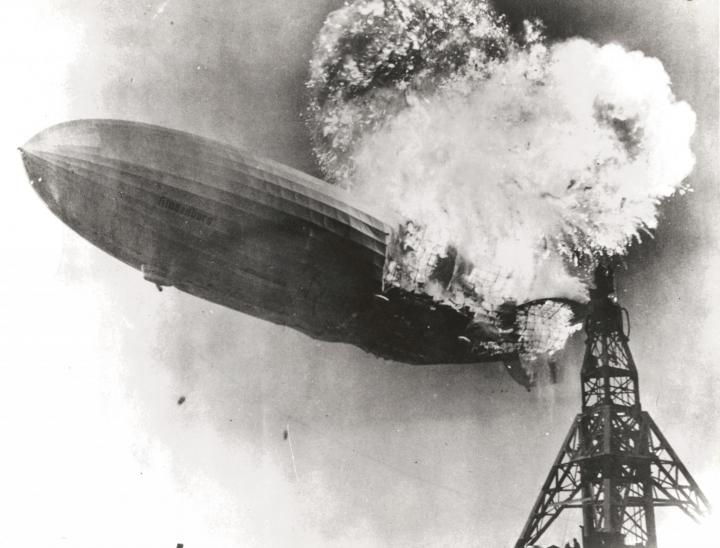
Back in the 1920s and ’30s, dirigibles looked like the air transportation of the future. Yet the era of the airship ended abruptly on May 6, 1937, when the Hindenburg burst into flames during a landing at Lakehurst, New Jersey.
The Hindenburg’s covering was made of a very flammable mixture, similar in composition to rocket fuel. On the day in question, the airship circled the Lakehurst airport for more than an hour, waiting for the weather to clear. This long period of moving through the rain clouds caused the dirigible’s skin to become negatively charged, and when the crew dropped the wet lines to dock, they acted as a ground, causing the Hindenburg’s coating to ignite, along with the highly flammable hydrogen used to keep it aloft. Within seconds, most of the ship was ablaze, and 34 seconds later, it was a burning mass on the ground.
Up until the Hindenburg’s dramatic explosion, many considered dirigibles to be the future of commercial air travel. Quieter, roomier, and more luxurious than airplanes, they nonetheless succumbed to the danger of their highly flammable fuel.
One other note is that hydrogen was used instead of safe helium because the United States had a monopoly on the world supply of helium and, fearful that other countries might use the gas for military purposes, had banned its export. If not for this ban, we might be flying in dirigibles today.
1789: Harsh Weather Helps Spark the French Revolution
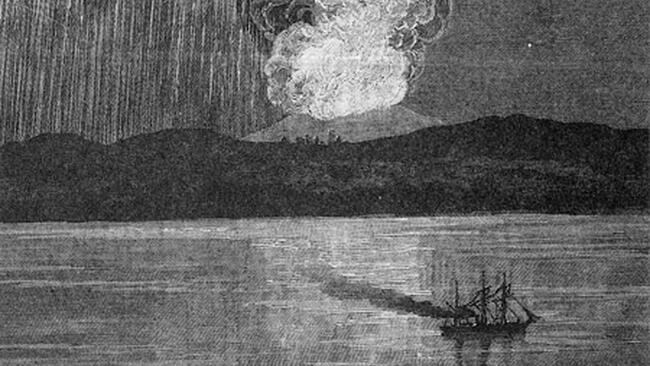
The “Little Ice Age” helped cause more than witch trials; it was a major contributor to the unrest that led to the French Revolution. The cold temperatures of the “Little Ice Age” combined with a 1783 Icelandic volcanic eruption and a major El Niño brought drought and crop failures to Europe. The French were already suffering from higher taxes that had been raised to support the American Revolution. A cycle of drought and then fierce hailstorms and flooding between 1787 and 1788 served as the final straw leading to the most historic “storm” of all, the storming of the Bastille.
1980: An Iranian Dust Storm Alters a U.S. Presidential Election
Those of us old enough to remember the Iranian Hostage Crisis of 1980 know that as it dragged on over months, it severely damaged President Jimmy Carter’s standing with voters in the upcoming presidential election. Since the 1979 Iranian revolution, Iran’s new supreme leader, Ayatollah Khomeini, had held 52 American embassy workers as hostages. On April 24, 1980, a daring helicopter rescue was attempted. Some of the fleet’s helicopters were quickly sidelined with mechanical problems, but the final straw was a severe dust storm, known as a haboob, that aborted the mission. Not only were the hostages still held, but eight servicemen were killed in the aborted mission, and the hostages were dispersed to multiple locations to prevent the possibility of a future rescue attempt.
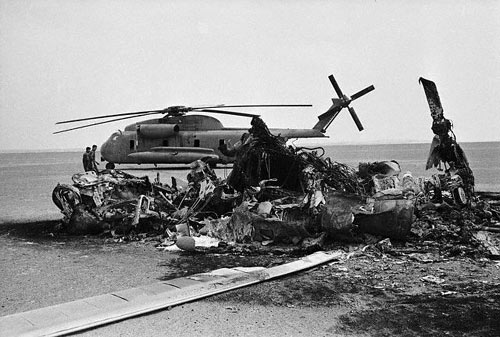
Khomeini condemned Jimmy Carter and, in a speech after the incident, credited God with throwing sand to protect Iran. Carter himself blamed his loss in the 1980 U.S. presidential election to Ronald Reagan mainly on his failure to win the release of U.S. hostages held captive in Iran.
These moments reflect major incidents that have occurred across the globe, all because of the weather. How has the weather affected your hometown’s history? Use our Weather History Tool to find out!
Explore other times when weather has shaped U.S. history. Also, find out about weather history highs and lows.

More Like This

Comments