Every year, meteor showers light up the night sky, leading some people to wonder: Could one of these space rocks hit Earth? The short answer is yes—but the odds of a devastating impact during our lifetime are extraordinarily small.
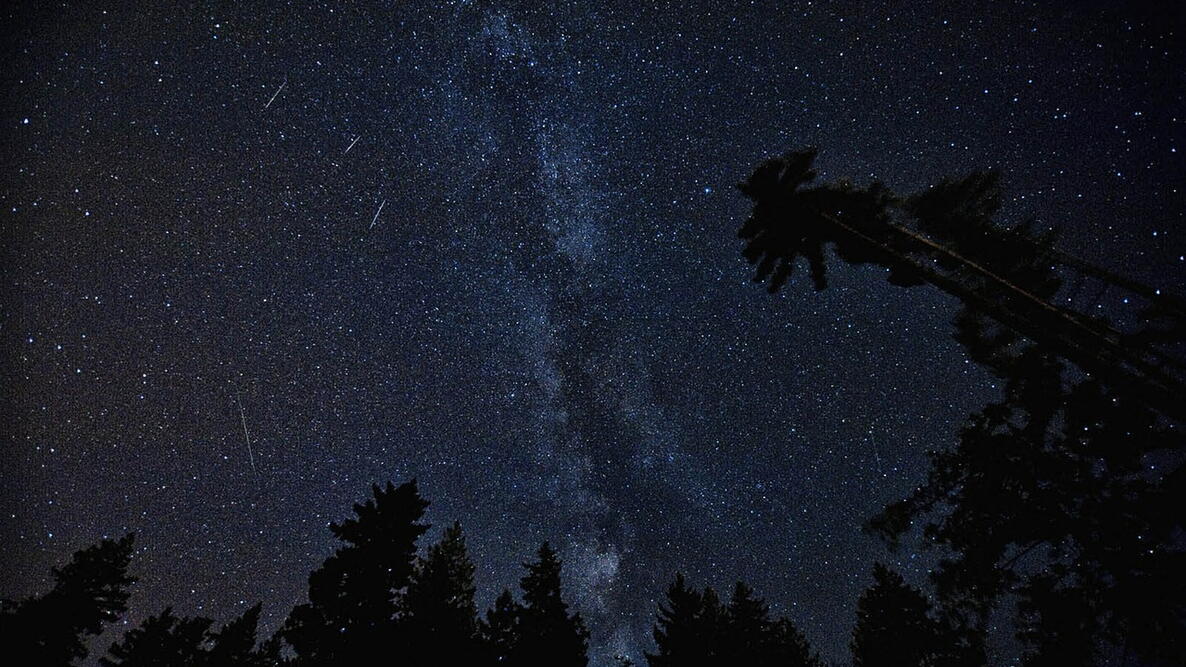
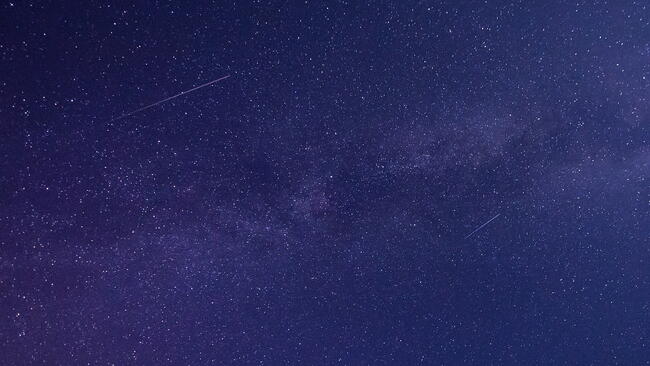
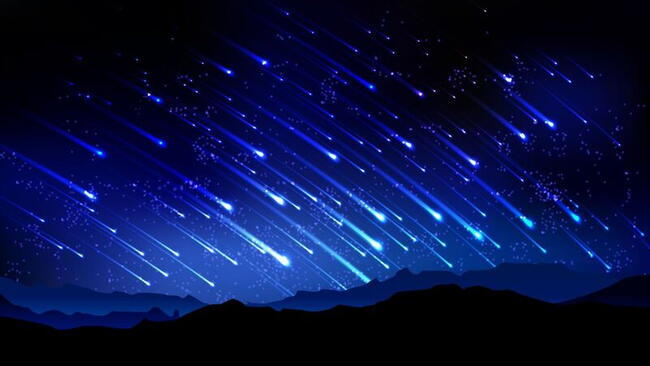
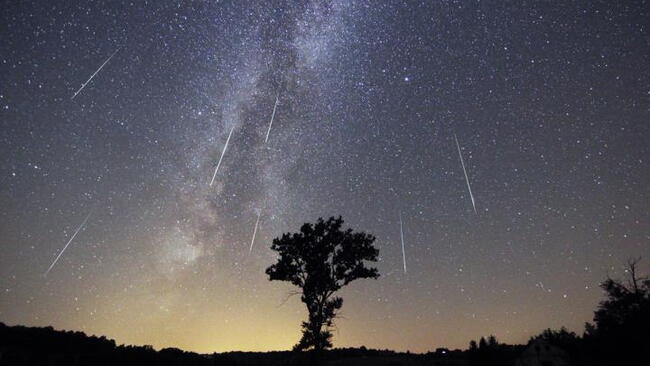
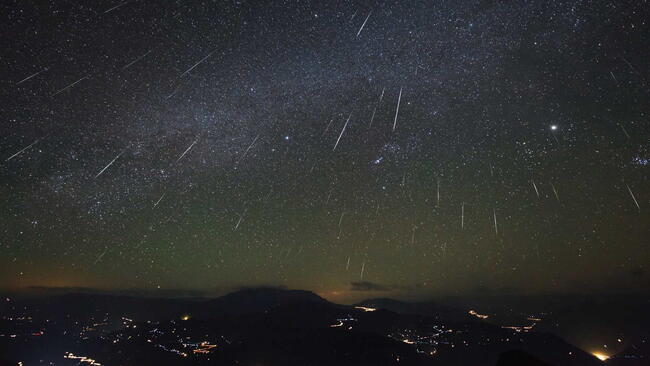
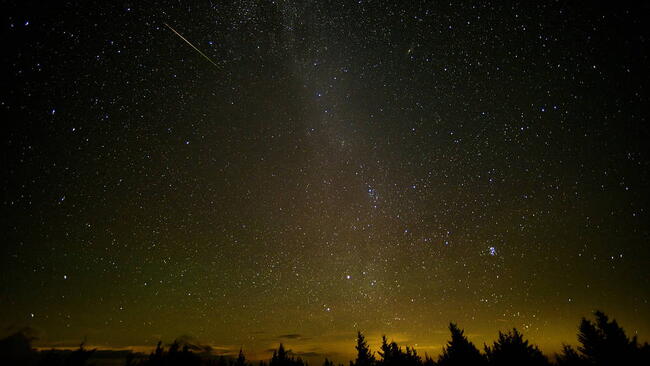
For reasons no one can explain, meteor showers are mostly crammed into the final 5 months of the year. The most famous is the Perseid shower, which peaks in August. These “falling stars” are mostly the size of apple seeds. But larger ones are out there too, and some people worry.
What Are the Chances of a Meteor Hitting Earth?
Small meteoroids enter Earth’s atmosphere every day, but most burn up before reaching the ground. Large impacts capable of causing global damage are extremely rare, occurring on average over tens of millions of years.
What About Nibiru and Other Collision Myths?
On the web, you can find scary discussions about objects that are supposedly on a collision course with our planet. The best known is probably the mythical planet Nibiru, which I get asked about on public radio call-in shows. I tell callers it doesn’t exist since any approaching new planet would change the positions of comets and such, which isn’t happening. However, since conspiracy websites say astronomers (like me) are in on the plot to keep it secret, I apparently can’t be trusted.
How Often Do Major Meteor Impacts Happen?
Instead, let me ease any fears with a simple question: What are the chances of a natural global cataclysm in our lifetimes?
Such mass destruction impacts happen every 90 million years on average. Earth suffered widespread damage 65 million, 200 million, 251 million, 364 million, and 439 million years ago. So during this next year, figure there’s only a one in 90 million chance. That’s twice as unlikely as you winning a pick-six lottery after buying a single ticket.
Want more reassurance? There are 31,500,000 seconds in a year. Say you’ll honk your horn only once during 2026, and wherever I am, day or night, I must snap my fingers during the exact second you honk. Not likely, right? Well, it’s three times more probable that I’ll choose the correct second than Earth will be clobbered by Nibiru or anything else.
Are Meteor Showers Dangerous?
While the chances of a major meteor impact are extraordinarily small, meteor showers remain one of the safest and most spectacular celestial events to enjoy. Grab a blanket, head to a dark sky location, and watch for shooting stars—you can appreciate the beauty of these cosmic visitors without worrying about the odds.
Look at our Meteor Shower Calendar to find out when a meteor will fly by Earth. Let us know below how you like the meteor showers!



Comments