
Planting, Growing, and Caring for Milkweed

Want to turn your backyard into a butterfly buffet? Milkweed is the VIP host plant that monarch butterflies can’t live without! With its pretty blooms and vital role in the monarch life cycle, this low-maintenance native wildflower deserves a place in every pollinator garden. In this guide, we’ll show you how to grow milkweed—from picking the perfect species to sowing seeds and caring for your plants all season long. Bonus? Bees love it too, so you’ll be the buzz of the block.
About Milkweed
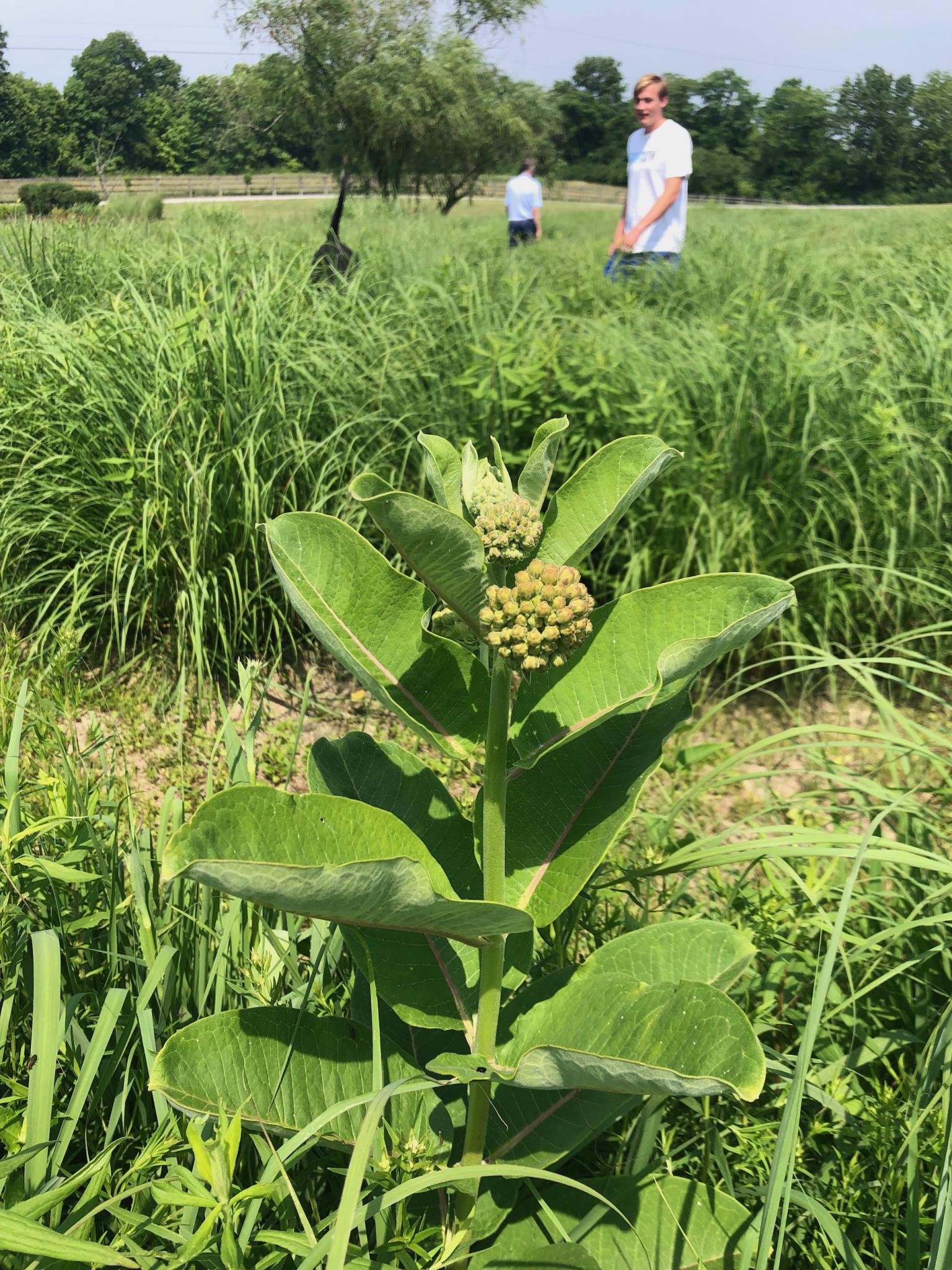
Several popular species are suited for cultivation in the garden. Common milkweed (Asclepias syriaca) is the best-known of the over 100 perennial milkweeds native to North America. Milkweed plants support 12 species of butterflies and moths, including the monarch butterfly.
The nectar in all milkweed flowers provides valuable food for butterflies, bees, and other pollinators. Butterflies need not only nectar but also food at the caterpillar stage. The leaves of milkweed plants are the only food monarch caterpillars can eat. Monarch butterflies also need the milkweed plant to lay their eggs on.
Read Next
Growing
How to Grow Milkweed
Do not worry if the plants take time to get going. They stay dormant longer than most plants but should start leafing out in late spring or early summer. Avoid watering during dormancy. If they don’t flower in the first season, their leaves still provide a food source for monarch babies.
- Common Milkweed and Butterfly Weed need little water and thrive in a drier environment. Swamp and Tropical Milkweed need to be watered but not overwatered
- Water plants if the soil is dry, but avoid overwatering (especially during early dormancy).
- The good news is that milkweed is otherwise left alone. Do NOT fertilize, spray, or prune.
Types
- Common milkweed (Asclepias syriaca) is a hardy perennial that will thrive almost anywhere in the United States, especially east of the Rockies and into Canada. It needs sun, reaches 2 to 6 feet tall with wide gray-green velvety leaves, and is an aggressive grower. Don’t plant this in your flowerbed or it will take over. It has a wide-spreading root system and needs an area all its own where it can really stretch out. It has pale purple-pink flowers that are very fragrant and attract many pollinators in addition to monarch butterflies.
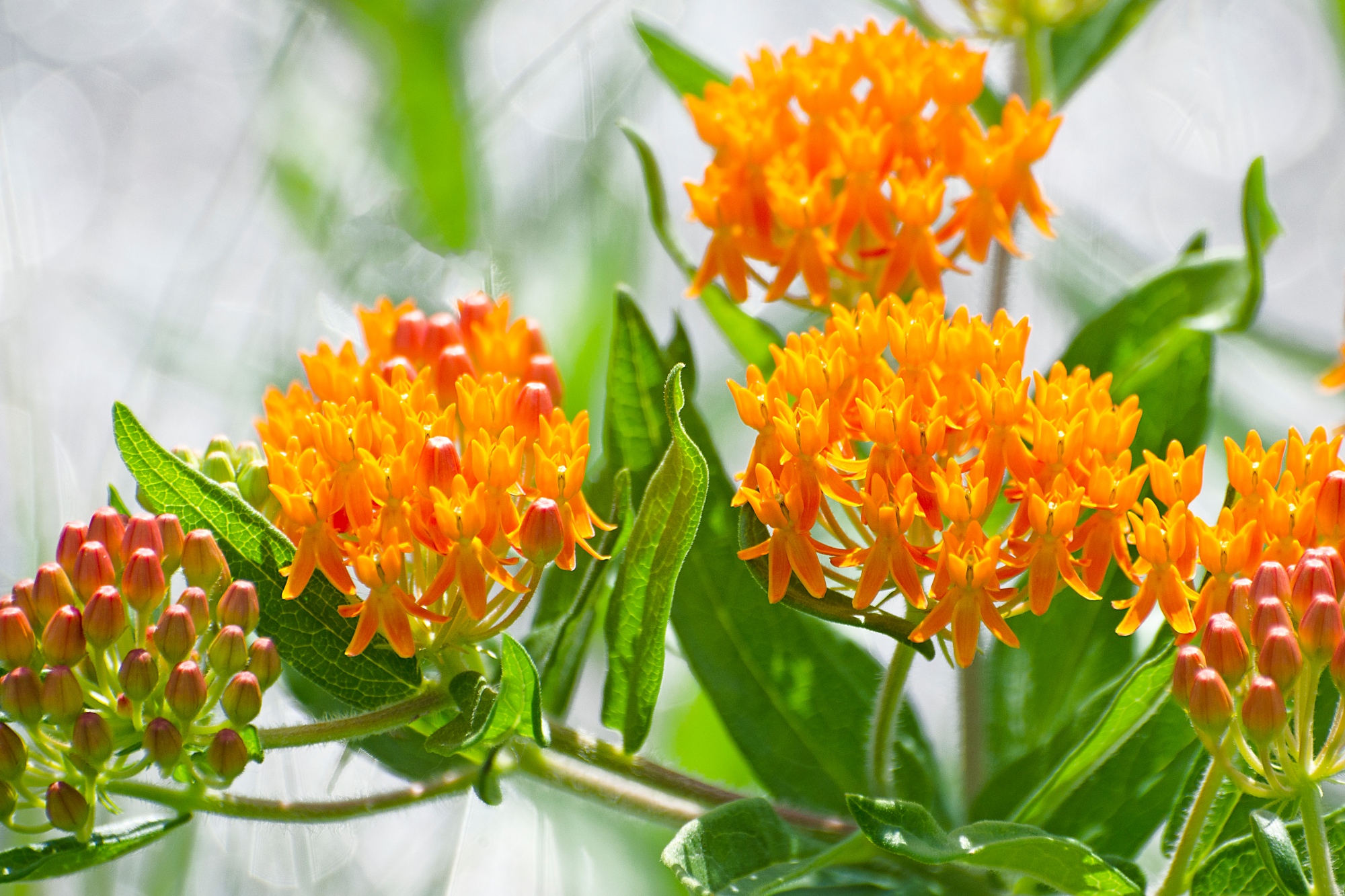
- Butterfly weed (A. tuberosa) is less aggressive than the common milkweed, growing only 1 to 2-1/2 feet tall. It is commonly grown in gardens, adapts well to moist or dry soil, and has very showy orange flowers. It likes full sun and is hardy in Zones 3 to 9.
- Swamp milkweed (A. incarnata) has thinner leaves and more colorful flowers than common milkweed. It is better-behaved than common milkweed, forming clumps rather than spreading out. It grows 2 to 4 feet tall, has deep rose-pink flowers, and is shade tolerant. It will grow in wet soil near lakesides or damp marshlands but also grows well in average garden soil and is hardy in Zones 3-9.
- Showy milkweed (A. speciosa) is native from west of the Mississippi into California and north to Canada. It has pastel pink flowers on 2- to 4-foot-tall plants. It is drought tolerant, making it a good plant for arid plains and prairie-lands, though it grows well in moist garden soils as well. It needs full sun and is hardy in Zones 3-9.
Gardening Products
Wit and Wisdom
- The genus name, Asclepias, commemorates Asklepios, the Greek god of medicine.
- Native Americans taught early European settlers how to cook milkweed so that it could be safely eaten.
- The milky white sap was applied topically to remove warts, and the roots were chewed to cure dysentery.
- Infusions of the roots and leaves were taken to suppress coughs and used to treat typhus fever and asthma.
- The stems’ tough, stringy fibers were twisted into strong twine and rope or woven into coarse fabric.
- Inside milkweed’s seed pods is fluffy white floss attached to brown seeds. The floss was used to stuff pillows, mattresses, and quilts and was carried as tinder to start fires.
- Milkweed is the state wildflower of Illinois.
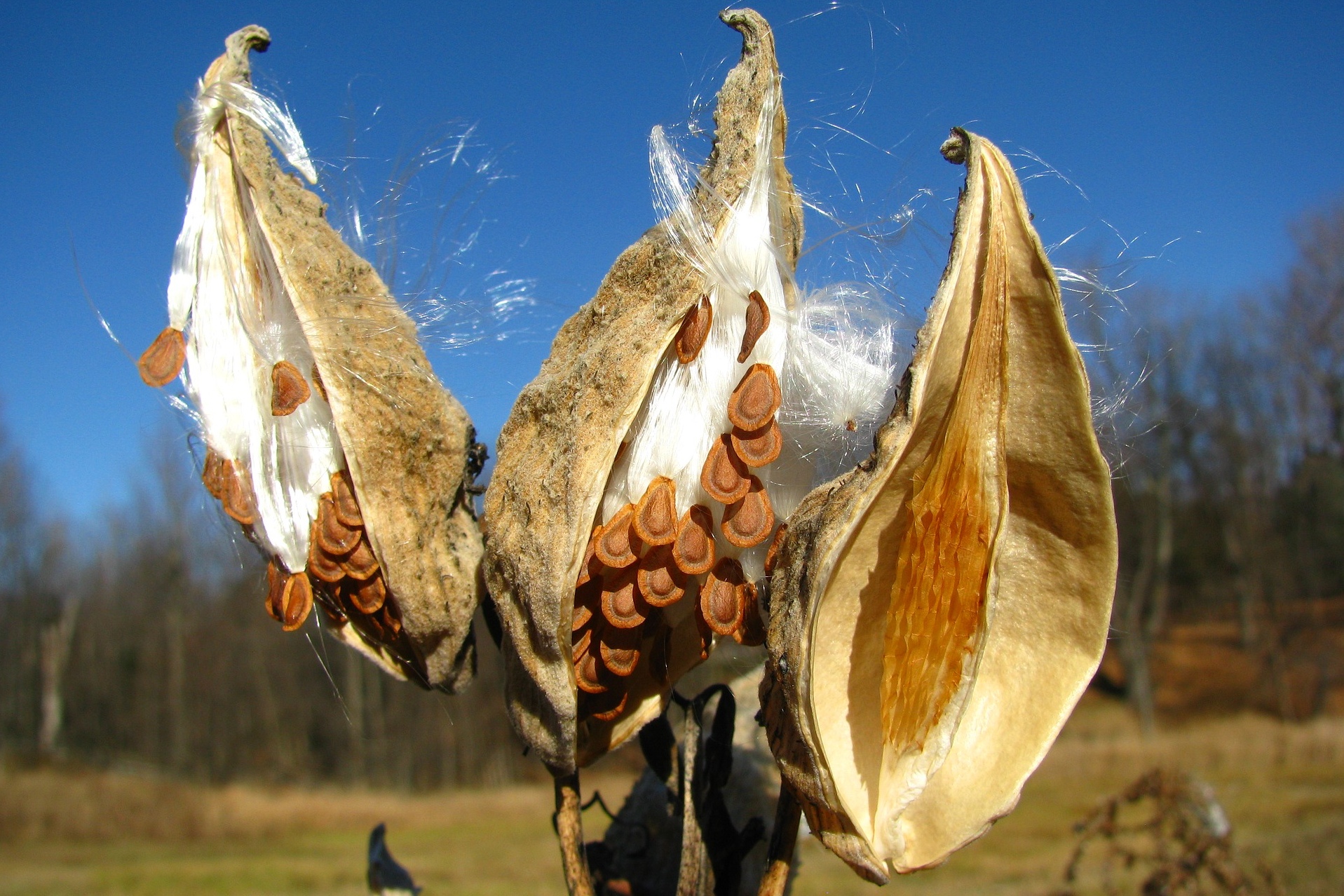
- During World War II, the regular material used to stuff life jackets was in short supply, so milkweed floss was used as a substitute—it is about six times more buoyant than cork.
- See more uses and natural remedies for milkweed.

More Like This



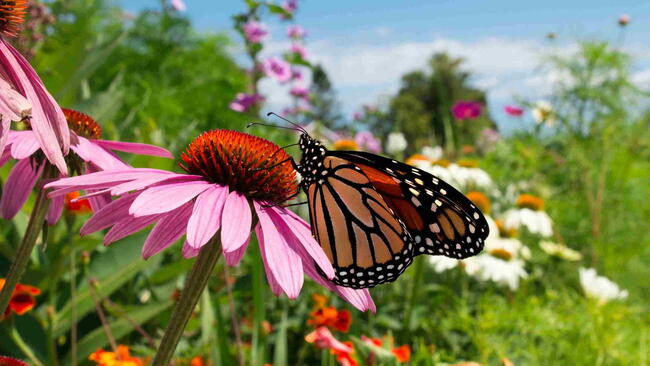


Monarchs may be found in eastern Oregon in the spring and summer, but it appears that they aren't as common in western Oregon. So, you may be just out of their natural range! The best thing you can do for your garden is to plant native plants (and native varieties) that are naturally found in your area. This will attract the wildlife you want!
- « Previous
- 1
- 2
- …
- 10
- Next »

Comments