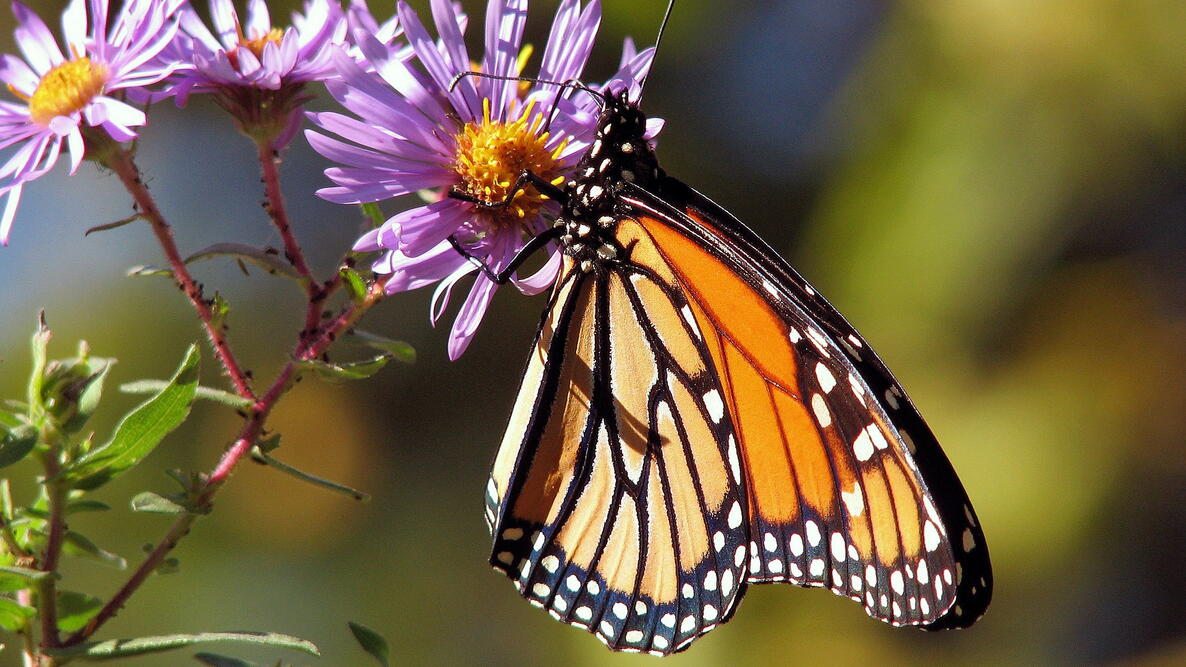
Caption
Butterflies are always looking for nectar, so if you can provide the tastiest meal, you can keep them around!

Butterflies and gardens possess a unique kind of magic. I’ve always been fascinated by how these delicate creatures flutter from flower to flower, like nature’s little flying jewels. As a French poet once said, “Butterflies are flying flowers, and flowers are tethered butterflies.” If you’ve ever wondered how to make a butterfly garden that truly thrives, you quickly realize it’s about much more than just pretty colors—it’s about creating a living habitat that supports them at every stage of life.
In This Article
Gardening for Butterflies
To truly attract butterflies, you need to garden for their entire life cycle—not just their winged phase. Adult butterflies sip nectar from flowers, but before they ever take flight, they’re caterpillars—tiny, hungry, and completely dependent on specific host plants.
Related: How to Make Hummingbird Nectar
Nectar may draw them in, but it’s the host plants that make them stay. Think of your garden as a nursery, not just a buffet. Native plants like milkweed, violets, and spicebush aren’t optional—they’re essential for raising the next generation.
That’s the emotional and ecological truth of butterfly gardening: it’s about supporting the babies—the next generation.

Benefits Of Having A Butterfly Garden
Butterfly gardens aren’t just pretty—they’re powerful. Most butterflies need specific native plants to survive. Monarchs rely on milkweed; other species need violets, spicebush, or goldenrod. Without these plants, butterflies can’t lay eggs or feed their young. Native flowers also give adult butterflies the nectar they need to fly, mate, and migrate.
As Doug Tallamy says, “Garden as if life depends on it”—because it does. By planting native plants, you’re helping butterflies, birds, and entire ecosystems thrive. Even a small garden can make a big difference.
“Garden as if life depends on it.” –Doug Tallamy
Explore more of Tallamy’s work at Homegrown National Park.
How to Make a Butterfly Garden
Plan
Whether you have a whole field or just a sunny balcony, here’s how to make a butterfly garden that welcomes life in all its stages:
- Size doesn’t matter: Butterflies will visit container gardens, hanging pots, and window boxes. Every native plant helps.
- Choose a sunny spot: Butterflies bask to warm up, especially in the morning. Sunlight fuels their flight and feeding.
- Offer diverse nectar sources: Butterflies prefer open, tube-shaped flowers. Native blooms like coneflowers and asters are ideal.
- Include host plants for caterpillars: Most butterflies lay eggs only on specific native plants—like milkweed, clover, goldenrod, and violets.
- Provide water and minerals: Butterflies “puddle” after rain to drink and absorb nutrients. A shallow dish or damp patch works wonders.
Location and Shelter
Butterflies use the sun to maintain their body temperature, so place your butterfly garden in the sunniest location possible. This helps them energize before flight, especially in the morning.
Placing flat stones in your garden gives them perfect sunbathing areas. And don’t forget water—a shallow birdbath or damp soil helps them hydrate and “puddle,” gathering minerals from wet earth.
I once watched a group of swallowtails flutter around a puddle after a rain, dipping their legs in the moist soil to soak up nutrients. It reminded me how important small details are for these tiny travelers.
Host Plants
All butterflies start out as caterpillars that require host plants on which to feed. Many of these are native plants—“weeds” and wildflowers that may already be growing on or near your property. Some butterfly-benefitting choices include clovers, milkweeds, goldenrod, and violets.
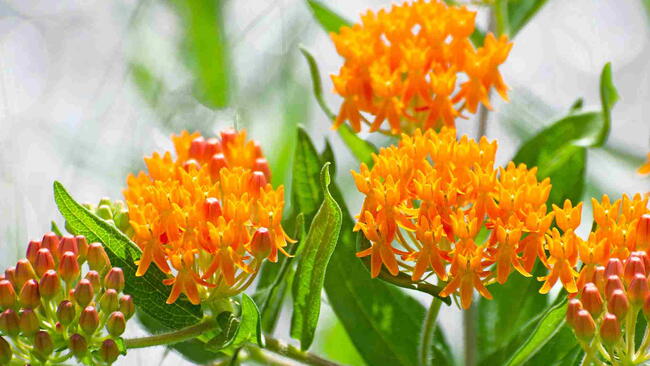
Take monarch butterflies, for example. These iconic butterflies lay their eggs only on milkweed. Without milkweed, monarch caterpillars have no food, and the butterflies won’t stick around.
Monarchs aren’t the only butterflies with picky tastes. Different species depend on different host plants to raise their young:
- Eastern Black Swallowtails lay eggs on parsley, dill, and fennel.
- Spicebush Swallowtails rely on spicebush (Lindera benzoin).
- Red-Spotted Purples use wild cherry (Prunus serotina), birch, and willow.
- Zebra Swallowtails need pawpaw trees (Asimina triloba).
- Baltimore Checkerspots favor turtlehead plants (Chelone glabra).
- Silver-spotted Skippers grow up on locust trees (Robinia pseudoacacia).
Including these plants isn’t just helpful—it’s essential if you want a true butterfly sanctuary.
Nectar Plants and Water Sources
While host plants support caterpillars, adult butterflies need nectar-rich blooms throughout the seasons. Native plants like Joe-Pye weed, coneflowers, goldenrod, and asters offer bright colors, abundant nectar, and a place to rest and feed.
Below is a list of nectar flowers butterflies prefer, along with their favorite host plants. A diverse mix ensures nectar is available from spring through fall and supports a wide range of species.
| Common Name | Latin Name | Role |
|---|---|---|
| Milkweed | Asclepias tuberosa | Monarch host & nectar plant |
| Dill | Anethum graveolens | Eastern Black Swallowtail host |
| Parsley | Petroselinum crispum | Eastern Black Swallowtail host |
| Fennel | Foeniculum vulgare | Eastern Black Swallowtail host |
| Spicebush | Lindera benzoin | Spicebush Swallowtail host |
| Wild Cherry | Prunus serotina | Red-Spotted Purple host |
| Birch | Betula spp. | Red-Spotted Purple host |
| Willow | Salix spp. | Red-Spotted Purple host |
| Pawpaw | Asimina triloba | Zebra Swallowtail host |
| Turtlehead | Chelone glabra | Baltimore Checkerspot host |
| Locust | Robinia pseudoacacia | Silver-spotted Skipper host |
| Joe-Pye Weed | Eupatorium purpureum | Nectar plant |
| Coneflower | Echinacea purpurea | Nectar plant |
| Goldenrod | Solidago spp. | Nectar plant |
| Aster | Symphyotrichum spp. | Nectar plant |
| Butterfly Weed | Asclepias tuberosa | Nectar & host for Monarch |
| Bee balm | Monarda spp. | Nectar plant |
| Black Cherry | Prunus serotina | Host plant |
| Blue Wild Indigo | Baptisia australis | Nectar plant |
| Blueberry bushes | Vaccinium spp. | Nectar plant |
| Buttonbush | Cephalanthus occidentalis | Nectar plant |
| Catmint | Nepeta spp. | Nectar plant |
| Cornflower | Centaurea cyanus | Nectar plant |
| Daylily | Hemerocallis spp. | Nectar plant |
| Fleabane | Erigeron spp. | Nectar plant |
| Lavender | Lavandula spp. | Nectar plant |
| Lilac | Syringa spp. | Nectar plant |
| Lupine | Lupinus spp. | Nectar plant |
| Mallow | Malva spp. | Nectar plant |
| Mint | Mentha spp. | Nectar plant |
| Ninebark | Physocarpus opulifolius | Nectar plant |
| Northern Spicebush | Lindera benzoin | Host plant |
| Phlox | Phlox spp. | Nectar plant |
| Pipevine | Aristolochia macrophylla | Host plant for Pipevine Swallowtail |
| Privet | Ligustrum spp. | Nectar plant |
| Purple Coneflower | Echinacea purpurea | Nectar plant |
| Sage | Salvia spp. | Nectar plant |
| Sea Holly | Eryngium spp. | Nectar plant |
| Senna (American) | Senna hebacarpa | Nectar plant |
| Senna (Maryland) | Senna marilandica | Nectar plant |
| Shasta Daisy | Chrysanthemum spp. | Nectar plant |
| Snapdragon | Antirrhinum spp. | Nectar plant |
| Stonecrop | Sedum spp. | Nectar plant |
| Sweet Alyssum | Lobularia maritima | Nectar plant |
| Sweet Rocket | Hesperis spp. | Nectar plant |
| Tickseed | Coreopsis spp. | Nectar plant |
| Tuliptree | Liriodendron tulipifera | Nectar plant |
| Trumpet Vine | Campsis radicans | Nectar plant |
| Zinnia | Zinnia spp. | Nectar plant |

Which Nectar Flowers Do Butterflies Prefer?
Most butterflies will visit a wide range of blooms, but some have strong preferences:
- Monarchs: Zinnias, Joe-Pye weed, goldenrod
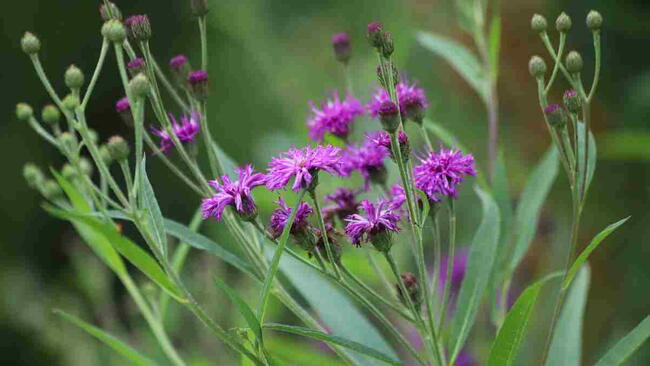
- Eastern Tiger Swallowtails: Phlox, ironweed, lilacs, bee balm
- Painted Ladies: Thistles, cosmos, sunflowers
- Red Admirals: Asters, milkweed, overripe fruit
- Gulf Fritillaries: Passionflower, lantana, verbena, zinnias
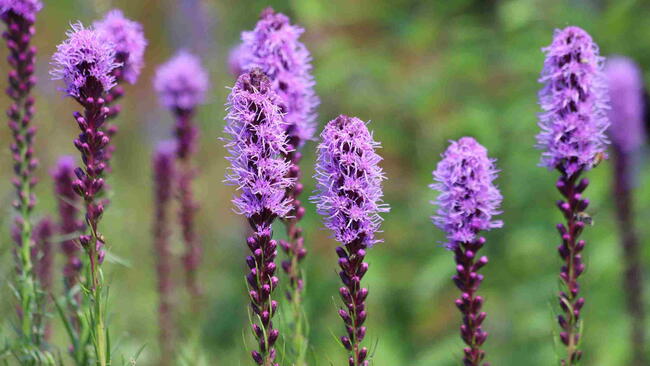
- Skippers: Mint, clover, blazing star (Liatris)
A diverse mix of flowering plants ensures nectar is available from spring through fall and supports a wide range of butterfly species.
Maintenance and Overwintering
Butterflies need shelter, just as much as nectar—especially through fall and winter. Maintenance isn’t just about tidiness; it’s about protecting the next generation.
- Skip the fall cleanup: Leave dried stems, seed heads, and leaf litter in place. Many butterflies overwinter as chrysalises or pupae tucked into these materials. If this seems too messy for you, leave a nice patch or corner!
- Don’t disturb the soil: Some species overwinter underground as caterpillars or eggs. Avoid digging or heavy mulching in late fall and early spring.
- Leave native plants standing: Goldenrod, asters, and grasses provide winter shelter and spring food for emerging pollinators. Water during dry spells: Even in cooler months, occasional watering helps keep roots and overwintering insects healthy.
- Wait to tidy until spring: Hold off on cutting back plants until temperatures consistently reach 50°F—when butterflies and bees begin to stir.
5 Mistakes to Avoid
Even well-intentioned gardeners can accidentally disrupt butterfly habitat. Here are common missteps to watch for:
- Using pesticides or herbicides: Broad-spectrum chemicals harm butterflies at every life stage—from egg to adult. Avoid spraying your yard, even for weeds or general pests.
- Skipping host plants: Nectar flowers alone aren’t enough. Butterflies need specific native plants to lay eggs and feed caterpillars—like milkweed for monarchs or violets for fritillaries.
- Planting only one bloom time: Butterflies need nectar throughout the season. A garden with only spring or early summer flowers leaves them hungry later on.
- Over-tidying in fall and spring: Removing leaf litter, stems, or dead growth too early destroys overwintering sites for chrysalises and pupae. https://extension.psu.edu/gardening-for-butterflies
- Ignoring sun exposure: Butterflies rely on warmth to fly and feed. Shady gardens won’t attract them, no matter how many flowers you plant.
A Butterfly Garden Seasonal Checklist
Caring for your butterfly garden year-round doesn’t end with planting—it’s a year-round commitment to habitat. From fall leaf litter to spring emergence, each season offers a chance to support butterflies through every life stage. Whether you’re working with containers or a full yard, these simple maintenance tips help protect caterpillars, chrysalises, and pollinators across North America.
| Season | What to Do |
|---|---|
| Fall | • Leave dried stems, seed heads, and leaf litter intact—many butterflies overwinter in these materials. • Avoid digging or disturbing soil—some caterpillars and eggs rest underground until spring. • Let native plants stand—goldenrod, asters, and grasses offer shelter and food. • Keep a shallow dish or damp patch for puddling to help butterflies hydrate and absorb minerals. |
| Winter | • Resist the urge to tidy—hidden insects are still dormant and vulnerable. • Water occasionally during dry spells to support root health and overwintering insects. • Add logs or brush piles to create shelter from wind and predators. |
| Spring | • Wait until temperatures reach 50°F before cleanup—this allows insects time to safely emerge. • Cut back dead growth gently—watch for chrysalises and early pollinators. • Replant nectar and host plants to support the next generation of butterflies. |
| Summer | • Watch for butterflies laying eggs—note which plants they prefer and avoid disturbing those areas. • Deadhead spent blooms to encourage more nectar-rich flowers (unless you’re saving seeds). • Water deeply during dry spells—nectar and host plants need consistent moisture. • Skip pesticides and herbicides—they harm caterpillars, eggs, and adult butterflies. • Document what’s working—track which native plants attract the most butterflies for next year’s planning. |
Frequently Asked Questions
Q: What’s the difference between a host plant and a nectar plant?
A: Host plants are where butterflies lay eggs and caterpillars feed. Nectar plants provide food for adult butterflies. Both are needed for a healthy butterfly garden.
Q: Can I plant non-native flowers to attract butterflies?
A: Some non-native flowers provide nectar, but native plants are generally better because local butterflies have evolved to depend on them, especially as host plants.
Q: How can I tell if a plant is a host plant?
A: Host plants are often species-specific. Research the butterfly species common to your region and find their known host plants (like milkweed for monarchs).
Q: Is the butterfly bush a good choice?
A: Butterfly bush is great for nectar, but it is invasive in many areas and does not serve as a host plant. Consider native alternatives.
Butterflies bring color and movement to your garden landscape while aiding in the pollination of flowers, fruit, and vegetable plants. But urbanization is increasingly shrinking butterflies’ natural habitats, leaving these important pollinators with fewer places to feed, mate, and lay eggs. Want to help change that? Build a butterfly garden!

More Like This

Comments