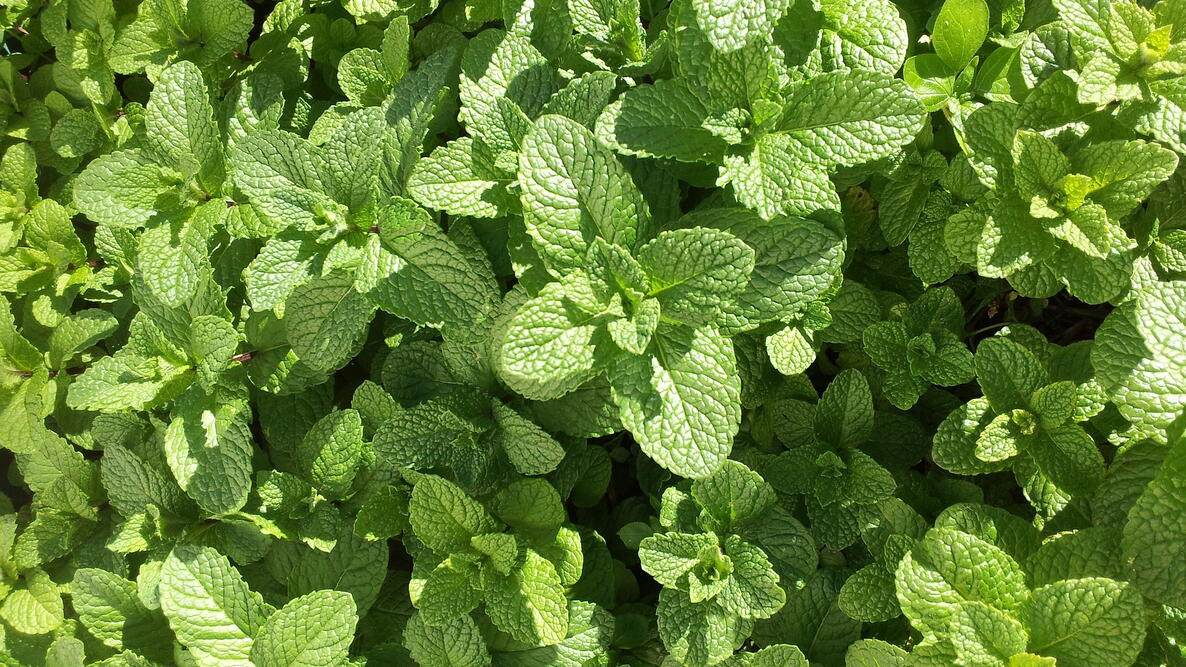

Wondering what to do with all those extra mint leaves? Fresh mint is one of the most versatile herbs you can grow. From cooking and homemade tea to natural bug repellents and beauty treatments, these 12 uses for mint leaves will help you make the most of every harvest.
Meet the Mint Family
Did you know that the mint family, Lamiaceae, is the sixth- or seventh-largest of the flowering plant families?
- The most common and popular mints for growing are peppermint (Mentha x piperita), native spearmint (M. spicata), Scotch spearmint (M. x gracilis), and corn mint (M. arvensis); also (more recently) apple mint (M. suaveolens).
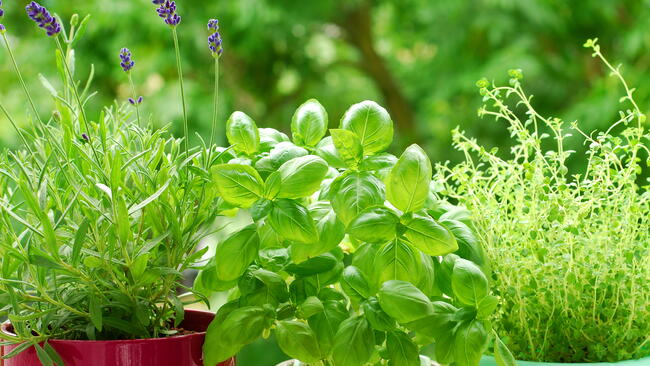
- Many of our common culinary herbs (e.g., basil, marjoram, oregano, rosemary, sage, thyme, and summer and winter savories) are members of the mint family.
- Mints include dozens (perhaps hundreds) of traditional medicinal herbs, not to mention many aromatics used in flavorings, perfumes, and cosmetics.
- You’ll also find mints among the favorite landscaping plants. Think of Agastache, bee balms, hyssops, lavenders, Russian sages, and salvias. All summer, they produce nectar-rich blossoms, which attract bees and beneficial pollinators, along with an occasional hummingbird.
A favorite in my summer herb garden is the bright red bee balm, which seeds itself all over the place, makes a great cut flower, and makes a tasty tea to boot.
Many, if not most, mint family members contain strongly aromatic oils (think basil, lavender, rosemary, sage, and thyme), which account for their many uses as seasoning, flavoring, and perfuming agents.
12 Uses for Mint Leaves
There are many safe uses for mint-family herbs besides beautifying your gardens. Here is just a sampling:
1. Add Fresh Mint to Salads and Vegetables
Peppermints are especially good culinary mints, ideal for chopping into salads, sprinkling over fruits, or combining with basil or cilantro to make mint pesto. We like to add a couple of tablespoons of fresh chopped mint to peas, green beans, carrots, cauliflower, or zucchini to create minted vegetables!
2. Make Refreshing Mint Drinks
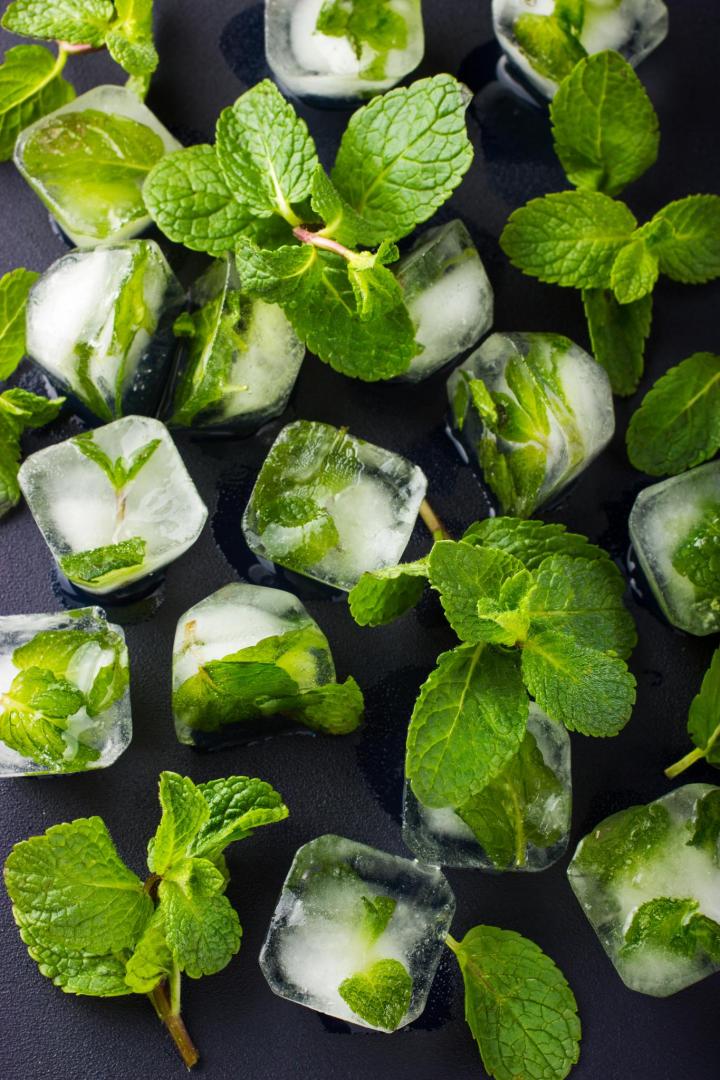
Freeze a few trays of strong mint tea, then use the ice cubes to cool your summer drinks! Add mint leaves or cubes to mojitos, iced tea, or fresh lemonade.
3. Brew Homemade Mint Tea
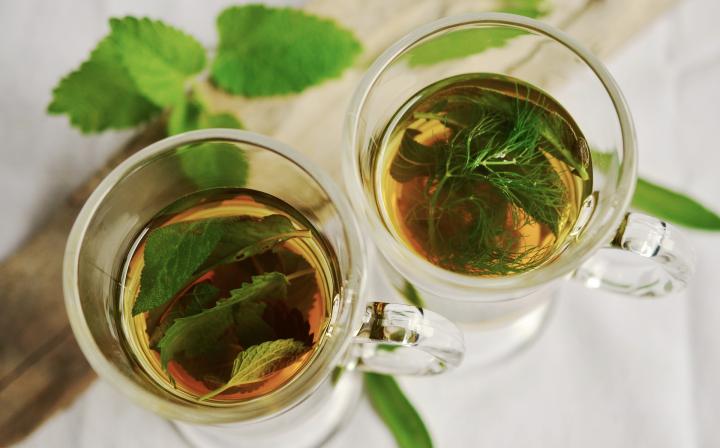
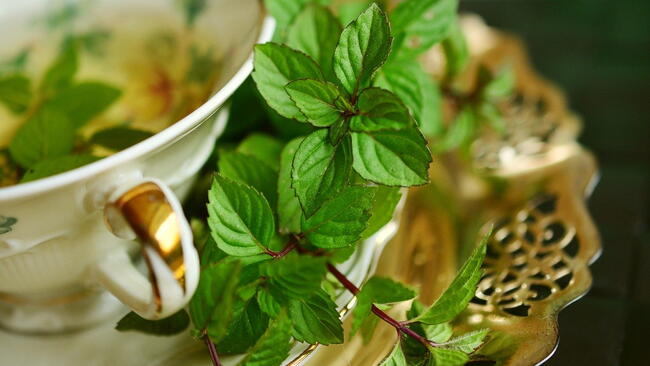
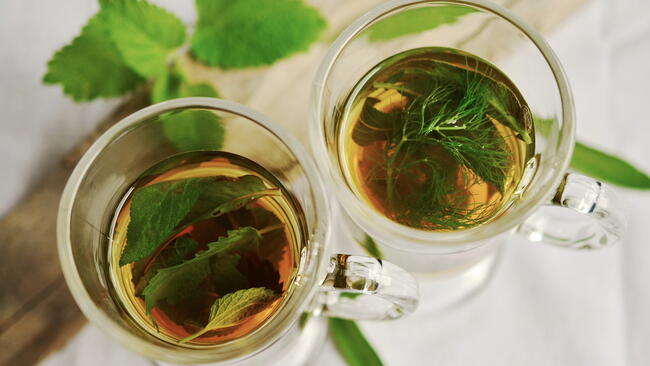
Why buy mint tea when it’s so easy to make? What we usually call the “mints” (apple mint, peppermint, spearmint, etc.) are traditional tea herbs. Just steep your fresh mint leaves in boiling water for about 5 minutes and serve. It’s a great digestive aid after dinner. Apple mint is one of my favorites, with more flavor and less aftertaste.
4. Make a Natural Mint Hair Rinse
Add strong mint (especially rosemary) tea to one part cider vinegar for a conditioning rinse, which you can leave in or rinse out. The vinegary smell dissipates after drying.
5. Create a DIY Mint Facial Toner
Add a few finely minced leaves of fresh peppermint or other mints to a cup of witch hazel. Store in a glass jar for a week or more, shaking occasionally. Strain the herbs from the mixture after a week.
6. Make Homemade Mint Mouthwash
Chop a quarter cup of fresh mint, basil, bee balm, lemon balm, oregano, or thyme leaves and infuse them in a quart of boiling water. When cool, strain the herbs and store them in the refrigerator.
7. Relax With a Refreshing Mint Bath
Steep a handful of mint leaves in a pint of hot water for about 10 minutes, then strain. Add to bathwater for an invigorating, stress-free soak.
8. Soothe Sunburn With Mint
Make a strong peppermint tea and refrigerate the mixture for several hours. To use, gently apply to the burned area with cotton pads.
9. Freshen Your Breath With Mint Leaves
Just chew on a few mint leaves! Sage teas and extracts have been used for centuries as a mouthwash for oral infections. Don’t chew mint-family herbs if breastfeeding, as even small amounts of sage and peppermint may reduce milk supply.
10. Naturally Freshen Your Home
Keep your home smelling fresh by adding a few drops of mint essential oil to your favorite unscented cleaner.
11. Repel Moths With Mint Sachets
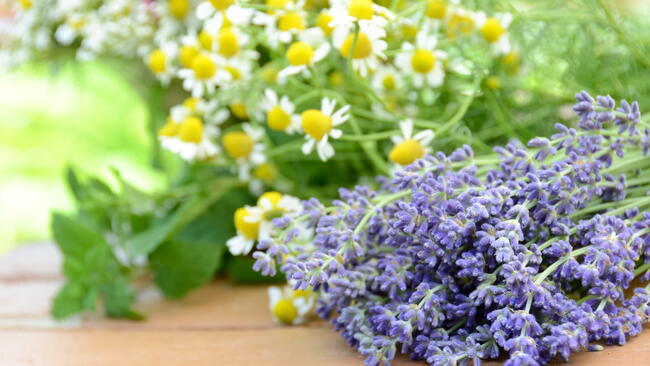
Tie together a few branches of a strongly scented mint (such as bee balm, lavender, peppermint, rosemary, or sage), or pull off a handful of leaves, and stuff them into the leg of an old nylon stocking. Suspend by a string inside a garment bag, tuck into bags of stored woolen clothing, or just place in your drawers to let your clothes soak up the scent. Refresh periodically to keep the scent fresh.
12. Use Mint as a Natural Bug Repellent
When ants come into the kitchen during the summer, placing a few stems of mint, gently crushed, near suspected entry points really does deter ants. You need to replace the mint with fresh material every few days. Also, help keep pets flea-free by stuffing a small pillow with fresh spearmint and thyme and placing it near your pet’s bed. You could try these other natural bug repellents too.
Of course, mint isn’t only used to deter bugs; it also attracts beneficial insects. Bees, butterflies, and hoverflies love flowering mint, which is rich in nectar and pollen, and this benefits pollinated plants and crops.
Credit: Anna Shepulova | Shutterstock
Potential Health Benefits of Mint
Mint has long been known as an herbal remedy, easing queasy stomachs, calming stress and anxiety, and promoting restful sleep.
Peppermint tea has been known to ease an upset stomach, calm the digestive tract, and alleviate indigestion, gas, and cramps.
Mint has also been used for centuries in traditional medicine, veterinary medicine, as insecticides or insect repellents, and as antifungal or antibacterial protection for crop plants.
Mints are potent plants, full of phytocompounds that plants manufacture to protect themselves against harmful bacteria, viruses, and other assaults from the environments they evolved in.
Interestingly, there are studies that show spearmint is even beneficial to honeybees, driving out the mites that infect their hives.
But Use With Caution
If herbal medicine interests you, please approach the mints—especially their essential oils, concentrated extracts, and tinctures—with care. This goes for both over-the-counter and homemade remedies.
While mint has a long history in traditional herbal medicine, research is ongoing. It should not replace medical treatment, and concentrated mint products or essential oils should only be used with appropriate guidance.
Frequently Asked Questions
What can I do with fresh mint leaves?
Fresh mint can be used in teas, salads, pestos, desserts, drinks, homemade beauty products, bug repellents, and natural cleaning solutions.
Which mint is best for tea?
Peppermint is the most popular choice because of its strong flavor and digestive benefits, while spearmint offers a sweeter, milder taste.
Can you freeze fresh mint?
Yes. Freeze whole leaves, chopped mint, or mint-infused ice cubes to preserve flavor for several months.
Does mint keep bugs away?
Fresh mint may help deter ants and some insects when placed near entry points, while mint essential oils are commonly used in natural insect repellents.
Is mint easy to grow?
Yes. Mint is one of the easiest herbs to grow, but it spreads aggressively, so many gardeners grow it in containers.
Growing Mint
Mint is one of the easiest herbs to grow, but some varieties—especially spearmint—spread aggressively through underground runners. To keep it under control, many gardeners grow mint in containers or dedicate a separate bed for it. Peppermint is generally less invasive than spearmint and rarely self-seeds. For the best results, grow mint from cuttings, divisions, or transplants rather than seed. Learn more in our complete Mint Growing Guide.

More Like This



Hi Alyce, Best to grow mints from cuttings, roots, or transplants. Mint seed does not come true to type. What you are seeing is the same "mother" mint plant. Its roots, properly called rhizomes, run underground and can send up shoots many feet away from the mother plant. If you dug it up, what you'd see is a thick mat of thick, tangled roots. This is why Mint can be invasive. It's worth growing mint for SO many reasons: Mint tea, dried mint in the path, mint pesto, need we go on? But you need to contain it if you don't want it to spread. Plant it in a container, or in a bottomless container sunk into the ground. You need to corral those roots, basically. Don’t be afraid clip it back when it starts to look rangy. It will pop right back up!
- « Previous
- 1
- 2
- …
- 10
- Next »

Comments