Trying to get more whole grains in your diet? The surest way to know that you’re eating a whole grain is to cook a dish containing the unadulterated whole grain yourself: an entrée made with brown rice, a side of hulled barley, a bowl of oatmeal, or bread baked with whole-grain flour.
There’s a lot of confusion, though, about what constitutes a whole grain. Is bulgur a whole grain? What about farro, cracked wheat, couscous, or rolled oats? The Old Farmer’s Almanac is here to help by taking the guesswork out of identifying the different types of whole grains.
What Is a Whole Grain?
A whole grain contains all three parts of the grain kernel: the bran, germ, and endosperm. The bran is the outer layer, the germ is the part that can grow into a new plant, and the endosperm is the starchy interior.
When grains are refined, the bran and germ are removed or reduced, leaving mostly the starchy endosperm. Whole grains, on the other hand, retain all three parts of the kernel.
Whole grains can appear in many forms. They can be cooked and eaten whole, cracked or ground into meal or flour, or rolled and flaked. The important distinction is whether the bran, germ, and endosperm remain.
The Wholly Grail of Whole Grains
True Grits
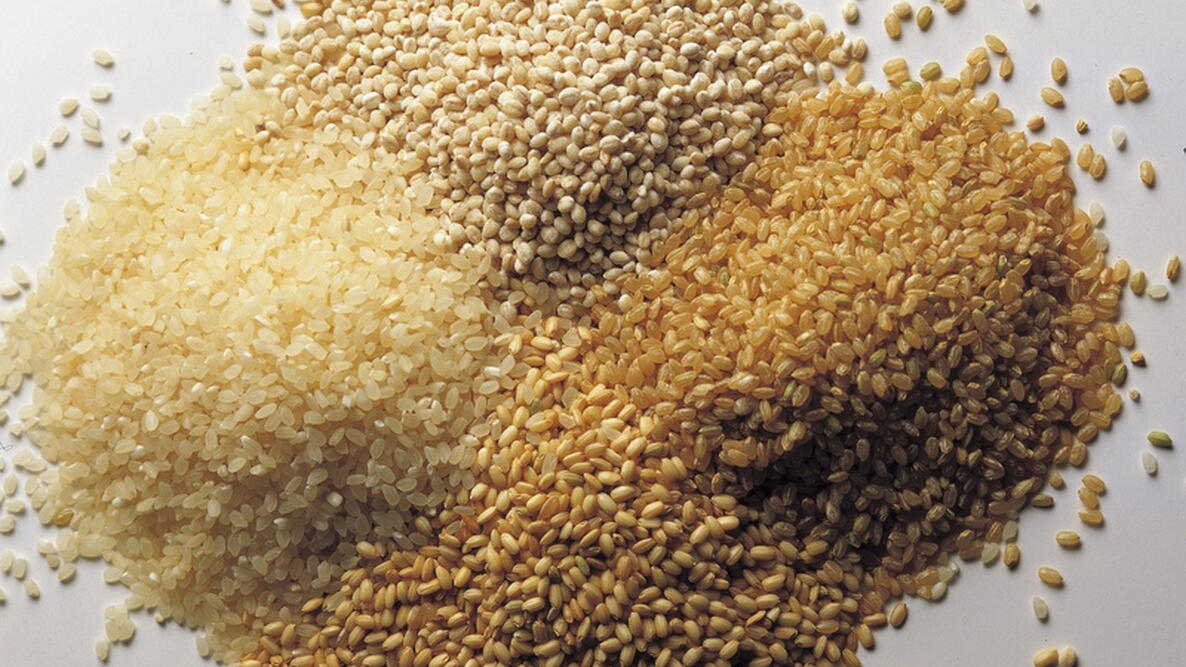
Berries (wheat, rye), groats (oats, buckwheat), and kernels (corn) are all terms for grains in whole-seed form, with the inedible hull removed.
Grits are any coarsely ground whole or refined grain. Cracked wheat and polenta are examples of grits or coarsely ground grains, although whether they are whole grain depends on the grain used and how it was processed.
Meals and flours are grains that have been ground; meal is generally considered the coarser one. A whole-grain meal or flour contains the bran, germ, and endosperm. “Refined” or “degerminated” means that part or all of the bran and germ have been removed.
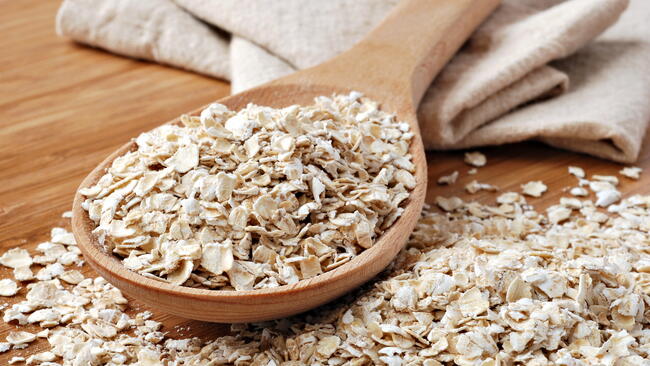
Rolled or flaked grains are whole grains that have been steamed, rolled flat, and dried, losing minimal amounts of nutrients and fiber in the process. Rolled oats, for example, are considered whole grains. Do not confuse them with dry-cereal flakes, which may or may not be made from 100 percent whole grain.
Is It a Whole Grain?
Here’s a quick guide to some common grains and grain products:.
| Grain or Food | Whole Grain? |
|---|
| Oat groats | Yes |
| Rolled oats | Yes |
| Brown rice | Yes |
| Barley | Usually, depending on processing |
| Bulgur | Yes |
| Cracked wheat | Yes |
| Whole-wheat flour | Yes |
| Whole-wheat couscous | Yes |
| White rice | No |
| Refined wheat flour | No |
| Semolina | No |
| Farro | Depends on processing |
| Polenta | Depends on the corn used |
| Grits | Depends on the grain used |
When in doubt, check the ingredient list and look for the word “whole” before the name of the grain.
Wheat 14 Ways
Wheat appears in many different forms, and not all wheat products are whole grains. Here’s how to tell some of them apart.
- Bulgur is whole wheat berries that have been cooked or steamed, dried, and crushed. It qualifies as a whole grain.
- Couscous, not a grain but a form of wheat pasta, is available in both refined and whole-grain forms. Traditional couscous is made from semolina, a refined form of durum wheat.
- Cracked wheat is simply coarsely crushed whole wheat berries. It qualifies as a whole grain, but beware of products with “cracked wheat” as part of their name (“cracked-wheat bread”), which may contain only a small amount of cracked wheat, with the rest refined flour.
- Cream of Wheat, farina, and semolina are generally refined wheat products. Cream of Wheat and farina are made from milled wheat, while semolina is a coarse flour traditionally made from durum wheat.
- Wheatena, a hot cereal product developed in 1879, is made from whole wheat and is considered a whole-grain food.
- Einkorn, emmer, farro, and spelt are ancient types of wheat that have found their way into modern specialty markets because of their unusual cooking qualities, flavors, or nutritional characteristics.
- Khorasan wheat, sometimes sold under the trademarked name KAMUT®, is another ancient type of wheat.
- Triticale is a hybrid of wheat and rye. It can be eaten as a whole grain when the whole kernel is retained.
- Whole white wheat sounds like a contradiction, but it is a true whole grain. White wheats lack the genes that give many other wheats their darker color. Whole white wheat has a milder flavor that is a bit closer to that of refined white flour while retaining the bran, germ, and endosperm.
Whole Grain vs. Refined Grain
The difference between whole and refined grains is what happens to the grain during processing.
With a whole grain, the bran, germ, and endosperm remain. With a refined grain, the bran and germ have been removed or substantially reduced.
That’s why whole-wheat flour is a whole grain, while ordinary refined white flour is not. Brown rice is a whole grain, while white rice has been milled to remove the bran and germ.
Don’t assume that words such as “multigrain,” “seven-grain,” “stone-ground,” or “wheat” automatically mean that a product is made with whole grains. A product can contain several different grains without all of them being whole grains.
How to Get More Whole Grains in Your Diet
If you’re looking for simple ways to add more whole grains to your meals, start with grains that are easy to recognize in their whole form.
Try:
- An entrée made with brown rice
- A side dish of hulled barley
- A bowl of oatmeal or oat groats
- Bulgur in salads, soups, or pilafs
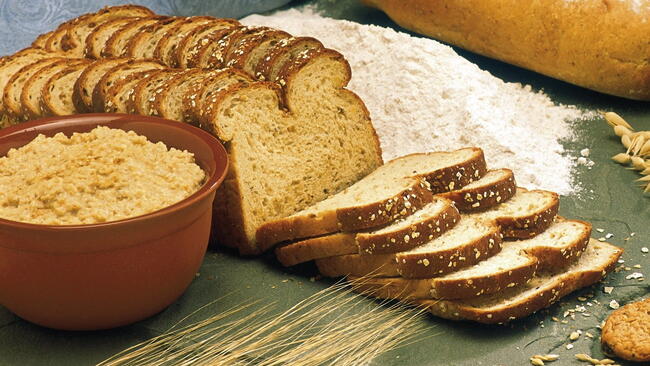
- Whole-wheat bread or other baked goods made with whole-grain flour
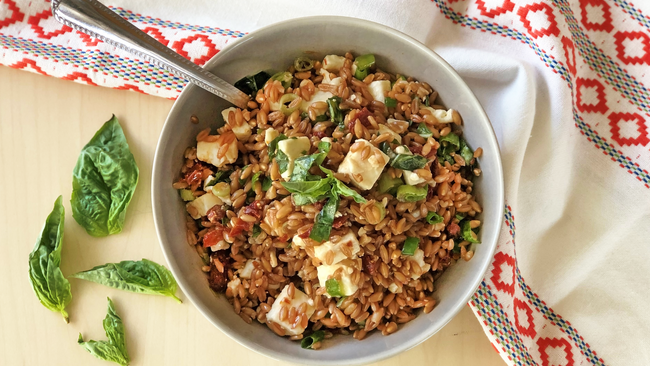
- Whole grains such as farro in salads and hearty side dishes
Cooking with the whole grain yourself makes it easier to know exactly what you’re eating—and there are plenty of delicious possibilities.
Frequently Asked Questions About Whole Grains
What is a whole grain?
A whole grain contains all three parts of the grain kernel: the bran, germ, and endosperm. It may be eaten whole or processed into foods such as whole-grain flour, rolled oats, or bulgur while retaining these three parts.
What are some examples of whole grains?
Common whole grains include brown rice, oats, barley, wheat berries, bulgur, whole wheat, rye, corn, buckwheat, and quinoa.
Is oatmeal a whole grain?
Yes. Oats are whole grains, and rolled oats and steel-cut oats retain the bran, germ, and endosperm of the oat grain.
Is bulgur a whole grain?
Yes. Bulgur is made from whole wheat that has been cooked or steamed, dried, and cracked, so it is considered a whole grain.
Is cracked wheat a whole grain?
Yes. Cracked wheat is made from whole wheat berries that have been coarsely crushed.However, a food labeled “cracked-wheat bread” isn’t necessarily made entirely from whole grains, so check the ingredients.
Is couscous a whole grain?
Traditional couscous is a type of wheat pasta, not a whole grain. However, whole-wheat couscous is available and is made with whole-grain wheat.
Is farro a whole grain?
Farro refers to several ancient types of wheat, and it can be sold in different forms. Whole-grain farro retains the bran, germ, and endosperm, while some forms are more heavily processed.
What is the difference between whole wheat and whole grain?
Whole wheat refers specifically to wheat that retains all parts of the wheat kernel. Whole grain is a broader term that includes wheat as well as other grains such as oats, barley, rye, corn, and brown rice.
How can you tell if a food is whole grain?
Look for “whole” before the name of the grain in the ingredient list, such as “whole wheat” or “whole oats.” Don’t assume that a product is whole grain simply because its name contains words such as “wheat,” “multigrain,” or “seven-grain.”
Whole grains may come in many forms, but once you know what to look for, it’s much easier to separate the whole from the refined.





Comments