From time to time, when a major weather event occurs, I see it described as a “once in a hundred years” or even a “once in a thousand years” event. But what does this weather phrase really mean?
Weather phrases such as “once in a hundred years” are commonly misunderstood. This phrase does not actually mean that the event will happen only once every 100 years. Instead, it refers to the probability of a particular weather event occurring at a specific location. A 100-year flood, for example, has a 1 percent chance of happening in any given year.
Usually, these phrases refer to a particular storm that brings heavy rain or snow.
What Does “Once in a Hundred Years” Mean?
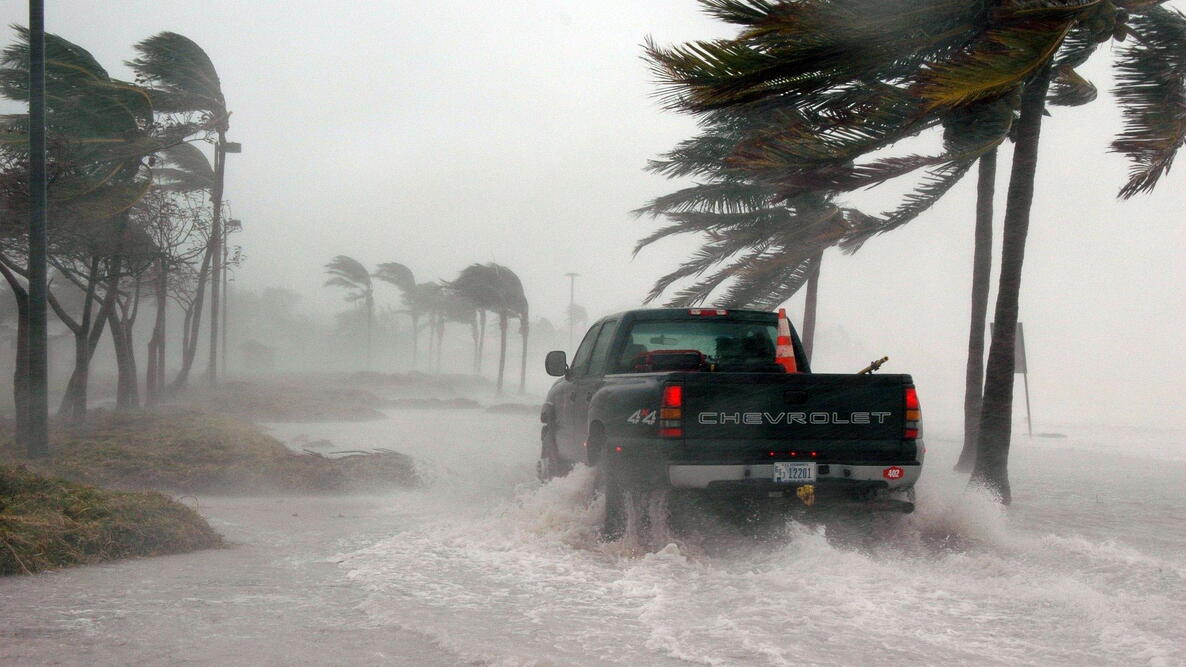
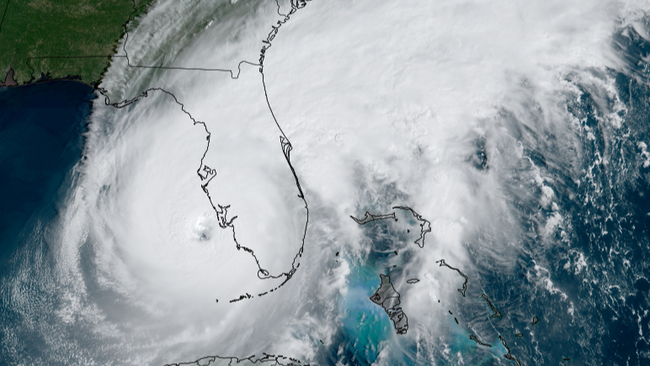
In 2017, Hurricane Harvey brought exceptional amounts of rain to the Houston, Texas, area—including 60.5 inches in the city of Nederland. Thirty inches or more fell on an area near the Texas coast about the size of the state of Maryland.
The 60.5 inches in Nederland was a record for a single storm in the continental United States and contributed to an unprecedented “once in a thousand years” flood event.
But there have been several other exceptional rainfalls in Texas brought about by tropical storms in recent decades. The 48 inches of rain in Medina from Hurricane Amelia in 1978; the 45 inches that Claudette dumped on the city of Alvin in 1979; the 43.15 inches brought by Imelda to Jefferson County in 2019; and the 40.68 inches that fell from Allison in Jefferson County in 2001 are also among the 10 highest rainfall amounts from tropical cyclones in the United States since 1950.
Three of the other top 10 events occurred in Hawaii, with one each in Florida and Puerto Rico.
How Can There Be More Than One “100-Year” Weather Event?
All of these events have been characterized as at least “once in a hundred years” events, including all five that hit Texas in the past 41 years.
This raises two important questions:
- How do we know that an event is this extreme?
- How can we have five “once in a hundred years” events in Texas in less than half a century?
The answer to the first question is that we have excellent precipitation records from about the past 30 years based on rain-gauge, Doppler radar, and satellite measurements. We have pretty good records from about the past 100 years, mostly with rain gauges.
Before that, the records are much more spotty, with some data from weather instruments but most of the weather information on individual events coming from personal diaries. Climatological information also comes mostly from indirect measurements of things like the thickness of tree rings.
The answer to the second question is more complicated.
Instead of imagining a “once in a hundred years” event happening exactly once every 100 years, think about it as having a 1 percent chance of happening in any given year.
And once such an event occurs, the chance of it occurring again in the following year is still approximately 1 percent.
Very simply, the United States is large enough, with enough different locations and weather events, that an apparent anomaly like the Texas rainfall will occur somewhere in the country even though the chance of an event occurring at any one particular location is relatively small.
Texas is also a large state with plenty of room for extreme events to occur in different parts of the state.
Two Other Factors to Consider
There are two other factors worth considering:
- Our weather records are limited. Because we do not have good weather records going back for more than a century or two, these events may happen more often than we expect.
- Climate can change the frequency of extreme events. As climate changes, whether naturally or because of human activities, particular weather events can become more or less frequent.
What Is a 100-Year Flood?
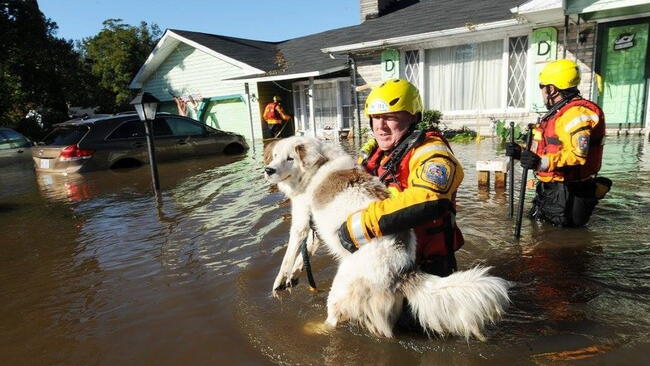
Similarly, you may have also heard the phrase “a 100-year flood,” especially around hurricane season. Perhaps you heard this phrase 2 years in a row—or even 2 months in a row!
So, what does a 100-year flood actually mean?
In the weather world, it’s about probability, not timing. It does not mean that a 100-year flood should only happen once in 100 years.
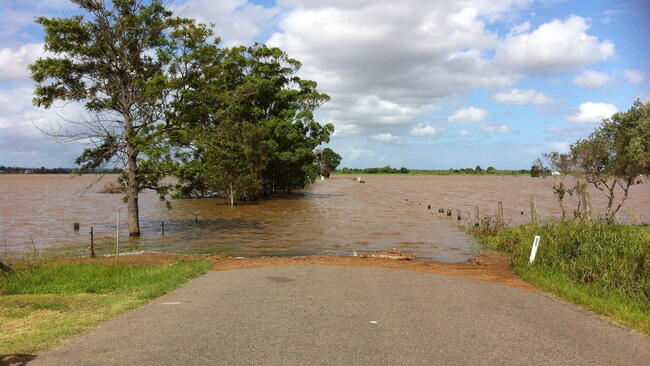
A 100-year flood is a statistical way of describing a flood that has approximately a 1 percent chance of happening in any given year at a particular location.
That means a 100-year flood can happen 2 years in a row. It could even happen more than once in a year. The “100-year” label does not reset the clock after a flood occurs.
Can a 100-Year Flood Happen 2 Years in a Row?
Yes! A 100-year flood can happen in consecutive years because the term describes probability rather than a schedule.
Think of it this way: If a particular location has a 1 percent chance of experiencing a flood of a certain magnitude in any given year, that probability does not become zero simply because the same type of flood happened the year before.
100-Year Flood vs. 500-Year Flood
You may also hear weather experts refer to 500-year floods or other “return periods.”
A 100-year flood has approximately a 1 percent annual chance of occurring at a particular location. A 500-year flood has approximately a 0.2 percent annual chance.
Neither term means that the event will occur exactly once during that period.
FAQs
Does a 100-year flood happen only once every 100 years?
No. A 100-year flood has an approximately 1 percent chance of occurring in any given year at a particular location. It can happen in consecutive years or even more than once in the same year.
Why is it called a 100-year flood?
The term “100-year flood” is based on statistical probability. It describes a flood with an approximately 1 percent chance of occurring in any given year at a particular location—not a flood that happens exactly once every 100 years.
Can a 100-year flood happen 2 years in a row?
Yes. Because a 100-year flood describes probability rather than timing, a flood of that magnitude can happen in consecutive years.
What are the chances of a 100-year flood?
A 100-year flood has an approximately 1 percent chance of occurring in any given year at a particular location.
What is a 500-year flood?
A 500-year flood has an approximately 0.2 percent chance of occurring in any given year at a particular location. Like a 100-year flood, it does not mean that the event can happen only once every 500 years.
Does climate change affect 100-year floods?
Climate change can affect the frequency and intensity of some extreme weather events, including heavy precipitation and flooding. As climate patterns change, the probability associated with particular extreme events can also change.
Now you know!
If you enjoy these “weather whys,” find out what the phrase, “A Chance of Rain” really means!





Comments