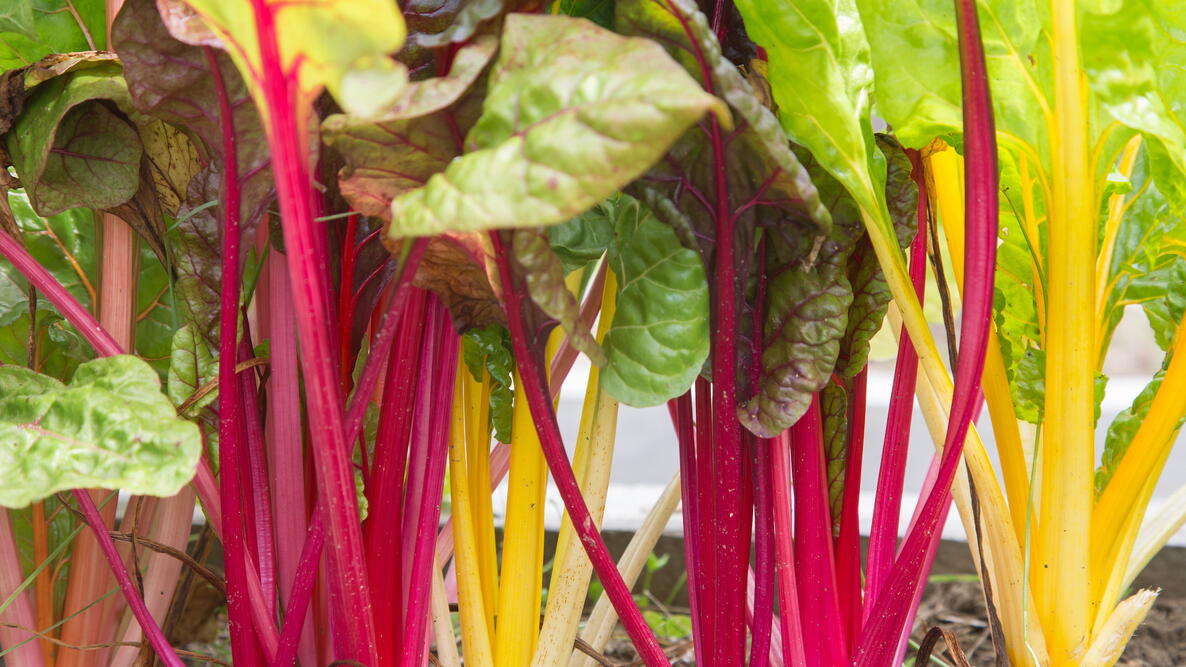
Caption
Swiss chard with its colorful stems.

Planting
Chard will tolerate partial sun, but it grows best in full sun. It prefers a location with moderately fertile, well-draining soil and a soil pH between 6.0 and 7.0 (slightly acidic to neutral). Before planting, mix aged manure and/or compost into the soil to boost soil fertility. Scatter a general-purpose organic fertilizer on the soil one week before sowing, then rake the soil to a fine tilth.
When to Plant Swiss Chard
- For the spring season, plant chard seeds 2 to 3 weeks before the last spring frost date.
- For a fall harvest, plant chard seeds about 40 days before the first fall frost date. (Many varieties will tolerate a light frost.)
- Soak seeds in water for 24 hours before planting to speed germination.
How to Plant Swiss Chard
- When ready to plant, apply 5-10-10 fertilizer to the area.
- Sow seeds 1/2 to 1 inch deep, 2 to 6 inches apart, in rows 18 inches apart.
- Continue planting seeds at 10-day intervals for a month.
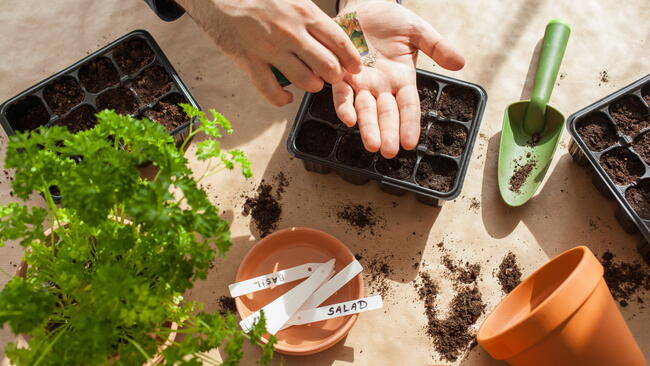
- You can also start chard off in pots for transplanting later, which has the benefit of helping to prevent slugs from eating the young seedlings. This is also useful for succession planting while you wait for space to become available in the garden. Once you’ve cleared out the previous crop, transplant the sturdy chard seedlings in the garden one foot apart, leaving 16 inches between rows.
Types
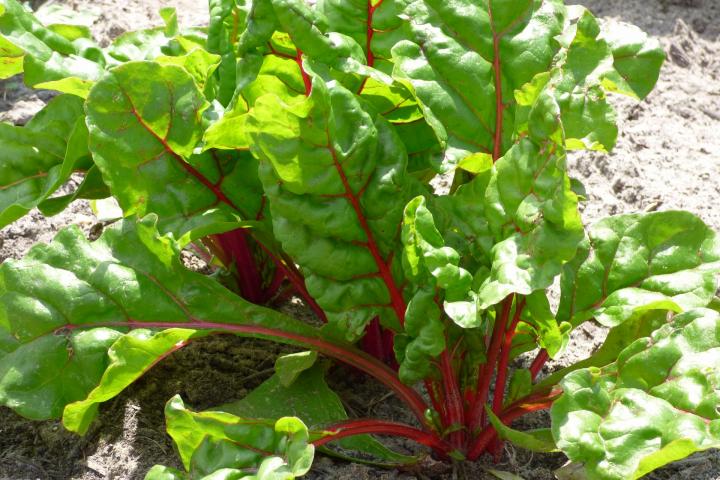
- ‘Bright Lights’: Dark green leaves on multicolor stems; bolt-resistant but less frost-hardy.
- ‘Fordhook Giant’: Dark green leaves, white stems; compact plants.
- ‘Lucullus’: Green leaves, white stems; heat-tolerant.
- ‘Peppermint’: Green leaves, pink-and-white striped stems; bolt-resistant; good for containers.
- ‘Rainbow’: Red, pink, white, yellow, orange, and striped leaves and stems.
- ‘Rhubarb’: Dark green leaves, deep-red stems; sow after risk of frost has passed or it may bolt.
- ‘Ruby Red’: Green leaves, bright-red stems; sow after risk of frost has passed or it may bolt.

More Like This


It would certainly be worth trying out, as long as the soil is rich and stays relatively moist. Because the flowers will be taking their fair share of nutrients and water from the soil, the Swiss chard likely won't be as productive as it might be otherwise, so I would advise applying an extra dose of fertilizer as the chard starts to take off.
Swiss chard is more heat tolerant than a number of other common greens, but its growth will slow down when temperatures rise. If you plant it now, don't expect a particularly large harvest if the heat does arrive. In fact, you might be better off waiting until late summer to plant for a fall harvest—it does best when it can mature with cooler temps. In any case, be sure to keep it well watered, especially if grown in full sun and in hotter temperatures.
- « Previous
- 1
- 2
- …
- 10
- Next »

Comments