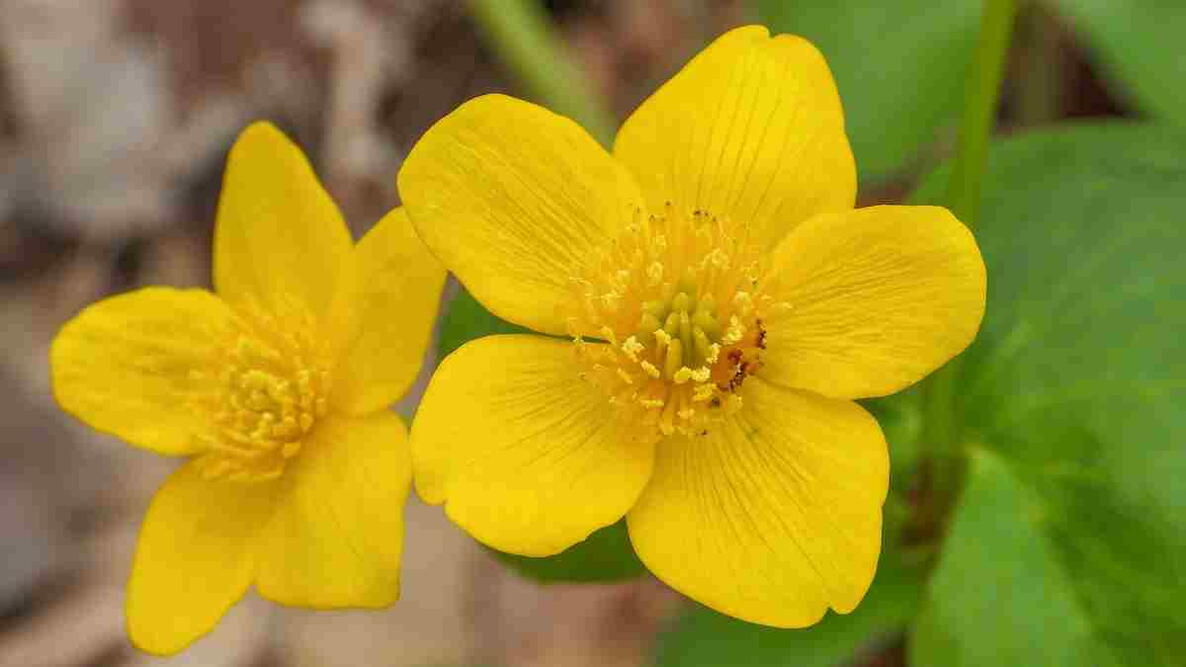
Caption
Close-up of marsh marigold (Caltha palustris), a native North American wetland wildflower.
Learn how to plant and care for these water-loving perennials that attract butterflies, bees, and songbirds.

When life gives you swampy soil, plant marsh marigolds! These native plants thrive in water-logged spots, rain gardens, and ponds, and their buttery gold flowers can’t help but delight the eye and pollinators, too. I love marsh marigolds particularly because they appeal to wildlife and thrive in adverse conditions where other plants won’t take root, and once you find out how easy it is to grow them, I suspect you’ll fall for marsh marigolds too.
About Marsh Marigold Plants
Also known as kingcups, meadow or water cowslips, or the crowfoot plant, marsh marigolds are native to much of North America but are also found in Europe and Asia. These plants are part of the buttercup family, and it’s easy to see the resemblance in their bright yellow, cup-shaped flowers. However, marsh marigolds also charm with their heart-shaped leaves and their sheer adaptability!

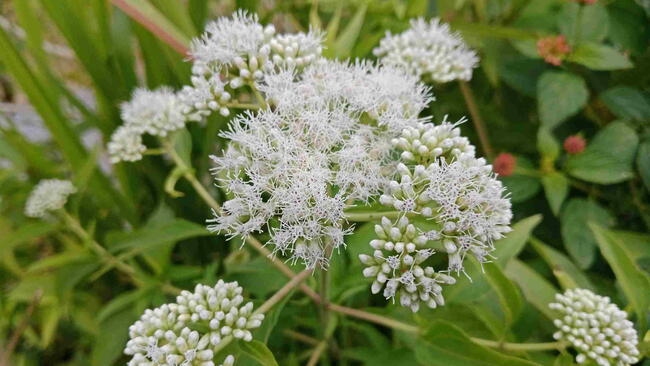
While most plants struggle in swampy soil, marsh marigolds grow best in swamps, ponds, rain gardens, and other areas that don’t drain well, and they don’t mind growing in standing water one bit. Shade or full sun are a-okay with marsh marigolds too, but they can be sensitive to brackish water and fertilizers, so they won’t grow in every garden. I like to pair marsh marigolds with other water-loving native plants, like Joe Pye weed and cardinal flowers, but you can grow them with non-natives like water lettuce, creeping jenny, and many other water-loving plants.
When mature, marsh marigolds typically stretch to about 2 feet tall and bloom from spring through summer. In hot areas, these plants flower early and then die back when the hot weather hits, but their perennial nature means they’ll return again each spring. Thanks to their bitter-tasting leaves, marsh marigolds are also naturally deer-resistant, but pollinators like butterflies, beetles, hoverflies, bees, and hummingbirds love them.
Read Next
Planting
Marsh marigolds need consistently moist soil, and they’re much easier to maintain if you locate them in a spot that naturally suits their water-loving nature. That means focusing on areas that stay wet or that have standing water, like ponds and other water features. Steer clear of growing these plants in pots or planters, though, as container-grown plants tend to dry out quickly and often turn brown!
When to Plant Marsh Marigolds
Spring is the best time to plant marsh marigolds.

How to Plant Marsh Marigolds
- Remove the pot. Marsh marigolds are typically grown from nursery-started plants. When you get them home, grasp the base of the plant in one hand and wriggle the plant’s pot free.
- Cold stratify seeds. If you’re growing marsh marigolds from seed, you’ll need to wait much longer to enjoy their flowers. Seeds from these cold-tolerant plants should also be subjected to about 60 days of cold stratification before planting and then buried about 1/8-inch deep.
- Plant it right. To plant marsh marigolds in soil, dig a hole that’s just slightly larger than your plant’s root ball and bury the plant at the same depth it was growing in its nursery container. If you’re planting marsh marigolds in a pond, you may want to use gravel or stones to gently anchor the plant’s roots in place.
- Skip the fertilizer. Marsh marigolds are sensitive to fertilizers, so you won’t need to add compost, manure, or fertilizer at planting time. Just be sure to water them well if they aren’t growing in a pond!
- Space them out. These plants look best when they’re grown in groups or “drifts” of 3 or more. Spacing individual plants about 12 to 24 inches from their neighbors will ensure your marsh marigolds have plenty of space to grow.
Marsh marigolds can grow in sun or shade, but shady locations are preferred in hot climates.
Gardening Products
Propagation
https://www.shutterstock.com/image-photo/caltha-palustris-yellow-flowers-spring-2641864661
Marsh marigolds take about 2 to 3 years to bloom when they’re grown from seed. But you can get flowers a lot earlier by dividing your plants in spring!
- Start early. The best time to divide marsh marigolds is after the plants leaf out in spring, but before their flower buds emerge.
- Dig them up. Use a shovel to dig a perimeter a few inches out from the base of your marsh marigolds and then carefully lever the plants from the soil.
- Divide into sections. Use a spade or two gardening forks back-to-back to cut the plant clump into smaller sections. Each divided section of marsh marigolds should have healthy stems and leaves, as well as a nice clump of roots.
- Replant ASAP. Plant the divided plants at the same depth they were originally growing as soon as possible to minimize plant stress.

More Like This


Comments