
Planting

Turtlehead plants can be grown from potted plant starts, but it’s often hard to find them at garden centers unless you can track down a local nursery that specializes in native plants. The good news is that turtleheads can also be grown from seed in a pinch. You’ll just need to wait a bit longer for your plants to bloom.
When to Plant Turtleheads
Potted turtlehead plants should be planted either in spring or summer, when temperatures are mild, and the risk of frost has passed. Turtlehead seeds, on the other hand, can be planted in spring or fall; however, varieties native to cold areas benefit from cold stratification. You can either cold stratify your seeds by planting them outdoors in autumn when the ground freezes, or stratify them in your fridge for 6 weeks before spring planting.
Where to Plant Turtleheads
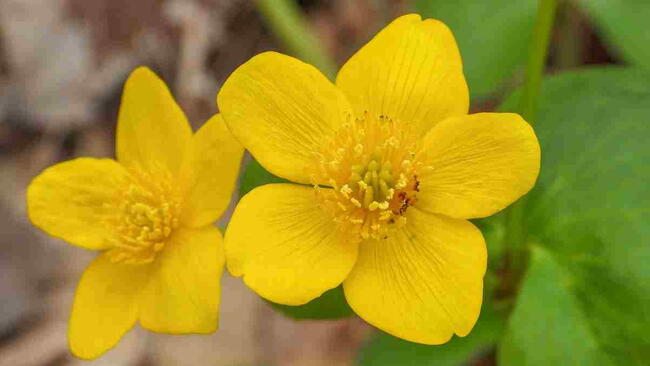
While many perennials hate having “wet feet,” turtleheads grow best in consistently damp soil and can tolerate sun or shade. I like tucking these plants into rain gardens and soggy parts of my yard, along with other water-tolerant plants, like marsh marigold, swamp milkweed, boneset, Joe Pye weed, and cardinal flower.
Turtleheads are highly adaptable in terms of lighting and can be grown in full sun or shade. That said, these plants are at their best in dappled light and can become leggy, and need staking in low light conditions. In full sun areas, these plants will need more consistent watering.
How to Plant Turtleheads
Planting Turtlehead Plants
Dig a hole that’s slightly larger than your plant’s root ball, amend the soil with a bit of compost, and plant your plant at the same depth it was growing in its nursery pot. Water well after planting, add mulch over the soil line, and space multiple turtlehead plants at least 1 foot apart.
Planting Turtlehead Seeds
Scatter the seeds over a prepared planting spot in late fall, or cold stratify the seeds for 6 weeks in your fridge, then surface-sow them in pots filled with damp seed-starting mix. Turtlehead seeds need light to germinate, and indoor seedlings should be watered often and kept in bright light until you can transplant them outdoors after your last frost date.
Where To Plant Turtleheads
The easiest way to keep turtlehead plants happy is to grow them in areas where the soil stays naturally damp year-round. Ideally, their roots should be covered with a thick layer of mulch. In these locations, turtleheads often do not need supplemental water, while plants grown in pots or drier spots may need to be watered daily when the weather is warm. Water them enough to keep the soil evenly damp at all times.
Although turtleheads can tolerate cold weather like champs, they may struggle in areas with hot summers. In these locations, you may want to shield turtleheads with shade cloth during periods of extreme heat.
Growing

If you’re growing turtleheads in containers, choose pots that are at least 1 gallon in size and that have drainage holes in the base. Growing turtleheads in containers is fine, as long as you water them enough to keep their soil consistently moist.
In the garden, I like to grow turtleheads in “drifts” or groups of three or more plants to achieve a more natural look. These perennials are ideal for larger plantings and meadowscaping, too—if you have the room for it!
Fertilizing
As with other native plants, turtleheads don’t need much fertilizer and can become floppy in overly rich soil. I like to feed my plants with just an annual application of compost applied in spring or fall. However, you can also feed these plants with a diluted liquid organic fertilizer in spring if that’s more your style. Just choose a balanced 5-5-5 or 10-10-10 product and apply it according to the directions on the fertilizer packaging.
When To Cut Back Turtlehead Plants
Thanks to their cold-hardy nature, turtleheads don’t need much winterizing, although they will benefit from an annual application of mulch applied in either spring or fall. These plants don’t need much pruning either, but you can encourage your plants to grow bushier by pinching the top 1/3 of their stems back to a leaf node in spring. If desired, you can also keep turtleheads from self-sowing by deadheading their flowers before they dry out and drop seeds.
Types

In North America, there are about six native varieties of turtleheads, which vary a bit in their cold tolerance, height, flower color, and bloom time. However, these plants all have a sturdy, upright growth habit, lance-shaped leaves that keep the plant attractive even when it’s not in bloom.
Choose turtlehead plants that are native to your zone. Native varieties should also be better adapted to local weather and climate conditions!
- White Turtlehead (Chelone glabra): This native variety has the widest natural range and is found growing wild from eastern Canada to Georgia and Illinois. Hardy to Zone 3, white turtlehead blooms are occasionally lightly tinged with pink, while the plant typically grows to around 4 feet in height.
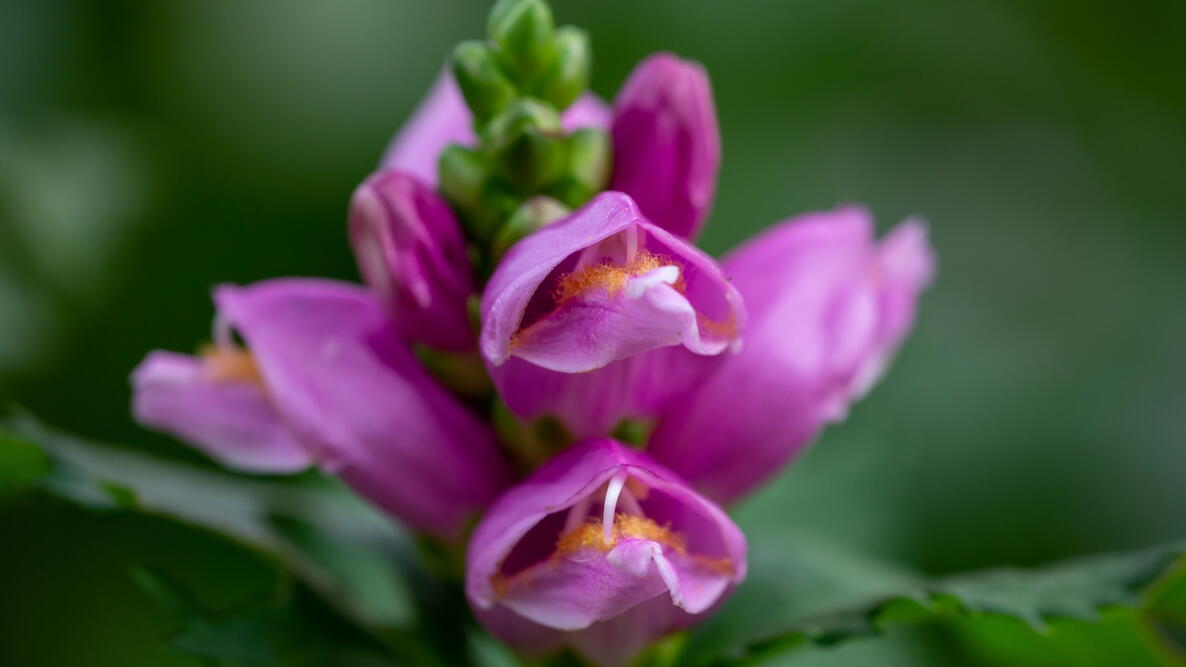
- Pink Turtlehead (Chelone lyonii): Native throughout the eastern coast—from Maine to Mississippi—pink turtleheads grow to around 4 feet tall, produce pinkish-purple blooms, and tolerate more sun than other varieties.
- Red Turtlehead (Chelone obliqua): Despite the name, red turtlehead flowers are actually a dark shade of pink. Growing to just 2 feet tall, these pint-sized natives are found throughout the Midwest and are hardy from Zones 5 to 9.
There are a number of turtlehead cultivars on the market; avoid them. Cultivars don’t grow “true to type” and aren’t ideal for seed saving.
Propagation
There are two main ways to propagate turtlehead plants, and the method you choose will vary depending on your patience and how long you want to wait to get turtlehead flowers. Plants that are grown from seed typically take 2 to 3 years to bloom, but plants that are propagated by division will flower much earlier!
- By seed. Wait until the turtlehead flowers fade into seed pods and then pinch the seed pods off the plant just before they’re fully dried. Bring the pods indoors, allow them to dry on a tray or plate for a week or two, then crack the pods open, gather the seeds, and store the seeds in labeled and dated paper envelopes until planting time arrives.
- By division. Like many other perennials, turtlehead plants should be divided every 2 to 3 years. This is best done on a cool and overcast day in spring, just before rain is expected. Dig a large circle around your plant’s roots, lift the plant out of the soil, break its roots into two to three divisions with roots and stems attached using your shovel, and then plant the divisions as soon as you can to minimize stress.


Comments