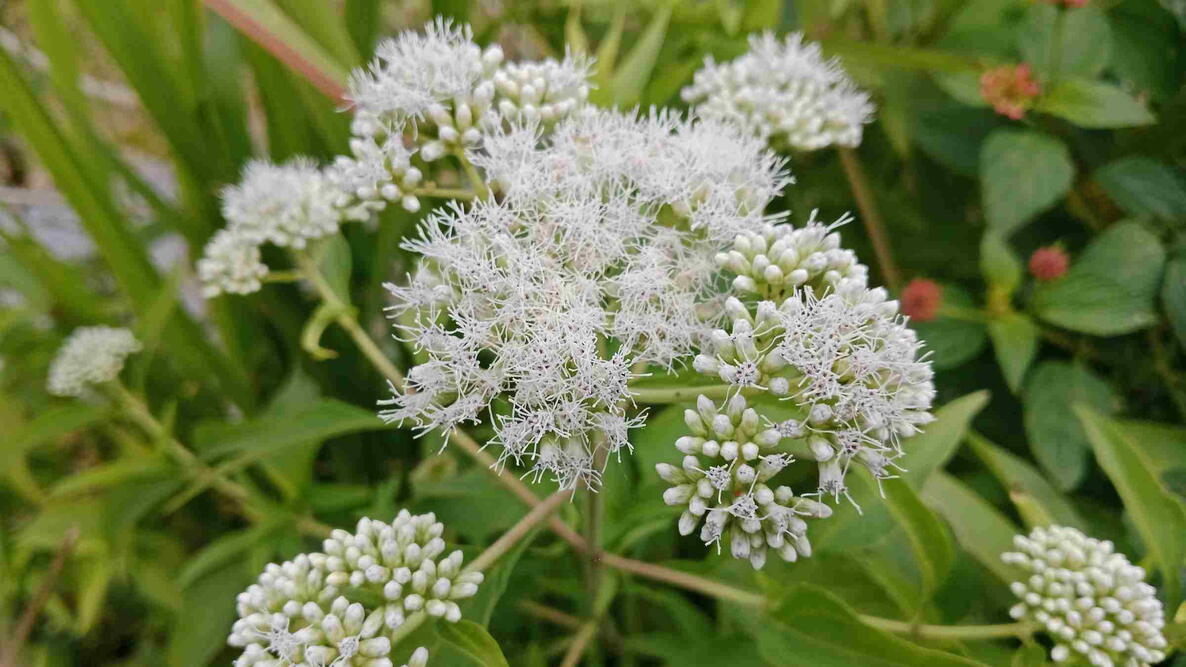
Caption
Boneset (Eupatorium perfoliatum) is a North American native wildflower, prized for its delicate white blooms and value to pollinators.

Boneset may not be the flashiest plant in your flower bed, but it could just become the backbone of your garden! This guide will show you why this North American native, famous for its medicinal uses, is highly appealing to wildlife, easy to maintain, and ideal for cut flowers or dried arrangements.
Boneset belongs to the Aster family and has a wide native range across much of Eastern North America—from Nova Scotia down to Florida. In the wild, it’s commonly found along streambanks, bogs, ponds, and woodland edges where the soil stays damp. But this adaptable plant will also thrive in standard garden beds that receive plenty of moisture and light.
When mature, boneset typically grows 4 to 6 feet tall and produces fragrant, white flowers from July through September, attracting bees, butterflies, and beetles. It also serves as a host for spring azure butterflies and several moth species. Its upright, dainty silhouette blends beautifully into mixed flower beds, native plant or woodland gardens, and any area that could use extra pollinator-friendly interest.

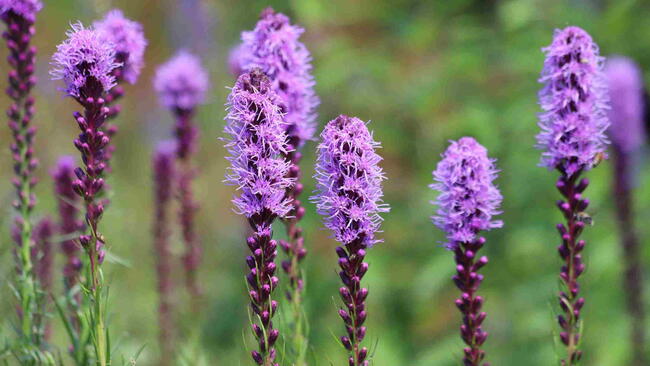
Perfect for rain gardens, native plant beds, and pollinator habitats, boneset is easy to maintain in a variety of conditions. I love planting it in low-lying, poorly draining spots, as it tolerates occasional flooding and consistently damp soil. Over the years, I’ve successfully grown boneset alongside other water-loving natives like cardinal flower, Joe Pye weed, blazing star, and blue flags. It also pairs well in cottage gardens with plants like phlox or in medicinal herb beds if that’s your gardening style.
Read Next
Growing
Once boneset starts blooming, it rewards gardeners with a long flowering period and frilly white blooms that pollinators can’t resist. Because these plants are so valuable to wildlife, it’s best to grow them organically and keep pesticides away from the flowers. Once established, boneset can spread through rhizomes or seeds, gradually colonizing new areas of your garden. If you prefer to keep it contained, simply deadhead spent flowers before they go to seed.

Watering
Consistently moist soil is essential for healthy boneset plants. I find it’s much easier to maintain these plants if you grow them in areas that are naturally damp, such as low sections of your garden where water tends to pool. However, you can grow boneset in drier areas if you water it enough to keep the soil evenly damp, and add mulch to reduce moisture evaporation.
Pruning
Pruning is usually not necessary with these plants and they shouldn’t need any winter protection. Just trim the old dead stems to the ground in spring to give your garden a tidier look. If you want boneset to flower a little more, you can also pinch the very tips of the growing stems back to a leaf node in early summer before the plant sets flower buds; however, this treatment is not required.
Dividing Boneset
Like many other perennials, boneset needs to be divided every few years to keep the plants healthy and blooming strong. Root division is an excellent way to produce more boneset plants, but you can also propagate boneset from cuttings or from seeds you collect yourself!
- Root division: Dig up a clump of boneset in spring or fall and cut the plant’s roots into smaller sections using a spade or two gardening forks back to back. Make sure each division has a healthy clump of roots and at least a stem or two, and then re-plant the divisions and water well.
- Stem cuttings: Take 4 to 6-inch long stem cuttings from healthy plants in spring or fall, dip the cut stem end in water and rooting hormone, and then plant the cuttings in damp potting soil. Keep the cuttings evenly moist and in partial shade until they root and can’t be easily lifted from the soil with your fingers.
- Seeds: Wait for boneset flowers to dry on the plant and then collect the dried seeds by shaking the flowerheads over a paper bag in fall. Leave the top of the bag open and allow the seeds to dry indoors for a few days. Then seal the seeds in labeled and dated paper envelopes until you’re ready to plant them!

More Like This


Comments