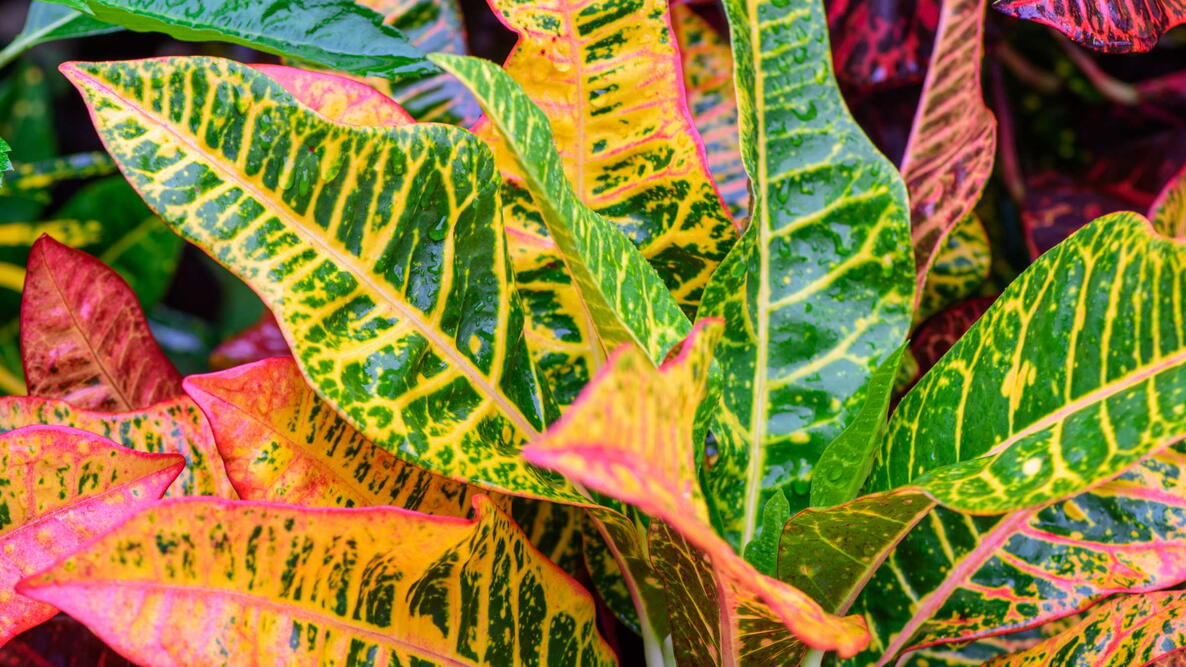

Growing
How to Care for Croton
- Place croton in a sunny location such as an eastern, southern, or western window. If croton is getting too little light, its newer leaves will be less colorful.
- Keep the soil evenly moist, but let it dry out between waterings.
- If humidity is low in your home, mist around the leaves with water once a week or keep a tray of wet gravel near the plant.
- Croton leaves are dust magnets. Gently wipe the leaves with a moist cloth twice a month to keep them clean and dust-free.
- Fertilize the plant in spring and summer while the plant is actively growing. In fall and winter, fertilize more sparingly or refrain from fertilizing altogether.
- New croton plants can be started with 4- to 6-inch stem cuttings. Remove the bottom leaves and place the cutting in a glass of water. After roots have formed, plant them in a small pot.
- Repot the plant in the spring if it has grown too large for its current pot.
Types
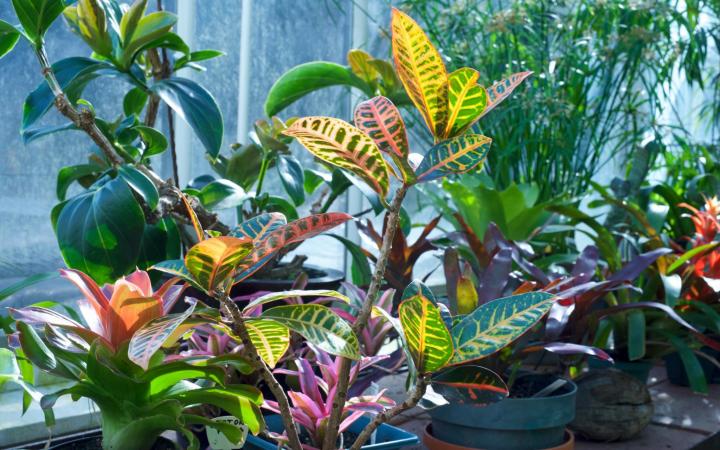
- ‘Petra’ is a popular cultivar. It has green leaves with red, orange, and yellow veins.
- ‘Gold Star’ has green leaves that are splashed with bright gold “stars.”
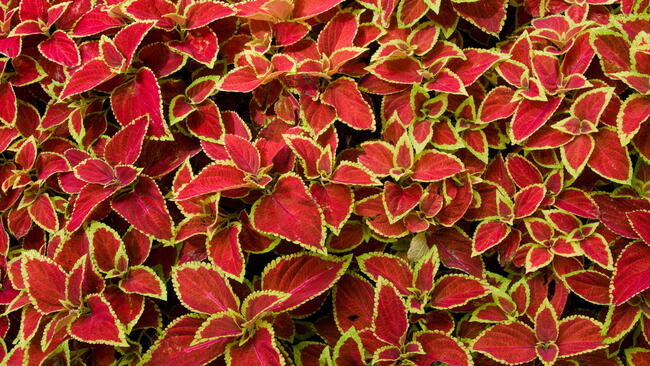
- ‘Eleanor Roosevelt’ has skinny leaves that range in color from burgundy to lime green. The leaves are mottled with bright yellow as if they were spray painted.
- ‘Oakleaf’ has oak leaf–shaped dark green or bronze leaves with veins in yellow, orange, and red.

More Like This

While it is great news that your croton is doing well, the corresponding less-great news is that the odor you are detecting is almost certainly the croton. I've not heard it described as garlicky before, but crotons often have a scent that has been described as "old oranges." I am not aware of any tricks to lessen the smell, so if it continues to be bothersome, it might be time for the croton to find a new home. Our friends at the University of Florida extension service have plenty of good advice when it comes to growing crotons: https://sfyl.ifas.ufl.edu/media/sfylifasufledu/manatee/docs/pdfs/master-gardners/newsletters/February-2017.pdf
Because crotons are tropical plants, they do not handle frost or cold weather well. For that reason, planting in fall is a riskier proposition than planting earlier in the season. This is not to say that, under the right circumstances, that it won't work. But I'd certainly have an eye on both the long- and short-term forecasts before committing. Our friends at the University of Florida extension service also have some other tips for growing crotons in central Florida.

Hi Jan,
Croton is mostly deer-resistant, but with that being said, like most plants there is a chance if a hungry enough deer comes by your property it might take a few nibbles.
While mostly grown as a houseplant, if croton is something you intend to planting outdoors, it is only hardy in Zones 11–12. It also does well in locations with warm, humid summers, but will need to be brought indoors when nighttime temperatures drop to around 50°F.
Here is a list we have compiled of deer-resistant plants https://www.almanac.com/deer-resistant-plants.
Hope this helps!
If your croton are growing outdoors, I assume you live in a pretty warm climate. The most likely culprit when it comes to white powder on the leaves is powdery mildew, and the good news is that it can easily be treated: https://www.almanac.com/pest/powdery-mildew
If your plants don't respond to powdery mildew remedies, it may be time to call your local extension service for more thorough diagnosis.
https://www.almanac.com/cooperative-extension-services
- « Previous
- 1
- 2
- …
- 10
- Next »

Comments