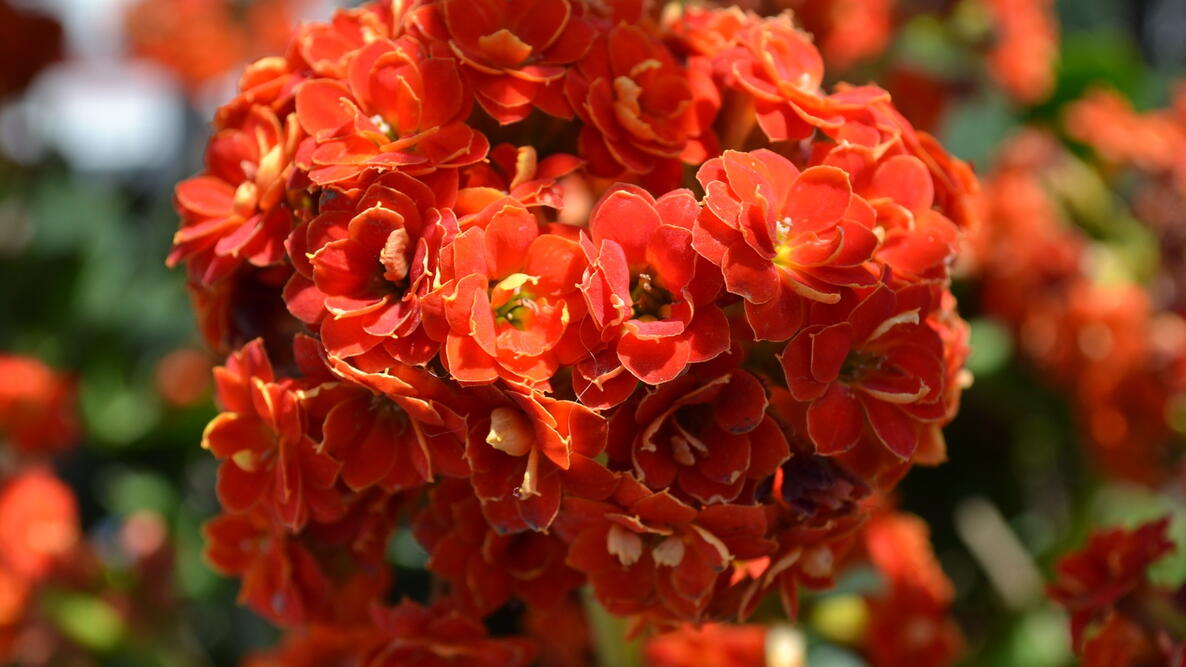

When days are short and skies are gray, flowering houseplants step in with weeks (even months) of vibrant color. The best part? Many winter-blooming houseplants are surprisingly easy to care for and practically thrive on neglect. Whether you’re looking to brighten your own space or give a living gift, these dependable bloomers bring life, color, and cheer to the coldest season.
Looking for flowering houseplants that bloom in winter and are easy to care for? These long-lasting indoor plants thrive in cool weather and brighten your home for weeks.
Kalanchoe: A Colorful, Low-Maintenance Winter Bloomer
Kalanchoe are rugged succulents that grow well on a south-facing windowsill.
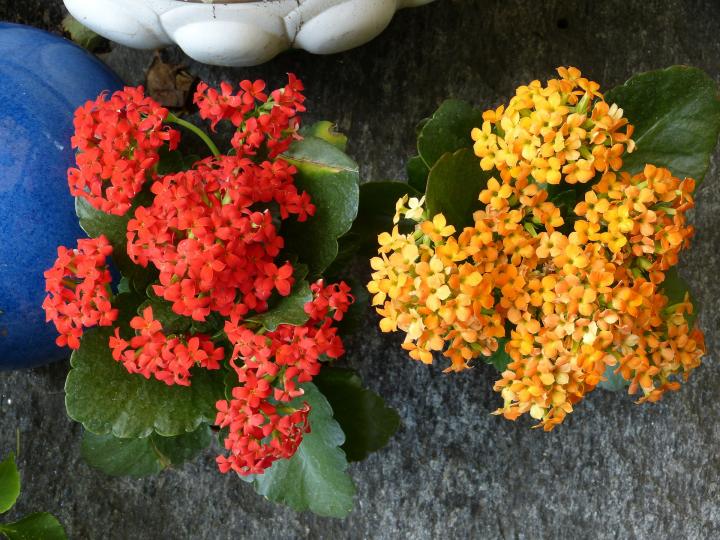
They come in a wide range of crayon-bright colors. If you want something a little different, look for Kalanchoe pumila, which has pink blossoms and gray trailing foliage. It looks stunning in a hanging basket. All kalanchoes like cool temperatures and are drought-tolerant, in case you forget to water.
→ Read more about caring for kalanchoe.
Christmas Cacti: A Classic Holiday Houseplant
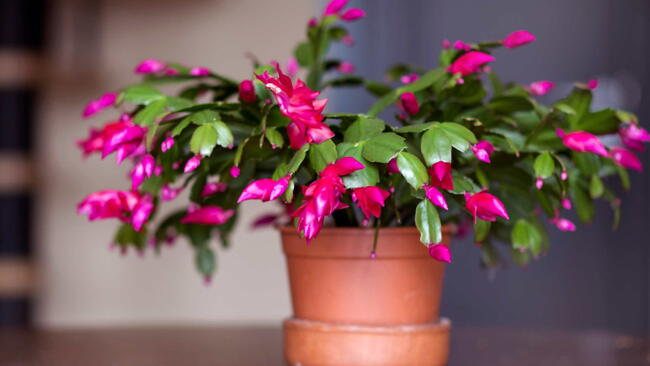
Christmas cacti are easy to find in florist shops, grocery stores, and garden centers this time of year.
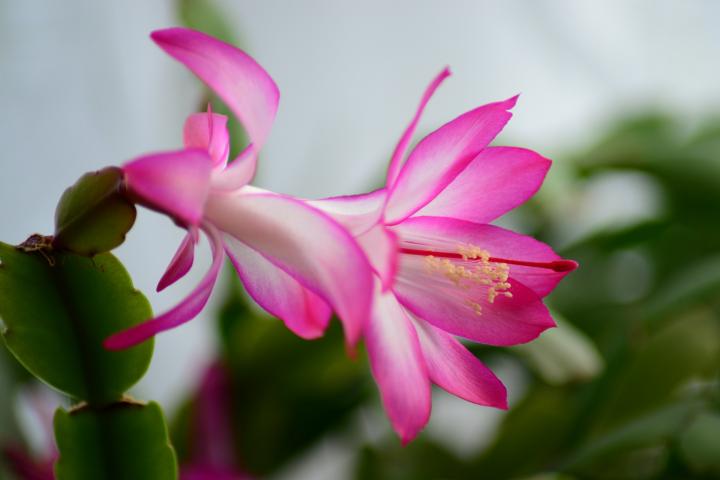
They come in many neon shades of red, purple, pink, and white. Not a true cactus, these plants are actually epiphytes, like many orchids.
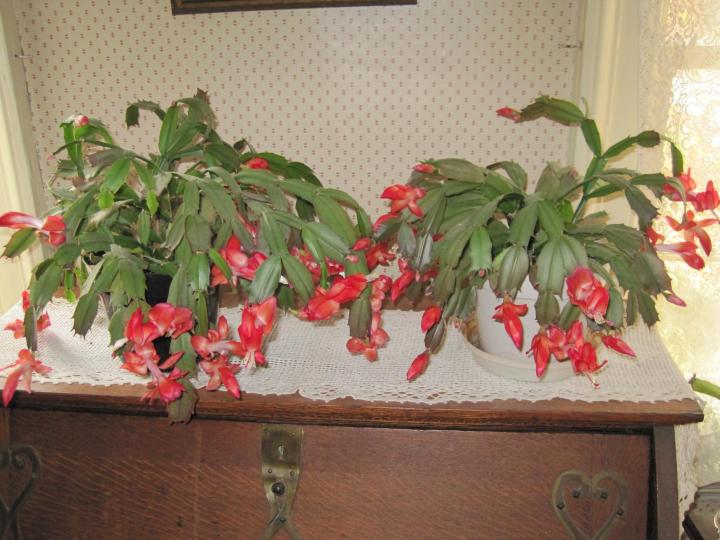
A cool, bright room is the best place to display them, especially if the night temperatures drop to 55° to 60°F. This will prolong the life of the flowers. Don’t put them in direct sun or near a heat source. Try to keep the soil evenly moist but not soggy. After blossoming, let the plant rest. Continue to water it only when dry.
→ Read more about caring for Christmas cacti and learn the difference between Christmas, Easter, and Thanksgiving cacti!
Orchids: Long-Lasting Flowers for Bright Rooms
Phalaenopsis is one of the easiest orchids to grow, and the flowers, which resemble moths or butterflies in flight, will last for 3 to 4 months.
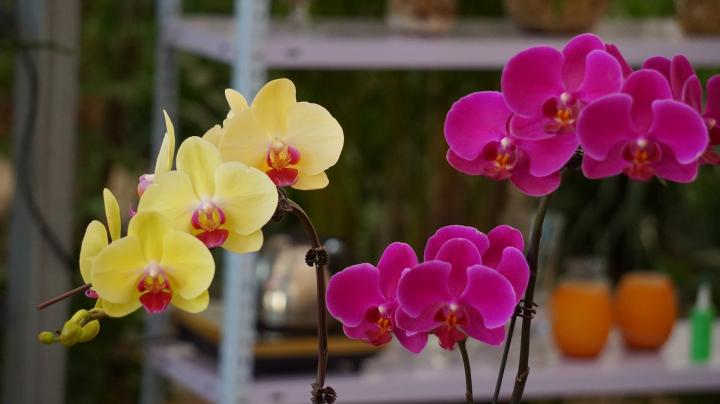
They come in a wide range of solid colors, stripes, and bi-colors. Water once or twice a week and fertilize once a month. Most orchids die from too much attention rather than from neglect. They like the same temperatures we do, 60° to 75°F during the day with a drop to 55° to 60°F at night. Bright, indirect light from an east or west window is best.
→ See our Orchid Growing Guide for more advice and recommended species.
Cyclamen: Cool-Loving Winter Color
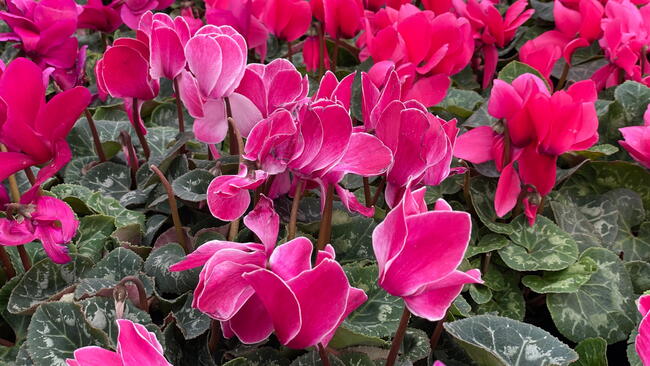
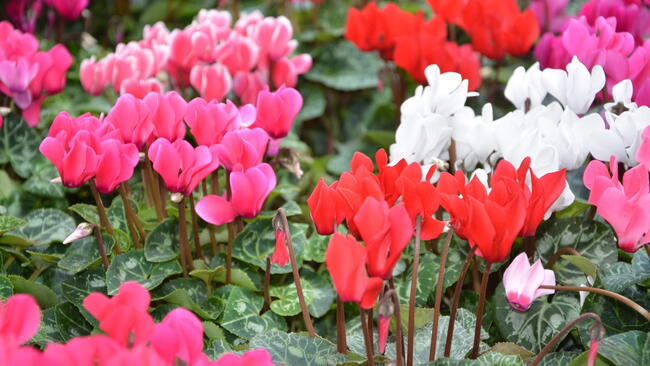
Cyclamens grow from a corm that sits near the surface of the soil. This long-lasting houseplant will bloom from now through April. It has marbled, heart-shaped foliage and elegant flowers borne singly on bare stalks.
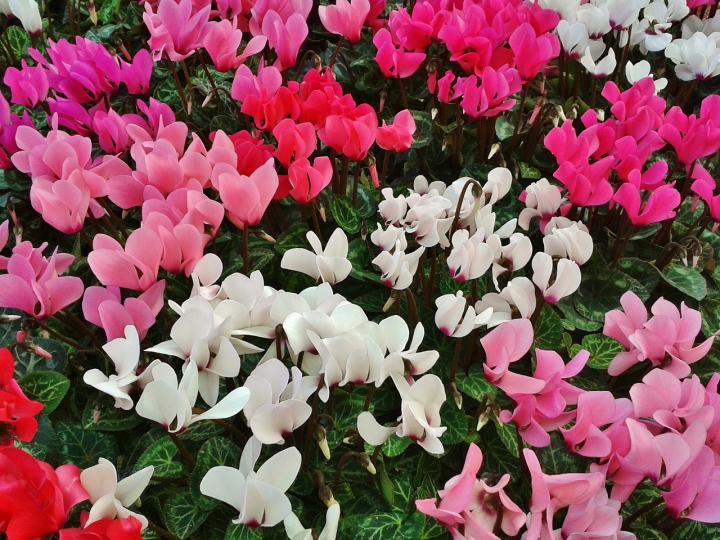
They come in pink, purple, red, and white with some bi-colors, and the blossoms can have plain or ruffled edges. The plants like bright indirect light and cool temperatures. To prevent moisture from rotting the crown, water from the bottom by sitting the plant in a saucer of water for a few minutes. After it has drawn up enough water to reach the surface soil, let it drain. Let the plant dry out slightly between waterings.
→ Read more about growing cyclamens.
If you plan to gift these winter plants to a friend, protect them from the elements during transportation, and don’t leave them in a cold vehicle.
Frequently Asked Questions
What houseplants bloom in winter?
Some of the best winter-blooming houseplants include kalanchoe, Christmas cactus, orchids (especially Phalaenopsis), and cyclamen. These plants naturally flower during cooler months indoors.
Are winter-flowering houseplants hard to care for?
No! Many winter-flowering houseplants are low-maintenance. Most prefer bright, indirect light, cooler temperatures, and careful watering—making them ideal for beginners.
How can I make winter houseplant flowers last longer?
Keep plants away from heat sources, provide cool nighttime temperatures when possible, avoid overwatering, and give bright but indirect light to extend bloom time.
Can flowering houseplants survive winter drafts?
Cold drafts can damage blooms. When transporting or placing plants near windows, protect them from freezing temperatures and sudden temperature changes.
Resolve to make any gift a plant this year—and brighten someone’s day!

More Like This
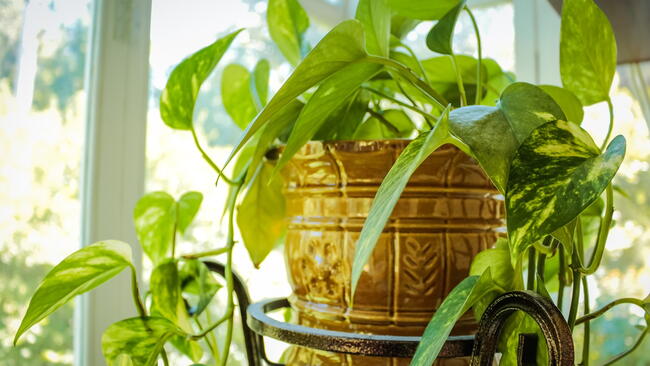

Try something like a peace lily, which likes to be kept in moist soil, or a pothos, which is very hardy in general. However, too much water will kill (almost) any plant, so it would be better if he could adjust his care practices with that in mind!

Comments