For daily wit & wisdom, get the Almanac newsletter.

Planting and Growing Bell Peppers

green bell peppers and red bell peppers on a plant in the garden
Image Credit:
D. Leonis/Getty Images
Sponsored Article:
Cummins
Botanical Name
Capsicum annuum
Life Cycle
USDA Zones
Toxicity
Sun Exposure
Water Needs
Height
Spread
Soil pH
Bloom Time
Flower Color
Resilience
Plant Type
Written By: Catherine Boeckmann Executive Digital Editor and Master Gardener
Almanac Guide to Herbs

Whether you’re stuffing them, slicing them raw, or grilling them to perfection, growing your own bell peppers is an easy way to add color to your garden — and your dinner plate. In this guide, we’ll teach you how to grow your own bell peppers from seed or starter plants and how to help these sunshine-loving veggies produce their very best!

Planting

When to Plant Peppers

Peppers are slow-to-grow plants that take about 60 to 90 days to mature when grown from seed. To work around this long growing season, many gardeners purchase starter pepper plants from nurseries, which can be planted outside 2 to 3 weeks after the last spring frost or when soil temperatures have warmed to around 65°F (18°C). That said, if you have the patience, you can also start pepper seeds indoors in pots about 8 to 10 weeks before your last spring frost date and then move the transplants outside when the weather warms.

Where to Plant Peppers

Peppers are full sun plants that should be planted in a well-draining spot that receives at least 6 hours of light per day and has rich and moist (but not wet) soil. Mixing some compost into the soil before planting will help peppers grow better, while northern gardeners may want to warm the soil with black plastic for a few weeks before planting to speed up planting times. You can also grow peppers in a well-draining pot that’s at least 3 to 5-gallons in size.

Due to the risk of disease transmission, it’s best to avoid planting peppers in an area where you’ve recently grown other nightshade family members—such as tomatoes, potatoes, or eggplants.

How to Plant Peppers

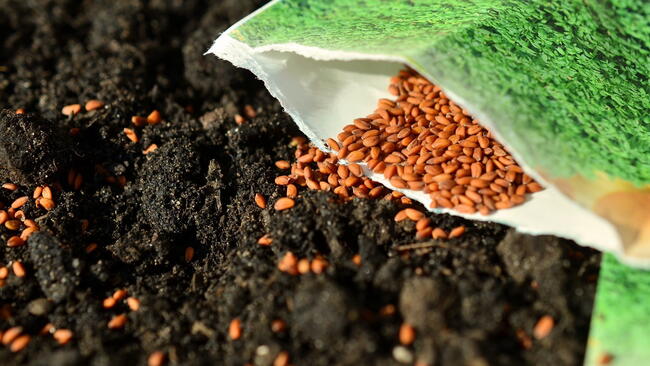
  • To start peppers indoors: Plant 2 pepper seeds per seedling cell or 3 per pot by burying the seeds 1/4-inch deep in seed starting mix. For faster germination, maintain soil at 70°F (21°C) or above with a heat mat. Move the seeds under bright grow lights, keep them well-watered until they sprout, thin out the weakest seedlings with fingernail scissors leaving just 1 plant per cell or 2 per pot, and repot the seedlings into bigger containers as needed until it’s time to move them outdoors.
  • To plant peppers outside: Wait until the weather warms and then harden indoor started plants or nusery starts off over the course of 1 to 2 weeks. Plant the seedlings in prepared soil at the same depth they were growing in their nursery pots or slightly deeper if their stems are leggy by burying the stems to the lowest set of leaves. If possible, transplant peppers on a cloudy day to reduce the risk of planting shock, plant peppers in their own pots or 12 to 18-inches apart in rows spaced 2 to 3-feet from each other, water well, and consider adding stakes or tomato cages to avoid disturbing plants later on.

Growing

Watering

Peppers should be watered regularly with about 1 to 2-inches of water per week. For best results, allow peppers to nearly dry out between waterings, then water them deeply, low and slow, and add a layer of mulch to lock in soil moisture levels. Make sure to keep up with a regular watering practice as irregular watering can lead to plant stress and issues like blossom end rot.

Fertilizing

Adding compost to the soil at planting time makes pepper plants more productive. After that, feed peppers regularly with an organic tomato fertilizer or other high potatssium fertilizer from the time the plants begin to produce flower buds. Bell peppers also do well with organic, balanced or low nitrogen, slow-release granular fertilizers.

Pruning or Maintenance

Bell peppers don’t need major pruning but they will grow bushier and produce more fruits if you pinch out the growing points at the top of the plant once the plants are about 8-inches tall.

Seasonal Care

Peppers are extremely heat-sensitive and may drop their blossoms if it’s too hot (above 85° to 90°F in daytime) or cold (below 60°F at night) or if water is inadequate. To avoid this fate, use shade cloth or row covers to protect bell peppers from heat stress or sunscald and cover plants with cloches or frost blankets if a cold snap passes through. Make sure to weed regularly to keep weeds from competing with bell peppers too!


Harvesting

When to Harvest

Begin harvesting bell peppers as soon as the plants begin fruiting and the peppers reach a usable size. You can harvest bell peppers when they’re green or when they reach their mature color, which may be red, orange, yellow, or even purple depending on the variety. Harvesting regularly prompts pepper plants to produce more fruit and safeguards harvests from pest damage; however, bell peppers get sweeter the longer they stay on the plant.

How to Harvest

To harvest bell peppers, hold the pepper stem and snip the stem off the plant with a clean pair of pruners, scissors, or a sharp knife. Don’t pull bell peppers off the plant as this can cause significant damage and make peppers less productive.

Storage

After harvesting, bell peppers should stay fresh in the cripsper drawer of your fridge for up to 10 days. For longer storage, you can also chop and freeze bell peppers, or wash, de-seed, chop and dry them in an oven or dehydrator set at 140°F for 4 to 6 hours.
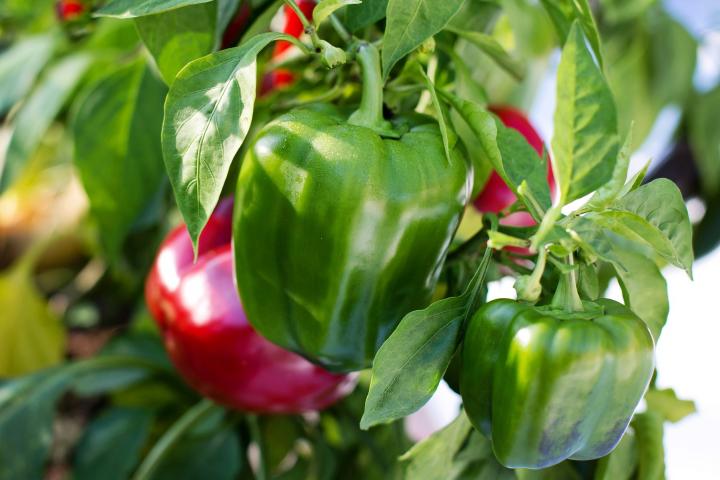
Green and red bell peppers on plant

Pests and Problems

Just like other veggies, peppers can develop problems due to environmental stress, pests, or disease. Here are some of the most common complications you may encounter when growing bell peppers and what to do about it!

Common Problems

  • Flower drop and poor fruiting. Pollination can be reduced if temperatures fall below 60°F (16°C) or rise above 90°F (32°C), which can result in flower drop. Low humidity, lack of pollinators, and watering stress can also cause this issue, so it’s important to provide the care pepper plants need and encourage pollinators with companion planting.
  • Blossom end rot. Peppers may develop soft mushy sections on their ends if they don’t receive enough calcium or are watered irregularly. This is known as blossom end rot and can be corrected by adjusting watering schedules.
  • Sunscald. Sun damaged peppers may turn yellow or white on their upper margins and they can get mushy too. This usually results from overpruning plants and can be remedied with shade cloth and reduced pruning.
  • Yellowing leaves. Overwatering is the leading cause of yellow leaves in pepper plants, but leaf yellowing can also result from certain plant diseases and underwatering.

Common Pests

  • Aphids may leave a sticky coating on pepper plant leaves and cause leaf deformation. Usually aphids can be dislodged with a strong blast from your hose, but you can also treat them with weekly applications of organic soap spray.
  • Slugs and snails often chew ragged holes in developing peppers. Slug traps are the best way to manage these pests, but you can also remove them with hand-picking.
  • Spider mites also feed on plant sap and can leave peppers feeling sticky or cover them with tiny spider-like webs. Increasing watering and treating plants with organic soap spray should reduce mite issues quickly.
  • Deer typically leave peppers alone, but they may take big bites out of bell peppers if they get hungry enough. Growing deterrent plants and using motion-activated sprinklers or flood lights should keep these garden mauraders at bay,

Plant Diseases

  • Blight. A fungal issue, blight can leave lesions on plant stems and lead to rapid wilt. If this occurs, your best bet is to destroy infected plant parts, add mulch to reduce water splashing, and move peppers into a new section of your garden next season.
  • Mosaic virus. Commonly transmitted by aphids, mosaic virus can leave pepper leaves with a mottled yellow and green patterning, reduce fruit yields, and stunt plants too. There is no remedy for this disease, just destroy infected plants, sanitize the area, and grow peppers in a new part of your garden next time.

Wit and Wisdom

  • Sweet bell peppers do not contain capsaicin, which is the compound that gives hot peppers their pungency and heat.
  • The green and red bell peppers we commonly see in supermarkets are the same pepper — the red bell peppers have just been allowed to mature on the plant longer, which gives them more color, a sweeter taste, and a higher vitamin C content.
  • A popular myth states that pepper fruits can be either male or female—the difference between them being that male peppers have 3 bumps on the bottom and are better for cooking, while female peppers have 4 bumps, a sweeter taste, and more seeds. However, this is not true! Pepper fruits do not have a gender and differences between them are simply the result of growing conditions or variety.

About The Author
Catherine Boeckmann

Catherine Boeckmann

Executive Digital Editor and Master Gardener

Catherine Boeckmann is the Executive Digital Editor of Almanac.com, the website companion of The Old Farmer's Almanac. She covers gardening, plants, pest control, soil composition, seasonal and moon c...