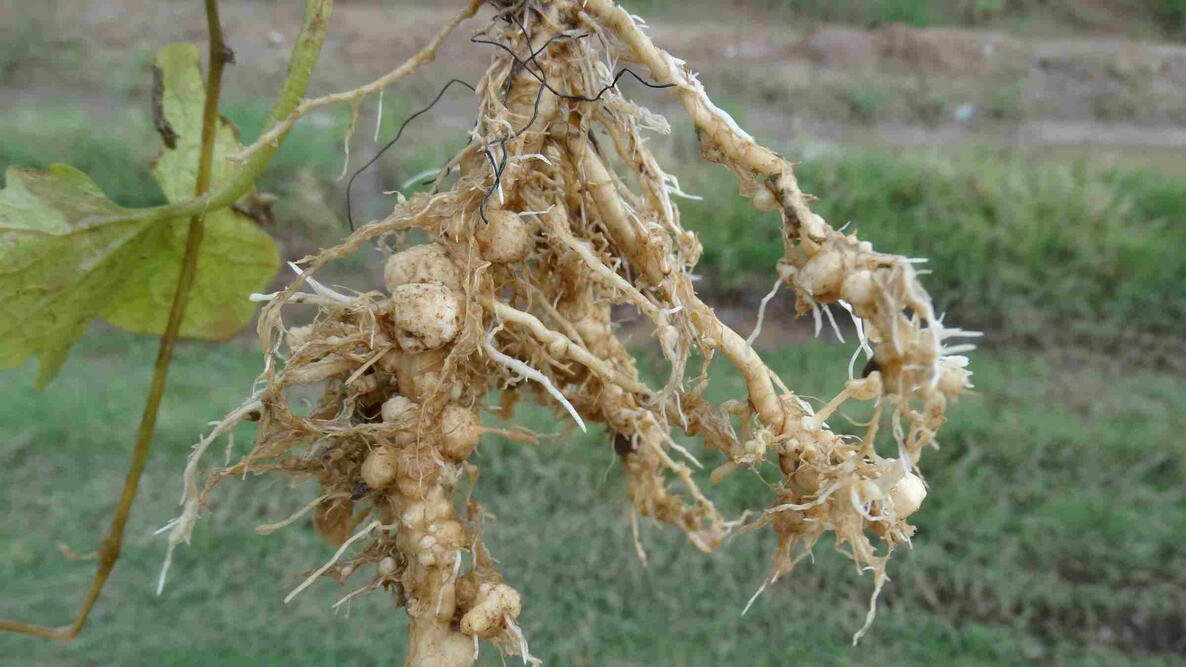
Caption
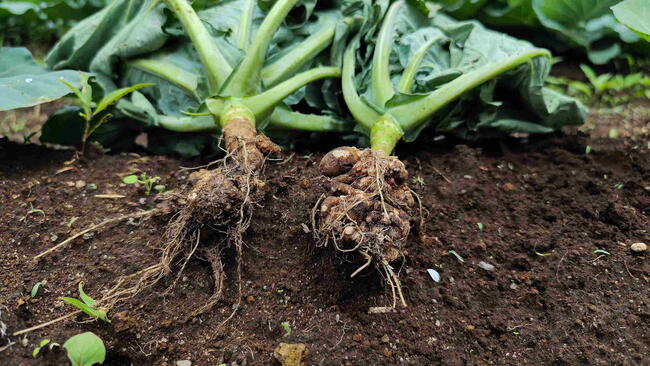
Root-knot nematodes cause swollen, knotted roots that weaken plants from below ground.
Too small to see, yet causing huge problems, root-knot nematodes are an unseen problem lurking beneath the surface, attacking many of our favorite garden crops and flowers. But there are actions you can take to minimize the problem.
What are Root-Knot Nematodes?
Root-knot nematodes are microscopic roundworms and plant parasites in the genus Meloidogyne. They are soil microorganisms found worldwide, especially in areas with short winters and warm summers, such as the US Southeast.
Gardeners hear the word nematode and instantly think bad thoughts, but most nematodes are actually beneficial, feeding on bacteria, fungi, and even other nematodes. However, root-knot nematodes and a few other plant parasitic nematodes feed on live plants. That’s where we butt heads. Root-knot nematodes infect and damage the plant’s root system, impairing its ability to absorb nutrients and water from the soil and transfer that to the rest of the plant.
Worldwide, more than 90 species of root-knot nematodes attack over 2,000 plant species. They get their name from the characteristic swelling in the roots, which forms abnormal growths resembling galls or knots.

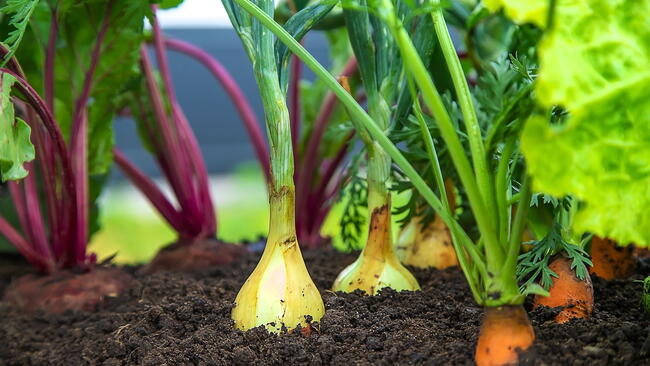
While infection may kill young plants, older plants may survive but typically exhibit symptoms of root disease and have decreased yields. In our gardens and yards, root-knot nematodes are particular problems for tomatoes and peppers, root crops like beets and carrots, squash, cucumbers, and even peas and lettuce. They are also common pests of begonias and impatiens.
Root-Knot Nematode Lifecycle
Root-knot nematodes hatch from eggs as juveniles and move through the soil near plant roots. They invade susceptible plants by entering through the roots, where they begin feeding.
As they wiggle inside the root and start feeding, the nematodes release chemicals that cause the plant to form swollen, knotted growths. These abnormal roots provide the nematodes with even more food.
Female nematodes continue laying eggs even after the above-ground portion of the plant is harvested. In colder climates, they survive the winter primarily as eggs and become active again in late spring as soil temperatures warm.
Root-knot nematodes are mostly inactive in cool soil below about 60°F. Their activity increases significantly once soil temperatures rise above 70°F.
Identification
How to Identify Root-Knot Nematode Damage
Because root-knot nematodes are too small to see, gardeners identify them by the damage they cause—especially by inspecting the roots of struggling plants. If you suspect nematodes and want confirmation, contact your local Extension office. Many state universities can test samples for a small fee.

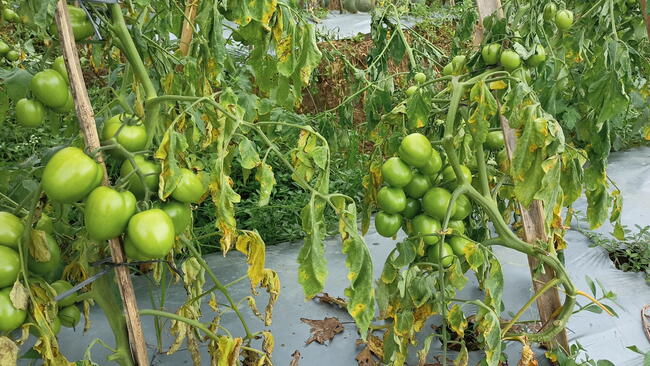
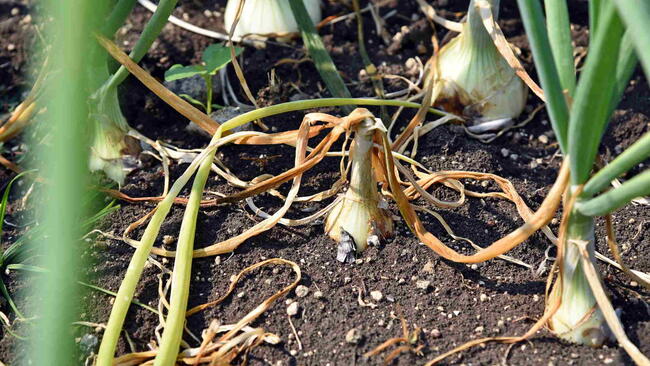
Above ground, nematode damage often looks like drought stress. Plants may appear stunted, wilt even when soil moisture seems adequate, or exhibit yellowing and nutrient-deficiency symptoms despite fertile soil or recent fertilizer applications.
Another clue is uneven damage. Symptoms often appear in patches rather than across an entire bed. This pattern helps distinguish root-knot nematodes from watering or fertility problems, which usually affect plants more uniformly.
Control and Prevention
How to Get Rid of Root-Knot Nematodes
Root-knot nematodes are difficult to eliminate completely, but gardeners can reduce their impact. Planting resistant varieties, rotating crops, and improving soil conditions can significantly lower nematode damage over time.
- Crop rotation can be challenging in small gardens, but it is often effective against root-knot nematodes.
Because these pests move very little in the soil, planting even a few feet away from last year’s problem area can help. If space allows, rotating susceptible crops on a three-year rotation can reduce nematode populations.
- Planting resistant varieties is another important strategy.
Resistant plants are not immune, but they suffer less damage and are more likely to produce a harvest even when nematodes are present.
Many seed catalogs and Extension publications identify varieties resistant to root-knot nematodes, especially for crops like tomatoes and peppers. See a chart of resistant varieties from the U of North Carolina Extension.
- Improving soil health is the third key strategy for managing root-knot nematodes.
Adding generous amounts of compost and working it into the soil improves soil structure and encourages beneficial microorganisms that help suppress plant-parasitic nematodes.
Pull up and discard the roots of heavily infected plants. Do not compost them, and take care not to spread contaminated soil to healthy areas of the garden.
- In severe cases, repeated tilling during hot summer weather can bring root-knot nematodes to the surface where they are dehydrated by the sun.
Tilling several times, about ten days apart, reduces their numbers. Because excessive tilling can harm soil structure, this approach is best used sparingly.
- Soil solarization can reduce populations of root-knot nematodes as well as other soil-borne pathogens. This method uses clear plastic to trap heat in moist soil during the hottest part of summer.
Although solarization temporarily reduces beneficial soil organisms, research shows they rebound quickly—especially when organic matter is added afterward.
What About Marigolds for Nematode Control?
Marigolds are often recommended for nematode control, but the reality is more complicated.
Research shows that marigolds can reduce root-knot nematodes only when grown as a dense cover crop—not when planted as a few border plants. Different marigold species also vary in their effectiveness.

To suppress nematodes, marigolds must be planted tightly and grown for at least two months. The plants are then tilled into the soil before planting a susceptible crop. For gardeners interested in this approach, the University of Florida Extension provide detailed guidance.


Comments