Earwig Pest Guide: How to Identify, Control, and Prevent Them

Caption

Learn how to get rid of your earwigs or pincher bugs with these tips.

Subhead

Tips for Keeping Earwigs Out of Your Home and Garden

Written By: Catherine Boeckmann Executive Digital Editor and Master Gardener

Earwigs? Ew! Don’t worry—these menacing-looking insects don’t have a thing for ears (or wigs). However, they will target your garden plants. Also known as pincher bugs, earwigs can infiltrate both homes and gardens. This guide will help you identify them, recognize damage, control infestations, and prevent them from coming back.

While their pincers look intimidating, earwigs are generally considered nuisance pests rather than serious threats. While their pincers look intimidating, earwigs are generally considered nuisance pests rather than serious threats. As Iowa State University Extension explains, “They may forage among organic debris and mulch, but they’re generally considered minor pests of vegetables, fruits, and ornamentals.”

Here, we’ll show you how to get rid of earwigs and—just as importantly—how to prevent them, all while maintaining your garden’s natural balance.

Tips for Keeping Earwigs Out of Your Home and Garden

Keeping earwigs away starts with making your environment less inviting. Here’s how:

  • Remove hiding spots: Clear mulch, fallen leaves, and debris where earwigs can hide.
  • Create dry zones: Move mulch and plant material at least a few inches from your house foundation.
  • Check items before bringing them inside: Laundry, houseplants, lawn furniture, and firewood can carry earwigs indoors.
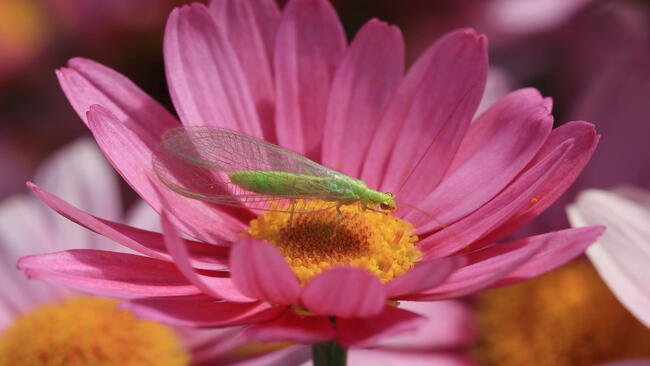
  • Encourage natural predators: Birds, toads, and some beneficial insects will eat earwigs.

By taking these steps, you’ll reduce the chances of a surprise infestation in your garden or home.

close-up image of an earwig on a green leaf,
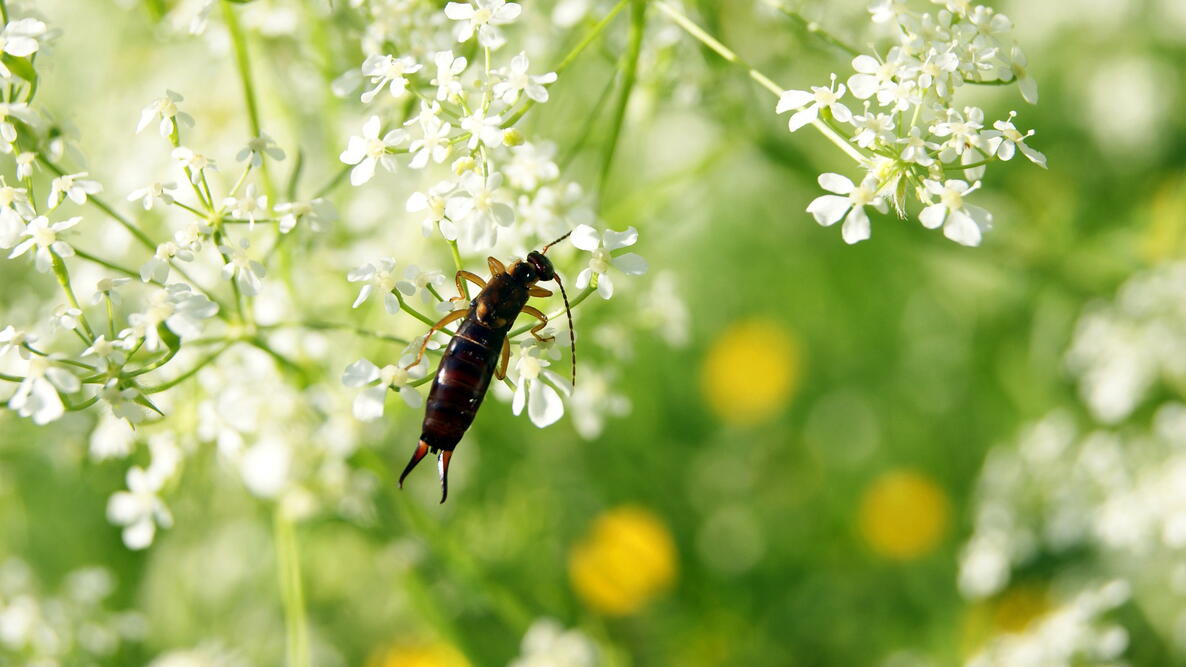
Earwigs (Forficula auricularia) are non-native, invasive pests. Credit: Mario Deambrogio

Do Earwigs Pinch?

The pincers at the end of an earwig’s abdomen look rather formidable. They are capable of pinching (and sometimes biting) humans, but the pinch is not particularly powerful. Earwigs usually use their pincers to ward off enemies like toads and birds, or—in some species—to catch prey.

The pincers, called “cerci,” are also important for romance. Attached at the insect’s abdomen, they are indicators of gender, like tusks on an elephant. A male earwig’s pincers are long and curved, while a female’s are shorter and straighter. 

Identification

How to Recognize Earwigs and Pincher Bugs

Earwigs, also called pincher bugs, are a relatively small group of insects that belong to the Order Dermaptera and have been around for over 200 million years. Nearly 2,000 species exist worldwide, though they are rare in polar regions. The term “earwig” comes from Old English ear wicga (“ear wiggler”), based on the myth that they crawl into human ears. In France, they’re called “ear piercers” (perce-oreilles), and in Germany, “ear worms” (Ohrwürmer).

Key identification and facts:

  • About ¾ inch long
  • Reddish-brown body
  • Pincers (cerci) at the end of the abdomen — males’ are long and curved, females’ are shorter and straighter
  • Quick movers; rarely fly, though they have two sets of wings
  • Nocturnal; hide in dark, damp spaces during the day
  • Females care for their eggs until they hatch
  • Feed on decaying plants, vegetables, flowers, and occasionally other insects

Signs of Earwig Damage in Plants

  • Earwig feeding can be subtle at first, but look for these telltale signs:
  • Leaves with jagged edges and holes
  • Ragged flowers or tender greens
  • Small black pellet-like droppings
  • Damage often appears after rainy periods when earwigs move to dry shelters

Which Plants Are Affected

Earwigs mainly eat decaying plant material and wood, but they’ll also munch on living plants if they have the opportunity. Some of their common targets include:

  • Vegetables: Favorites are lettuce and celery, also cabbage.
  • Fruits: strawberries, tomatoes, and fruit trees
  • Flowers: roses, marigolds, and other garden ornamentals

Knowing which plants are most vulnerable helps gardeners monitor damage more effectively and take preventive measures.

Tip: Damage may look like slugs or snails, but earwigs don’t leave slime trails.
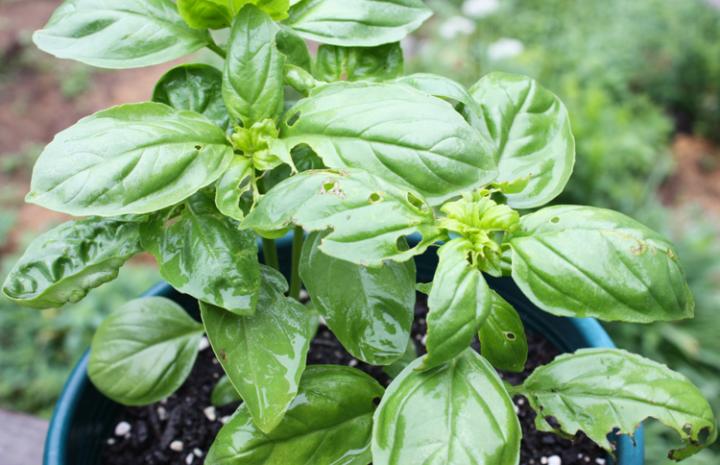
basil plant with earwig damage
Earwig damage involves jagged leaves with holes, which can be seen on this damaged basil plant. 
Photo Credit: Barbara Pleasant.​​​​​​

Control and Prevention

Safe Methods to Control Earwigs in Your Garden

Generally, earwigs are not as much of a threat to your garden as other pests, like Japanese beetles and aphids, though they can be as big an annoyance! They can also produce a foul odor when disturbed, so be aware of this. Try these remedies:

1. Traps

Lay bamboo sections, garden hoses, or rolled-up newspaper in the garden overnight. Check in the morning and dump earwigs into soapy water. Read more about making earwig traps.

2. Oil Pit Traps

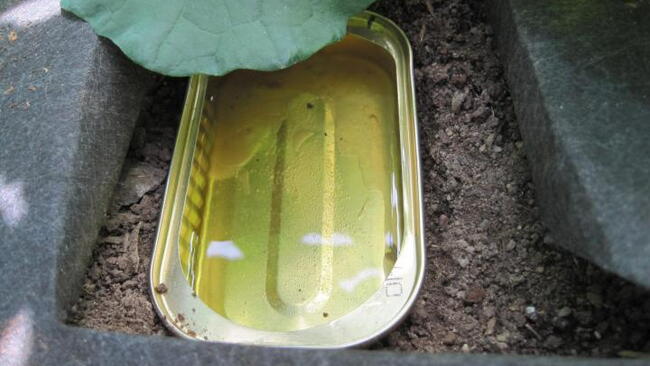
Mix equal parts soy sauce and vegetable or olive oil in a small container. Bury it so the top is near soil level. Earwigs are attracted and trapped in the oil.

3. Diatomaceous Earth (DE)

Sprinkle diatomaceous earth around plant bases in dry conditions. Avoid flowers to protect pollinators.

4. Alcohol Spray

Mix 70% isopropyl alcohol with water (1:1 ratio). Test on one leaf first. Spray directly on earwigs to kill them on contact.

5. Borax for Woodpiles

Sprinkle lightly around outdoor woodpiles, keeping pets and children away.

Earwigs vs. Other Garden Pests

PestSigns of DamageKey Differences
SlugsJagged leaves, slime trailsLook for shiny slime trail
SnailsHoles in leaves, slime trailsUsually larger holes
EarwigsJagged edges, tiny black pelletsNo slime, nocturnal feeders

How to Prevent Earwigs

The best way to deal with earwigs is to stop infestations before they start. Since these pests thrive in damp, cluttered spaces, prevention focuses on reducing hiding spots and moisture.

In the Garden

  • Clear debris: Remove piles of leaves, mulch, and plant matter where earwigs hide.
  • Space plants wisely: Avoid planting susceptible crops (lettuce, tender greens, or flowers) near dense ivy, hedges, or shaded walls.
  • Encourage predators: Birds and toads feed on earwigs. Consider adding birdhouses, birdbaths, or shaded spots to attract them. See our article on bird-friendly gardens.

Around the Home

  • Keep mulch back from foundations: Leave a strip of bare, dry soil around your house to discourage earwigs from moving indoors.
  • Check items before bringing them inside: Laundry, houseplants, firewood, and outdoor furniture can carry earwigs in.
  • Reduce indoor moisture: Seal cracks, repair leaky faucets, and keep basements dry with ventilation or dehumidifiers.
  • Vacuum strays: If earwigs wander indoors, simply vacuum them up. They’re a nuisance, not a danger.

Seasonal Tip: Expect more earwigs in rainy years, when damp conditions push them closer to plants and homes. Prepare by removing debris early in the season.

Frequently Asked Questions About Earwigs

Do earwigs really crawl into ears?
No. Despite the old myth, earwigs do not crawl into human ears or lay eggs in them. The name comes from Old English ear-wicga, meaning “ear wiggler,” likely inspired by their pincers and nocturnal habits.

Are earwigs harmful to humans or pets? Do their pinches hurt?
Earwigs can pinch with their forceps, but the pinch is not dangerous or venomous. They are more of a nuisance than a threat and do not spread disease.

Why are earwigs called pincher bugs?
Earwigs have prominent pincers (called cerci) at the end of their abdomen. These are used for defense, courtship, and sometimes capturing prey, which led to the nickname “pincher bugs.”

Do earwigs have any benefits in the garden?
Yes. Earwigs eat aphids, insect eggs, and other small pests. However, when their populations grow too large, they may damage tender plants, fruits, and flowers.

Have earwigs in your garden? Try these remedies and prevention steps — and let us know in the comments what worked for you!

About The Author
Catherine Boeckmann

Catherine Boeckmann

Executive Digital Editor and Master Gardener

Catherine Boeckmann is the Executive Digital Editor of Almanac.com, the website companion of The Old Farmer's Almanac. She covers gardening, plants, pest control, soil composition, seasonal and moon c...