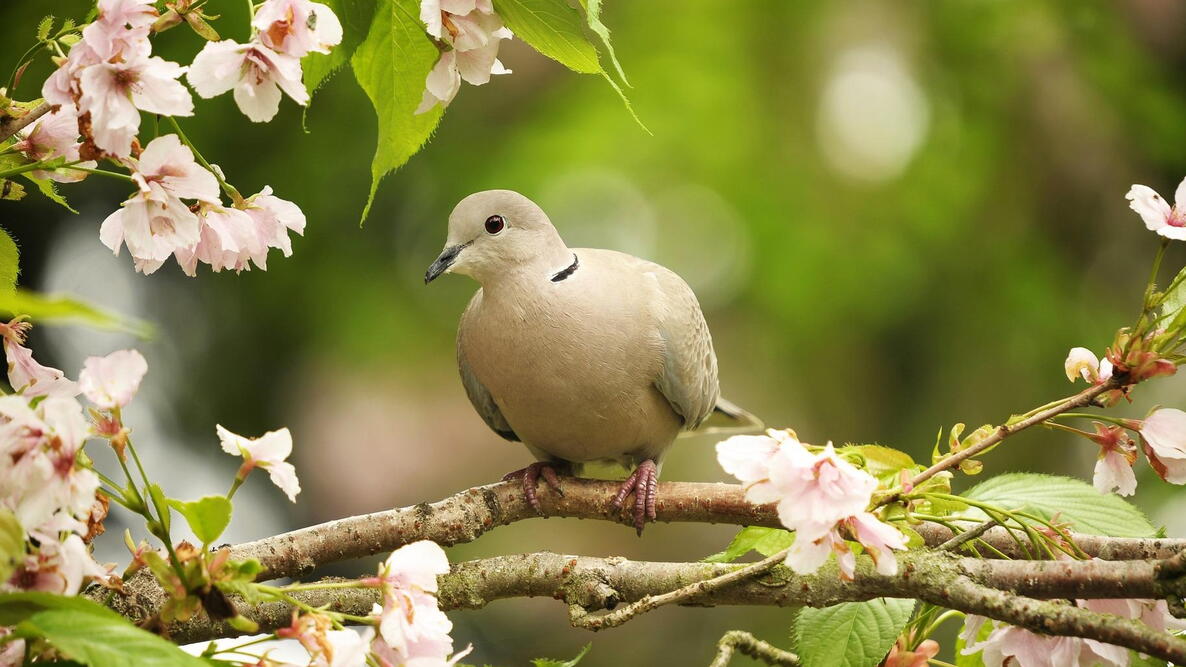

Imagine stepping into your backyard and being greeted by the cheerful chirps of chickadees, the bold laugh of a pileated woodpecker, and the bright flash of goldfinches darting among your plants. A garden designed for birds isn’t just beautiful—it’s a thriving ecosystem that helps control pests, spreads seeds, and brings a little extra magic to your outdoor space. With a few thoughtful touches, you can transform your yard into a welcoming haven for feathered friends all year round.
Making your garden bird-friendly takes more than just hanging a feeder or two. Here are seven tips for making your backyard more welcoming to birds.
Why Make Your Garden Bird-Friendly?
The Joy of Songbirds
Just being outside in the garden surrounded by birdsong is a wonderful way to spend the day. Listening to the chirping chickadees and loud laughing call of the pileated woodpecker while watching the goldfinches swoop from plant to plant gives me a restful break from the craziness of the world and reinforces an important connection to nature.
Birds as Natural Pest Controllers
Birds offer us some tangible help as well. A single swallow can eat hundreds of bugs in an afternoon. Many bird species are important predators of crop pests, while birds of prey will deal with any rodents. By inviting insect-eating birds to our yards, we can help reduce the pests that attack our gardens and us!
But our feathered pest-control squad can’t work if your garden doesn’t provide the habitat they need.

What Birds Need in the Garden
Take a look at your garden from a bird’s point of view. Here are seven tips:
- Water is very important to birds and wildlife. Birds both need to drink water and use water for washing their feathers (which helps them stay insulated). A bird bath is perfect, but you could use almost any type of bowl, such as an upside-down (clean) lid of a trash bin. Don’t let the water just sit there and get messy. Keep it fresh and top it up with warm water when you go out to the garden.
- For food, let’s start with berries, which many birds eat. Native trees like oak, cedar, birch, maple, choke cherry, and serviceberry are great choices. Red fruits seem to be a favorite. Plantings of ornamental crabapples and cherries, mulberry, holly, and mountain ash will draw flocks of birds to their flowers and berries. Just make sure you net your raspberries, or they may be taken, too!
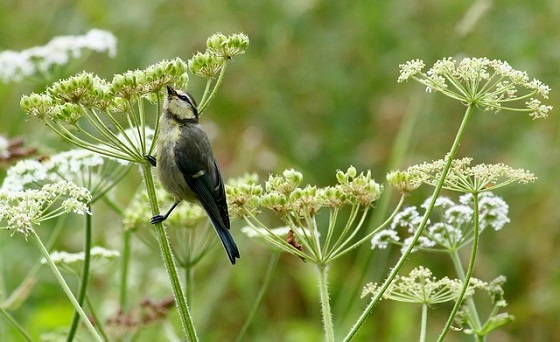
- Many perennial flowers are ideal for birdscaping. The way a plant presents its seeds is a good indicator of how easy it will be for birds to swoop in for a quick snack. Plants that have open-faced flowers or bloom on an upright stalk have seeds that are readily accessible.
- In addition to a ready supply of clean water, birds need places to hide and nest. Pine trees and densely needled conifers block the wind, supply cover in bad weather, and offer protection from predators. They become ideal nesting places in the spring. Native shrubs are especially attractive, offering food suited to the birds in your area and adding another layer of cover under taller trees. Small birds especially love dense shrubs and hedges where they can hide from predators. Thorny brambles, prickly roses, and hawthorn provide a safe haven for them to escape into, while ivy and other dense evergreens make great secluded nesting spots. See our list of best shrubs and trees for birds.

- In the late fall and wintertime, consider supplementing with bird food. Peanuts, sunflower seeds, and mixed seeds will all be appreciated by small birds in winter, but our go-to choice is fat balls or suet cakes. They’re high in saturated fat, which gives birds the energy they need to survive freezing winter temperatures. Avoid using fat balls that are sold in nylon mesh bags, as birds’ delicate feet and legs can become trapped. You can often buy fat balls loose in tubs or boxes of 50 or more, which works out much cheaper than buying half a dozen at a time.
- Instead of diligently deadheading every fading flower, allow seed heads to stand for the birds to eat. Let your yard grow a little wild to provide areas of shelter. Wait until late winter to clear away dead flowerheads and stems, or to prune berrying shrubs. This will ensure that birds have a variety of natural food sources to turn to. There’s simply no good reason to cut many perennials down before late winter.
- As long as they pose no danger to people or property, let dead trees stand. They give cavity-nesting birds a place to call home and provide insects and grubs for other birds to eat.

Birds will reward your efforts by helping to control insects, garden pests, and mosquitoes. By planting a variety of food sources for each season, you will create a year-round haven for our feathered friends and prove that gardening is really for the birds!
| Feature | Why It Matters | Tips & Examples |
|---|---|---|
| Water | Birds need fresh water for drinking and bathing | Use a birdbath, bowl, or shallow container. Keep water clean and unfrozen in winter. |
| Food | Provides energy, especially in winter | Plant native berry trees (oak, serviceberry, holly), use suet cakes, peanuts, or sunflower seeds. Avoid mesh fat balls. |
| Shelter & Nesting | Protects from predators and harsh weather | Dense shrubs, thorny brambles, evergreens, pine trees, and cavity-friendly dead trees. |
| Perennial Plants & Seed Heads | Natural food source | Let seed heads stand through winter; avoid cutting perennials too early. |
| Safe Habitat | Keeps birds healthy and reduces stress | Avoid pesticides; provide multiple layers of cover from shrubs to trees; leave dead wood standing if safe. |
Frequently Asked Questions
How do I make my backyard more bird-friendly?
Provide three essentials: water, food, and shelter. A clean birdbath, native plants with berries or seeds, and dense shrubs or trees for hiding and nesting will attract birds year-round.
What are the best plants to attract birds to my garden?
Native trees and shrubs are ideal, such as oak, cedar, maple, chokecherry, serviceberry, holly, and mountain ash. Perennial flowers with accessible seeds also help feed birds naturally.
How can I safely feed birds in winter?
Offer high-energy foods like sunflower seeds, peanuts, or suet cakes. Avoid nylon mesh bags, which can trap birds’ feet. Keep feeders clean and provide fresh water to prevent freezing.
Do birds really help control garden pests?
Yes! Many birds eat insects, larvae, and other pests, reducing damage to your plants. Birds of prey can also manage rodents, while insect-eating birds like swallows target flying insects.
Should I leave dead trees or seed heads for birds?
Absolutely! Dead trees provide nesting cavities and insects for birds to eat, while seed heads and late-season plants offer natural food sources through winter.
Can I attract birds without using feeders?
Yes! Planting native fruiting shrubs, trees, and perennials, providing water, and creating shelter can attract a wide variety of birds naturally, even without supplemental feeding.
How do I prevent predators from harming birds in my garden?
Plant dense shrubs and thorny hedges for cover, provide multiple hiding spots, and keep feeders away from areas where cats or other predators can easily reach.
What are some common mistakes in bird-friendly gardening?
Removing all dead plant material too early, neglecting water sources, and using pesticides can reduce bird visits. Let seed heads and shrubs stand through winter and avoid chemicals.
Ready to create a haven for feathered friends? Start by adding a birdbath, planting native shrubs, and leaving a few seed heads standing. Your garden will come alive with songbirds, help control pests naturally, and give you a peaceful spot to connect with nature.
Start planting for birds today—and watch your garden spring to life!
More Like This


Comments