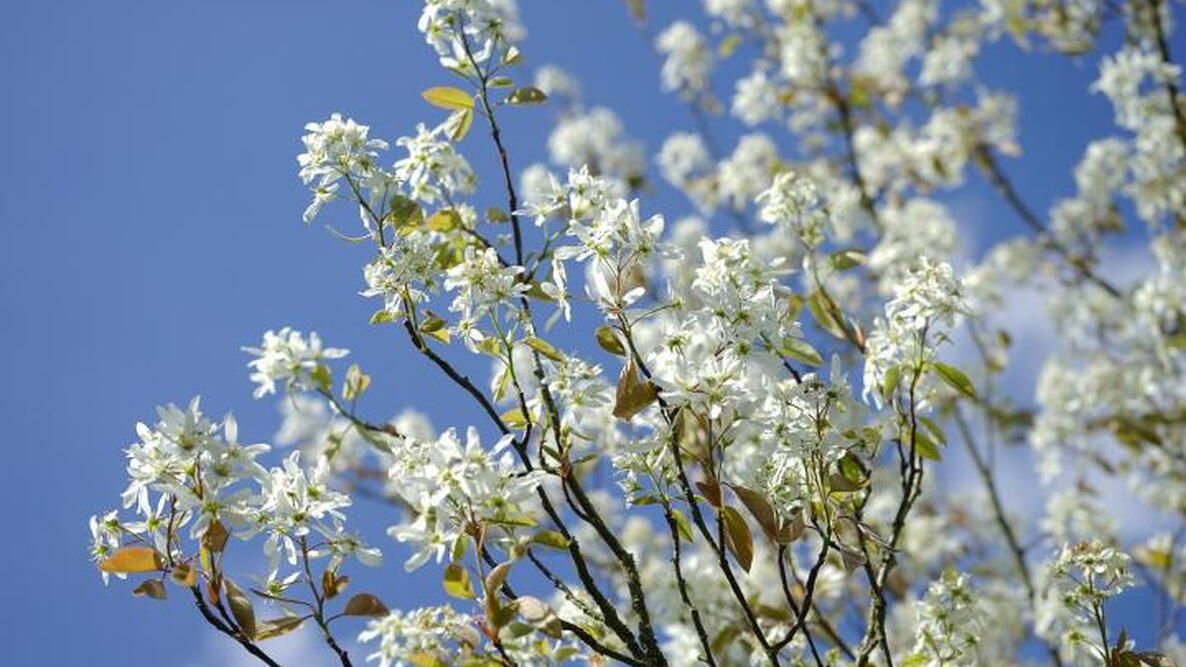

Spring is here, and garden centers are overflowing with beautiful flowering trees and shrubs just waiting to come home with you. From colorful hydrangeas to graceful serviceberries, the choices can feel overwhelming. How do you pick the right plant for your yard without making an expensive mistake?
The key is to start with your site—not the plant. By understanding your space, soil, sunlight, moisture, and climate, you can narrow down your options and choose a flowering shrub or tree that will thrive for years to come. Here’s how to select the perfect plant for your landscape this spring.
Consider Your Space First
Where are you planning to put this new arrival? It may be a cute little shrub right now, but in a few years, it could outgrow the space, and most trees get really big and are difficult, if not impossible, to move. Read the tags while shopping. They should tell you the mature height and width of the plant. If you have a small garden, look for dwarf cultivars that will fit your space.
Planting Tip: Always read the plant tag before buying. It tells you the mature size, sunlight needs, and hardiness zone—saving you time, money, and future transplanting.
Check the Location and Surroundings
Be aware of the surroundings. Power lines, septic systems, sidewalks and other paved areas, and buildings should be given a wide berth. Don’t plant a tree that will drip sticky sap or drop fruit where you park your car! Check with Dig Safe before digging any holes to be sure you don’t hit underground utilities.
Know Your Hardiness Zone
Before you fall in love with a plant, make sure it is going to survive in your area. Know your USDA Zone for both heat and cold. The plant tag should tell you which Zones are right for that plant.
Find your USDA Zone by using our Hardiness Zone Look-up Tool.
Test Your Soil Before Planting
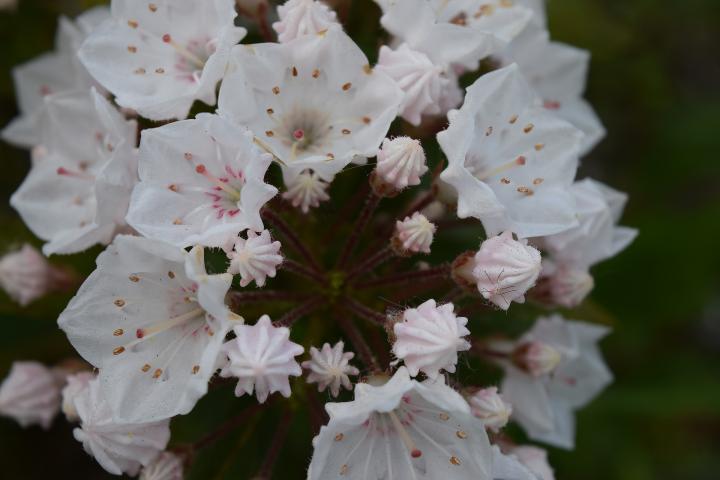
Is your soil sandy, clay, or loam? A soil test will tell you what nutrients may be lacking. Check the pH; some plants like sweet soil with a pH of 7 or above, while others prefer it more on the acidic side. Some shrubs that like acidic soil are: heather and heath, enkianthus, fothergilla, redbud, gleditsia, holly, cotoneaster, hibiscus, kerria, physocarpus, and mountain laurel.
Match Plants to Moisture Levels
Is the location wet or dry? A soggy spot will be a certain death to a plant that doesn’t like wet feet, while another will naturally thrive in a wet location. A few shrubs that like wet soil are aronia, calycanthus, clethra, Virginia sweetspire, and viburnum dentatum. Some trees that do well in a moist location are red maple, river birch, black gum, pin oak, and salix. Some shrubs are more suited to dry soil, such as physocarpus, potentilla, spirea, cotoneaster, beautybush, sumac, and bayberry. There are trees that are right for a dry site, including northern catalpa, honey locust, Kentucky coffeetree, white oak, bur oak, and silver linden.
Choose Plants Based on Sunlight
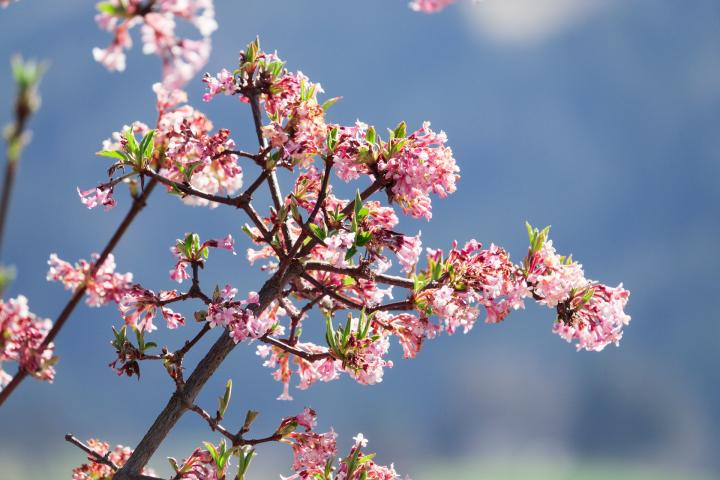
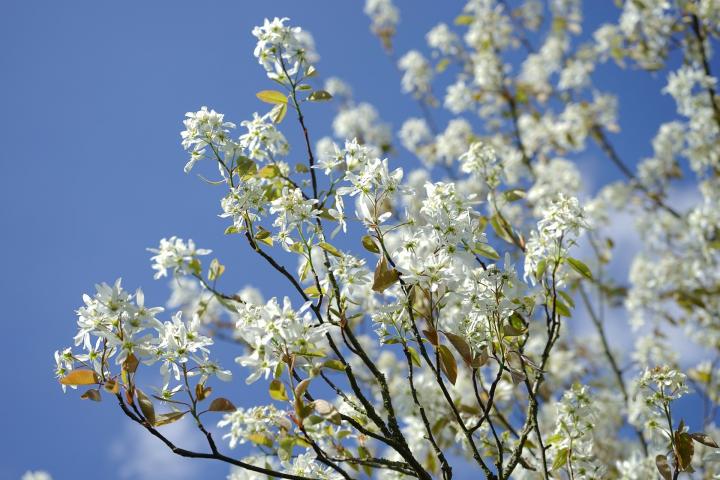
Sun exposure is most important. A plant that prefers full sun is not going to perform well in the shade. Some shrubs that do well in a spot that gets only a half day of sun or less are forsythia, magnolia, rhododendrons, mock orange, fothergilla, witch hazel, Virginia sweetspire, mountain laurel, kerria, viburnums, and oakleaf hydrangea. Some trees suited for part shade are redbud, pagoda dogwood, Cornelian cherry, and serviceberry.
Now that the specifics of the site have narrowed your search for the perfect plant, let’s look at the plants themselves:
Think About Plant Shape and Growth Habit
Do you want a mounded shrub or one that spreads its limbs wide, a lollipop-shaped tree or one with an open vase-like look? You can prune a plant to have whatever shape you desire, but that will take work each year to maintain. It is better to choose something that has the shape you want naturally.
Watch for Pests and Disease
Avoid plants that are known to be disease-prone or look for resistant cultivars. If a certain insect is a problem in your area, don’t plant more food for it to decimate! In my area, the viburnum leaf beetle has killed many of the native viburnums, while the non-natives, such as Korean spice and doublefile, are not on the menu. Deer, rabbits, and porcupines love to eat bark and tender new branches. If they are a problem in your area, make sure to protect your newly planted shrubs and trees.
Choose Native Plants When Possible
Other than the instance involving the viburnum leaf beetle above, it is always better to choose the native plant over the non-native. The native will be providing valuable nourishment and shelter for birds, bees, native pollinators, and other beneficial insects.
Flowering Shrub Quick Selection Guide
Here are a few of our favorite flowering shrubs, along with their sun requirements, soil preferences, and moisture needs (as well as a quick note about why we love them).
| Shrub | Sunlight | Soil Type | Moisture Needs | Best Feature |
|---|---|---|---|---|
| Lantana | Full sun | Well-draining | Dry to moderate | Long summer blooms, attracts butterflies |
| Mexican Petunia | Full sun to part sun | Average soil | Moderate to wet | Easy-care, continuous color |
| Blue Anise Sage | Full sun to part sun | Well-draining | Moderate | Hummingbird and pollinator favorite |
| Mountain Laurel | Part shade | Acidic soil | Moist, well-draining | Beautiful spring flowers for shade |
| Beautybush | Full sun | Average soil | Moderate | Pink bell-shaped flowers in late spring |
| Viburnum | Full sun to part shade | Average soil | Moist | Flowers and berries for wildlife |
| Fothergilla | Full sun to part shade | Acidic soil | Moist | Spring blooms and fall color |
| Spirea | Full sun | Well-draining | Dry to moderate | Low maintenance and long bloom |
| Virginia Sweetspire | Full sun to part shade | Moist soil | Wet to moderate | Great for wet areas and fall color |
| Cotoneaster | Full sun | Well-draining | Dry | Tough and drought tolerant |
| Potentilla | Full sun | Sandy or average soil | Dry | Summer-long flowers |
| Bayberry | Full sun | Sandy soil | Dry | Native shrub, great for coastal areas |
Read more about the Best Flowering Shrubs and Trees.
Frequently Asked Questions
How do I choose the right flowering tree or shrub?
Start by evaluating your space, soil, sunlight, and hardiness zone, then choose plants that naturally thrive in those conditions.
What is the most important factor when planting shrubs?
Sunlight and soil conditions are the most important because they directly affect plant growth and flowering.
Should I choose native flowering shrubs?
Yes. Native plants support pollinators, birds, and beneficial insects and often require less maintenance.
How far should shrubs be planted from a house?
Most shrubs should be planted at least half their mature width away from structures to allow proper growth.
When is the best time to plant flowering shrubs and trees?
Spring and fall are ideal because cooler temperatures help roots establish before summer heat or winter cold.
It pays to plan before you plant. Happy shrub and tree shopping!
More Like This

Comments