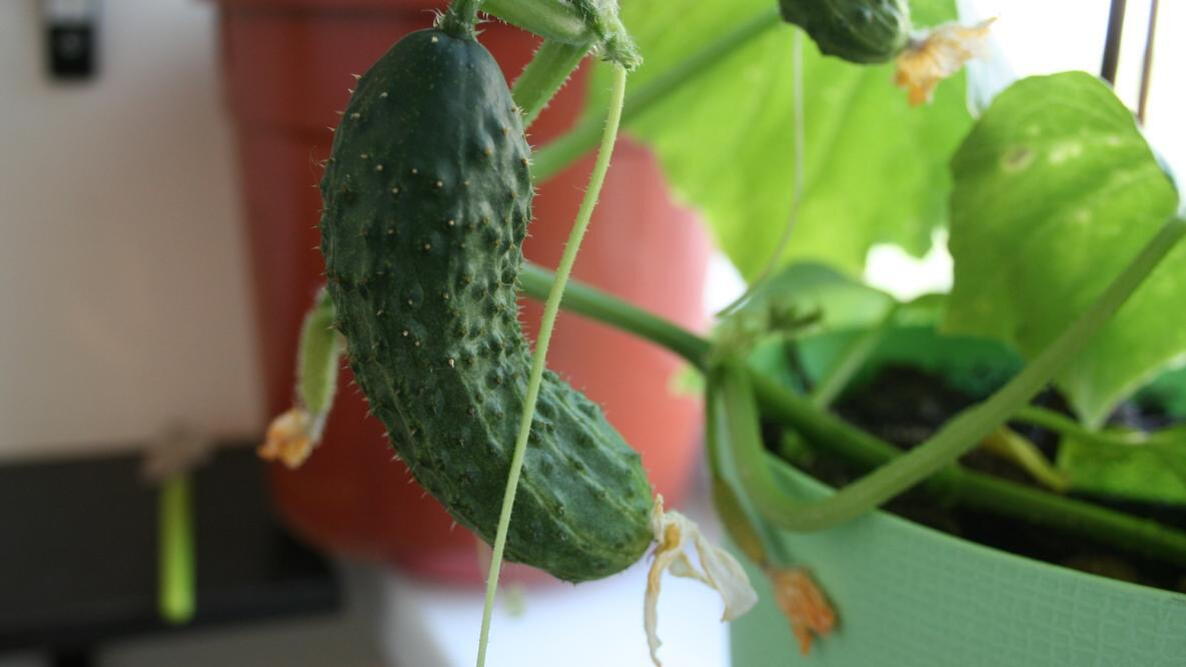

Yes, you can grow cucumbers in containers! With a large enough pot, plenty of sun, and consistent watering, container-grown cucumbers can be just as productive as plants grown in the garden.
Although many gardeners grow cucumbers in garden beds, I’ve had some of my best cucumber harvests from containers. One surprise? Container-grown cucumbers often experience fewer pest and disease problems because you’re starting with clean potting mix and have more control over the growing environment.
Tips for Growing Cucumbers in Containers
1. Choosing the Right Container
Choose a container that is at least 10 inches deep and 12 inches wide. Larger containers are even better, especially for vining cucumbers, which produce more fruit when given plenty of room for their roots.
- Bush-type cucumbers generally grow well in 5-gallon containers.
- Vining cucumbers perform best in containers that hold 10 gallons or more.
- Containers should have drainage holes in the base to prevent waterlogged roots.
Compared to many vegetables, cucumbers grow quickly and can become surprisingly large. Roomy pots help support healthy root growth and prevent plants from becoming top-heavy and tipping over.
Grow only one bush cucumber per container. If you’re growing vining cucumbers on a sturdy trellis, larger containers can support multiple plants.
Ceramic pots, terracotta planters, plastic containers, barrels, buckets, and fabric grow bags can all work well for cucumbers as long as they are sturdy and appropriately sized.
I like to grow cucumbers in 10-gallon grow bags because they provide plenty of root space while making it easier to manage watering and drainage. Containers of this size are large enough to accommodate one bush-type cucumber or up to three vining cucumbers grown on a sturdy trellis.
Tip: You can grow cucumbers in even larger containers if you want to, but make sure the containers are made of food-safe materials and have drainage holes.
New to growing vegetables in pots? Read our Container Gardening for Beginners Guide for more tips on choosing containers, watering plants, and maximizing harvests in small spaces.

2. Best Cucumber Varieties for Container Gardening
Almost any cucumber can be grown in a container, but after years of growing cucumbers in pots, I’ve found that some varieties are much easier to manage than others.
If you’re new to container gardening, start with a bush-type cucumber. These compact plants stay smaller, require little or no trellising, and are ideal for patios, balconies, and other small spaces.
Vining cucumbers can also grow very well in containers, but they produce long vines that need a sturdy trellis or support system. In return, they often provide larger harvests over a longer period of time.
Some of my favorite compact cucumber varieties for containers include:
- ‘Spacemaster’
- Parisian Gherkin (‘Parisian Pickling’)
- ‘Bush Champion’
- ‘Little Leaf’
- ‘Bush Crop’
- ‘Bush Slicer’
If you have room for a larger container and trellis, don’t overlook vining cucumbers. Varieties such as ‘Lemon,’ ‘Picolino,’ and ‘National Pickling’ can be extremely productive in pots and often provide a longer harvest season than bush types.
Vining cucumbers are perfectly suited to container growing as long as they have something to climb. Their vines can easily reach 6 feet or more, so be sure to install a trellis, netting, or another sturdy support system at planting time.

| Variety | Type | Fruit Size | Features |
|---|---|---|---|
| Bush Champion | Bush | 8- to 12-inch | Compact and resistant to cucumber mosaic virus. |
| H-19 Little Leaf | Bush | 3- to 5-inch | Compact, multi-branching plant that needs no pollination. |
| Parisian Gherkin | Bush | 2- to 4-inch | Good pickler and resistant to cucumber mosaic virus. |
| Salad Bush | Bush | 8-inch | Resistant to cucumber mosaic virus, powdery mildew, and scab. |
| Picklebush | Bush | 4- to 5-inch | Good pickler and resistant to cucumber mosaic virus. |
| Spacemaster 80 | Bush | 7 1/2-inch | Resistant to cucumber mosaic virus, downy mildew, powdery mildew, and scab. |
If you can’t find these specific varieties, look for cucumbers described as “Bush,” “Compact,” or “Patio” types. These cultivars have been bred for smaller spaces and are usually the easiest cucumbers to grow in containers.
See our guide to the more cucumber varieties for slicing, pickling, and fresh eating.

3. Preparing the Soil and Potting Mix
Cucumbers are heavy-feeding plants that need rich, fertile soil to grow well. However, standard garden soil is not the best choice for container-grown cucumbers.
While garden soil works well in the ground, it’s usually too dense for pots and planters and may harbor pests and diseases. Many of the diseases that affect cucumbers are soil-borne, so starting with a fresh potting mix gives plants a healthier foundation.
Instead of filling containers with garden soil, use a high-quality potting mix or raised-bed mix designed for edible plants.
I like to grow my cucumbers in a mixture of two parts potting mix to one part compost. I will sometimes blend some worm castings or a slow-release organic fertilizer before planting to give young plants a steady supply of nutrients.

4. Planting Cucumbers in Containers
Cucumbers are warm-weather crops, so wait until about 2 weeks after your last spring frost date to plant. They grow best when soil temperatures are at least 60°F and nighttime temperatures remain consistently above 50°F.
Don’t rush the season. Planting too early can stunt seedlings or kill young plants if cold weather returns.
Place containers in a location that receives at least 6 to 8 hours of direct sunlight each day before planting.
- Fill containers with potting mix blended with compost, leaving about 1 inch of space below the rim.
- Plant 2 to 3 cucumber seeds per container, burying the seeds about ½ inch deep.
- Water thoroughly after planting.
Tip: Once seedlings emerge, thin out the weakest plants so you’re left with the strongest cucumber seedling. In large containers, you can keep multiple vining cucumbers if they have enough space and a sturdy support system.
If you’re growing a vining variety, add a trellis for climbing—or an other support system at planting time. Waiting until vines are established increases the risk of damaging roots and stems.
In most regions, cucumbers reach harvest size in about 40 to 60 days, making them one of the quickest and most rewarding vegetables to grow in containers.

5. Watering
Cucumbers need consistent watering, and lots of it, to grow and fruit properly. Their fruit can become bitter or hollow if the plants are watered minimally or irregularly. For proper growth, water cucumbers whenever the top 1 inch of soil feels dry to the touch. This may be up to once a day during hot summer weather!
Keep your soil moist (don’t let the pots dry out), or the soil will pull away from the sides of the container, and when you water, it will just run off and not soak in.
Mulching the top of the pot helps reduce moisture loss and keeps shallow cucumber roots cooler during hot weather.
6. Fertilizing
Container-grown cucumbers need more water than garden plants, but they also need more fertilizer. Frequent watering gradually washes nutrients from potting mixes, which means container-grown plants can run out of food faster than cucumbers grown in the ground.
I like to feed my cucumbers by blending compost and a slow-release organic fertilizer into their potting mix at planting time. Then, I apply a monthly dose of diluted liquid kelp, fish emulsion, or compost tea.
You can use other organic or synthetic fertilizers on cucumbers as well, but be sure to follow package directions carefully. Too much nitrogen can cause plants to produce lots of leaves but fewer flowers and fruits.

7. Harvesting Cucumbers
This is the best part! Cucumbers grow quickly, and once production starts, you’ll often find new fruits ready to harvest every few days.
Pick cucumbers while they are still small, firm, and tender. Don’t let them become oversized or overripe, or the plants will slow down production and direct more energy into seed development.
Regular harvesting is especially important when growing cucumbers in containers because you’re relying on a relatively small number of plants for your crop. I’ve found that picking every few days encourages plants to keep producing throughout the season.
If cucumbers become bitter, the most common culprit is inconsistent watering. Container-grown plants dry out much faster than garden-grown cucumbers, so maintaining evenly moist soil is one of the best ways to improve fruit quality.
Use a knife or pruners to harvest cucumbers rather than pulling them from the vine, which can damage stems and developing fruits.
After harvesting, rinse cucumbers with cool water and allow them to dry completely before storing. Most cucumbers will keep in the refrigerator for about 7 to 10 days.

Common Issues
Growing cucumbers in containers can reduce some pest and disease problems, but a few issues can still crop up from time to time:
- Poor harvest yields: Cucumbers may produce fewer fruits if they are planted too late, don’t receive enough sunlight, or are not watered and fertilized consistently. These plants also rely on pollinators for good fruit set, so growing flowering herbs and annuals nearby can help attract more bees and beneficial insects.
- Wilting plants: Container-grown cucumbers can wilt quickly during hot weather because pots dry out faster than garden soil. Check moisture levels regularly and water whenever the top inch of soil feels dry.
- Pests and diseases: Aphids, cucumber beetles, squash bugs, slugs, and powdery mildew can still affect container-grown plants. Watering at the soil line, providing good airflow, and trellising vining cucumbers can help reduce disease pressure. Small pests can often be controlled with insecticidal soap, while larger insects are best removed by hand.
New to growing vegetables in pots? Read our Container Gardening for Beginners Guide for more tips on watering, feeding, and choosing the right containers.

More Like This

Comments