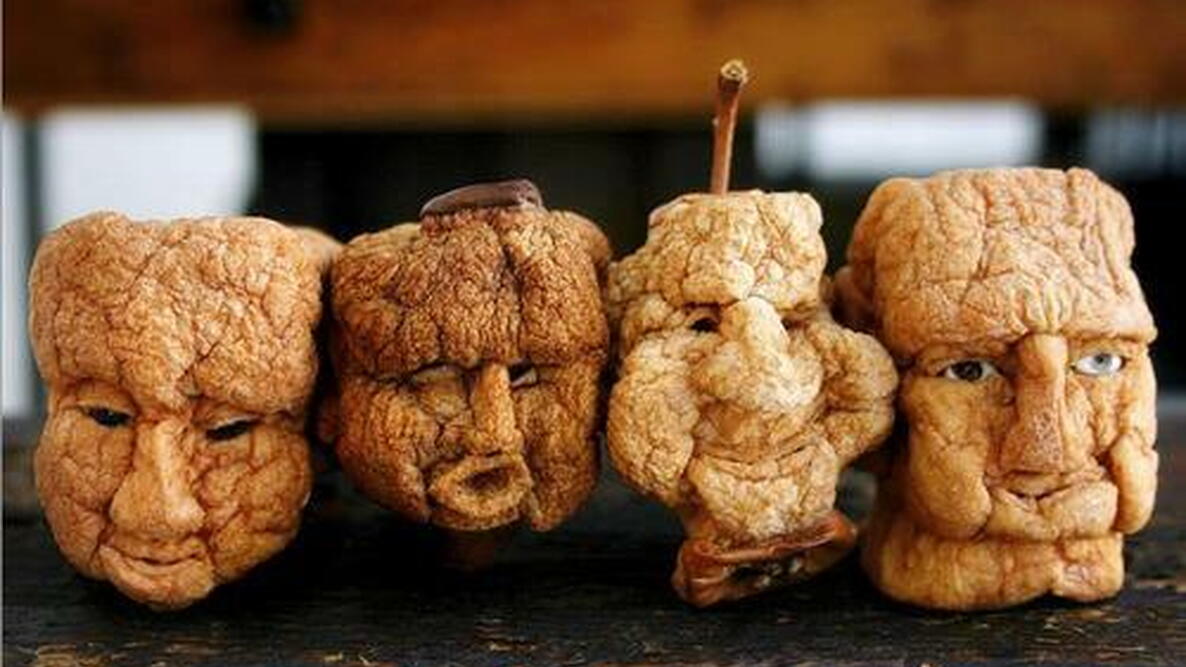

Carve Your Own Apple Heads with This Step-by-Step Guide

Primary Image

DIY Apple Head Dolls: Easy Autumn Craft for Halloween & Thanksgiving

Written By: Catherine Boeckmann Executive Digital Editor and Master Gardener
Body

During autumn, apples are aplenty in the orchard! Try out this fun fall craft to celebrate the season! The art of making apple heads is easy and fun! (And maybe a little creepy, too.) Follow these easy instructions for a creative fall craft.

What Is an Apple Head Craft?

An apple head craft is a fun and quirky fall project where you carve a face into an apple and then let it dry out into a shrunken, wrinkly “head.” As the apple dehydrates, the carved features become exaggerated, giving the head a spooky (and sometimes silly) personality. Traditionally, apple heads have been used as rustic Halloween decorations or even assembled into little dolls with fabric bodies. It’s an old-fashioned craft that kids and adults alike can enjoy—equal parts creative, seasonal, and a little creepy!

Best Apples to Use for Apple Heads

When making apple heads, the type of apple you choose matters. Since the apple will shrink as it dries, start with a large, firm variety to keep strong features once it’s finished. Here are some good choices:

  • Granny Smith – Firm texture holds up well during carving and drying.
  • Cortland – Large size makes them easy to work with.
  • Fuji or Honeycrisp – Dense apples that keep their shape and dry nicely.
  • Empire – Slightly tart and sturdy, great for carving details.

Tip: Avoid very soft or mealy apples, as they can collapse too quickly and lose their carved features. The firmer the apple, the more defined (and spooky!) your final head will be.

How to Make an Apple Head

This fall craft is perfect for September or October—just in time for Halloween and Thanksgiving!

  1. The apple will shrink, so start by choosing a large, firm one. We like Granny Smith apples for their firmness. plentiful
  2. Peel the apple first. (You can leave a little skin on the top.)
  3. Then, with a sharp knife, form the nose, make eye sockets, and cut a line for the mouth. You can “sketch” lightly first.
  4. Carve around the mouth to accentuate the cheeks, and make some lines around the eyes and on the forehead. Try to make the features super exaggerated because the apple will shrivel up.
  5. Soak the head in lemon juice for about 1/2 hour (so it doesn’t turn brown) before hanging it to dry.
  6. To dry in a warm climate, you could stake them on a skewer, but it will take a few days, which might encourage mold. The fastest way to dry them is to put them on a parchment-lined cookie sheet and set it in the oven on low heat (175°F). Keep an eye on them. A food dehydrator is another option.
  7. When the head is almost dry, add peppercorns or bean eyes—or raisins or cloves! Use your imagination to make some hair and a body to go with the head.

Frequently Asked Questions

How long does it take for an apple head to dry?

Drying time depends on your method. In a low oven (175°F), apple heads usually dry in 4–6 hours. Air drying can take several days to a week.

What are the best apples to use for apple heads?

Firm apples like Granny Smith, Honeycrisp, or Fuji work best because they hold their shape and carve easily.

How do you keep an apple head from molding?

Soak your carved apple in lemon juice before drying. Using an oven or food dehydrator also reduces the risk of mold compared to air drying.

Can kids make apple heads?

Yes! Apple head crafts are family-friendly. Adults should do the carving, but kids can decorate with peppercorns, raisins, or fabric scraps for hair and clothes.

What do you do with apple heads once they’re dry?

Apple heads make fun decorations for Halloween or Thanksgiving. String them into garlands, use them for spooky dolls, or set them out as rustic autumn décor.

Have you ever made an apple head? Tell us all about it!

About The Author
Catherine Boeckmann

Catherine Boeckmann

Executive Digital Editor and Master Gardener

Catherine Boeckmann is the Executive Digital Editor of Almanac.com, the website companion of The Old Farmer's Almanac. She covers gardening, plants, pest control, soil composition, seasonal and moon c...