Caption
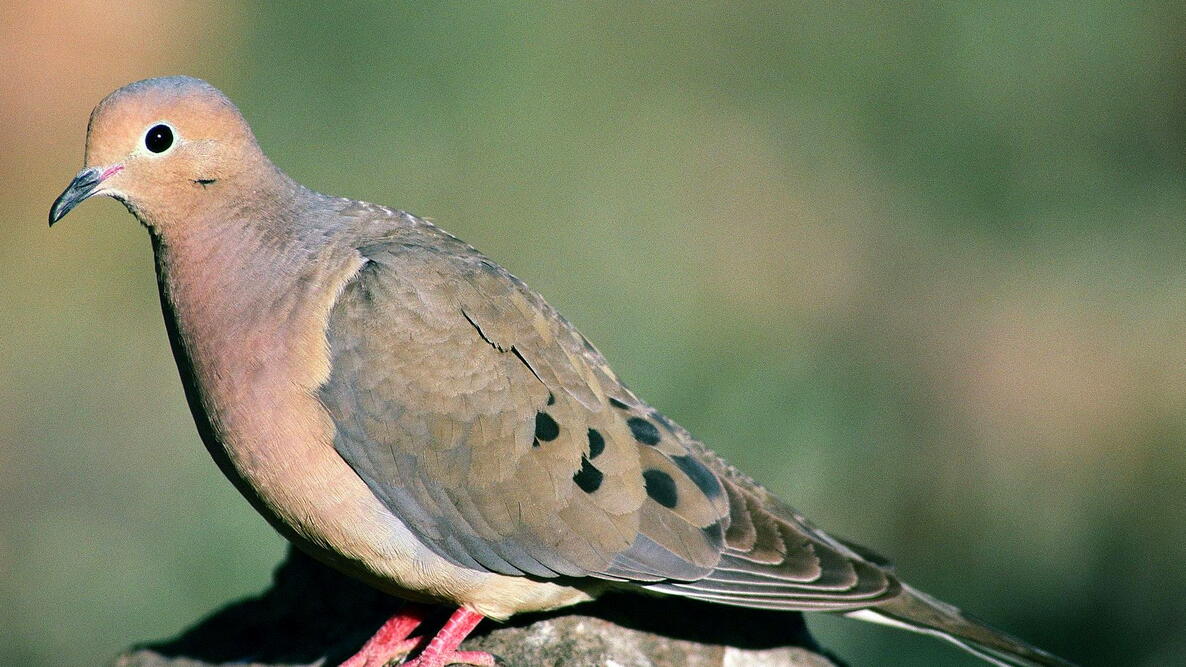
A mourning dove rests on a warm rock.

The mourning dove, with its soft coo and graceful flight, is a familiar sight and sound across North America. This gentle bird, found in backyards, parks, and open fields, holds a special place in the hearts of many. Whether you’re an aspiring birdwatcher or simply curious about these ubiquitous feathered neighbors, dive into the fascinating world of the mourning dove!
What is a mourning dove?
The mourning dove is a slender gray bird known for its soft cooing call, long tail, and graceful flight. It is one of the most common birds in North America.
How to Identify a Mourning Dove
Mourning doves boast an impressive population exceeding 350 million across the continent, making them the most abundant game bird and a common backyard visitor.
Look for their slender grey bodies, long tails, and the black spots adorning their wings. Their gentle cooing call is also a helpful identifier.

What Does a Mourning Dove Sound Like?
The mourning dove’s signature call, a mournful yet strangely comforting coo, is a familiar sound in backyards and natural areas. This vocalization plays a crucial role in attracting mates and defending territories.
How Fast Can Mourning Doves Fly?
Don’t underestimate these seemingly unassuming birds! Reaching speeds of up to 55 mph, mourning doves are swift fliers, capable of impressive bursts of speed during courtship displays and evading predators.

Where Do Mourning Doves Live?
These resourceful birds thrive in diverse habitats, from deserts to woodlands to urban parks. Their diet of seeds and grains allows them to flourish in a variety of environments.
Mourning Dove Symbolism and Meaning
Mourning doves have earned a place in folklore and traditions across North America. Native American tribes revered them as symbols of peace and hope, while their cooing often found its way into poetry and music.
How to Attract Mourning Doves to Your Yard
You can attract Mourning Doves to your garden by providing access to water sources and planting native seed-bearing plants like sunflowers and millet. Open platforms or ground feeders filled with seeds like safflower and corn will offer a tasty invitation.
Conservation and Habitat Concerns
While abundant overall, localized populations can face threats from habitat loss and pesticide use. Understanding these challenges and supporting conservation efforts helps ensure the future of this beloved bird.
Frequently Asked Questions
What does a mourning dove sound like?
Mourning doves make a soft, mournful cooing sound often heard in backyards and open fields.
Are mourning doves good to have around?
Yes! Mourning doves are peaceful backyard birds that help disperse seeds and add soothing natural sounds to gardens.
What do mourning doves eat?
They primarily eat seeds and grains, including sunflower seeds, millet, safflower, and cracked corn.
How do you attract mourning doves?
Provide ground feeders, fresh water, and native seed-bearing plants like sunflowers and millet.
What does seeing a mourning dove symbolize?
Many cultures view mourning doves as symbols of peace, hope, love, and remembrance.
Where do mourning doves nest?
Mourning doves often build simple nests in trees, shrubs, hanging baskets, or even building ledges.
Click here to listen to the sounds of other birds!
Have you heard a mourning dove? Add your comments below. Be sure to let us know where you live or where you’ve heard this bird sound before!

- « Previous
- 1
- 2
- …
- 10
- Next »

Comments