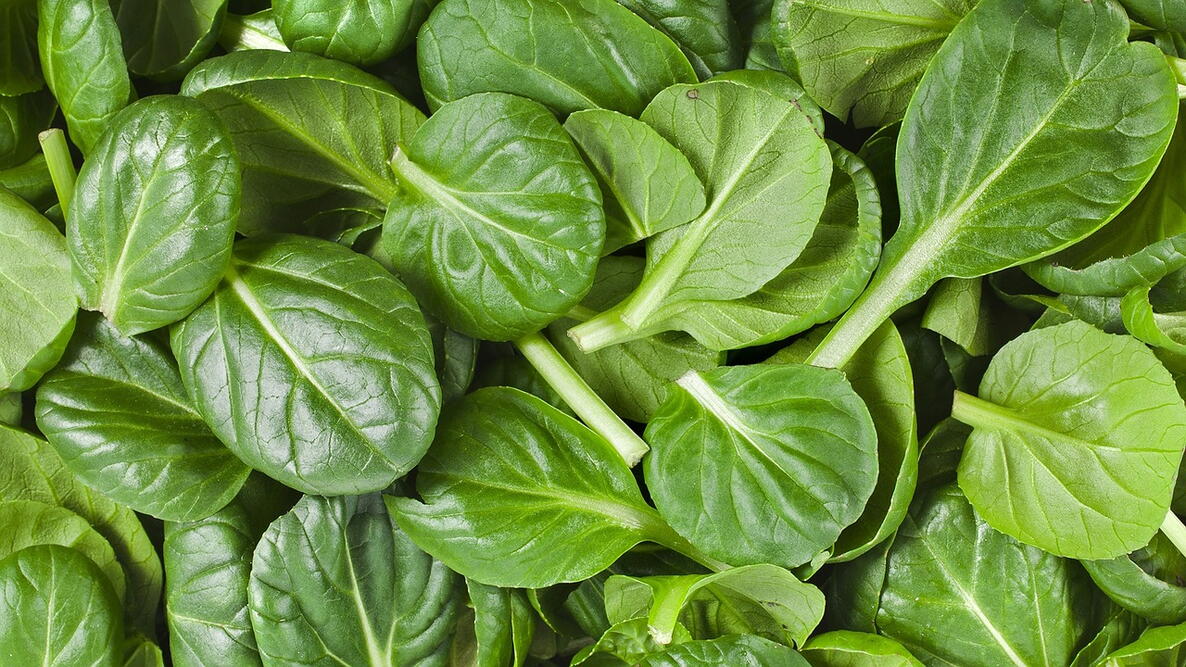

Fall isn’t just for pumpkins—it’s also the perfect season to grow cool-weather crops like spinach and lettuce. These fast-growing greens love crisp temperatures, making them some of the easiest and most rewarding vegetables to plant in autumn. Unlike spring spinach, which often bolts as soon as the weather warms, fall spinach and lettuce produce tender, flavorful leaves right up until frost.
In the north, we plant by early September; in the Midwest, last fall planting dates are mid-September; those in warmer climes might want to wait until the end of September when it cools down. In general, plant seeds about 2 months before your expected fall hard frost date. See the Almanac’s planting calendar for your zip code.
| Region | Last Planting Date for Spinach | Last Planting Date for Lettuce |
|---|---|---|
| Northern U.S. | Early September | Early September |
| Midwest | Mid-September | Mid-September |
| Southern U.S. | Late September | Late September |
The great thing about both spinach and lettuce is that they can be harvested in the fall, any time the leaves are large enough to use. And if you don’t mind some extra work, these two crops just might return to us in the spring.
.jpg)
How to Prepare Garden Beds for Fall Greens
While spinach and lettuce prefer full sunlight (8 hours a day), spinach and lettuce will also yield a good harvest with only 4 to 6 hours of sun.
Prepare the bed as usual. Spinach needs to be enriched with plenty of compost or other organic material, so add whatever soil amendments you (or your soils) prefer. Sprinkle it around the top. Use a broad fork or pitchfork to gently loosen the soil, then rake it flat.
Check to ensure that your varieties are ones that exhibit good cold hardiness for fall harvests and can withstand the winter. One good choice is “Space” spinach, which has dark green, round, spoon-shaped, almost smooth leaves that are still meaty enough for real flavor.
Then broadcast the seeds over the bed, which means planting them evenly throughout the area instead of just in rows. Cover with a nice dusting of old compost or manure. Water well.
Thinning and Caring for Spinach and Lettuce Seedlings
As with most seeds, you will need to keep the top of the bed wet until the seedlings appear. Check it at least twice a day, perhaps more often if it is hot and dry. If the soil is not kept consistently moist, the leaves will become bitter.
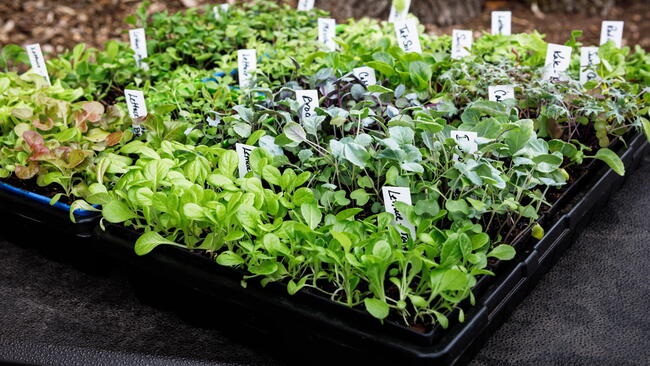
After several days, the plants will appear. When the seedlings are a couple of inches tall, thin first to 2 inches apart, then 4, and finally 6 inches, enjoying your tender thinnings in salads as you go. Basically, you thin and thin again as each seedling runs out of room to grow.
A layer of mulch around plants will conserve soil moisture and keep weeds down as well. Give your plants a dose of soluble fertilizer such as fish emulsion when they are about a month old.
How and When to Pick Fall Greens
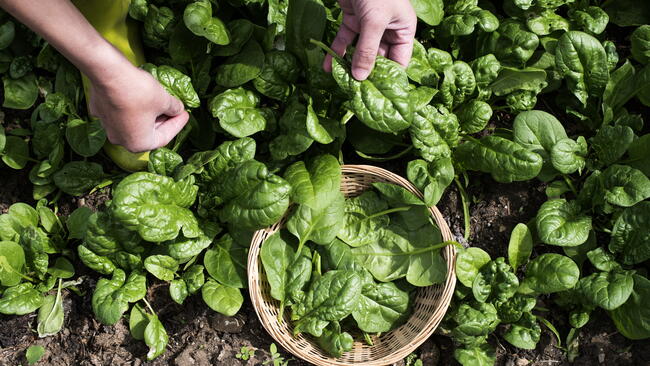
Once they reach the size of a soup spoon, you can harvest them and bring them inside to eat. Pick only some of the outer leaves, and your plants will continue to keep producing.
Fall spinach and lettuce are proof that gardening doesn’t have to end when summer does. With just a little planning, you can enjoy fresh, crisp greens right up to frost—and maybe even see them return in spring. Whether you’re after fast-growing salads, nutrient-packed leaves, or a reliable cold-weather crop, these greens deliver.
See the Almanac’s complete Guide to Growing Spinach and Guide to Growing Lettuce.


Fall Flowers and Foliage
Fall Vegetable Gardening
Fall Garden Cleanup
Garden Soil Preparation
Fall Nature
More Like This

Comments