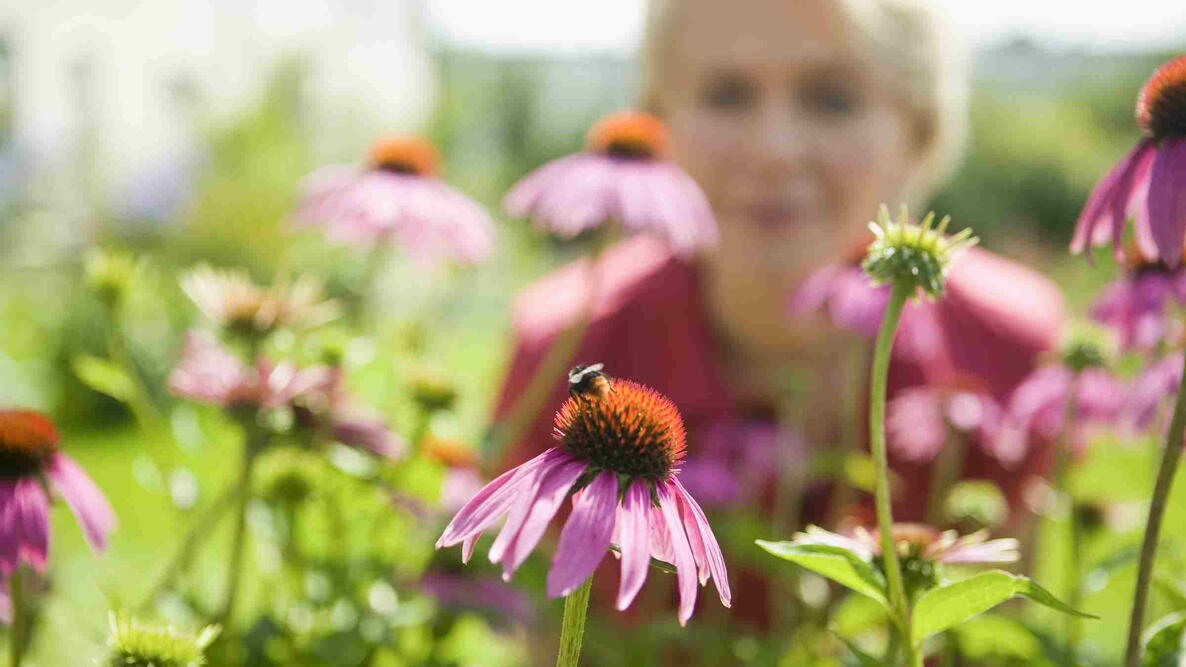
Caption
A bee on a coneflower! The right plants can bring a whole world of pollinators to your doorstep.

You don’t need experience—or a big yard—to create a pollinator garden. Just a few well-chosen plants, a bit of know-how, and a quick and easy DIY project or two can transform your garden into a pollinator paradise that’s irresistible to bees, butterflies, hummingbirds, and more.
I started gardening for pollinators years ago, and watching bees and other insects flitting around my garden quickly became one of my favorite pastimes. In this guide, I’ll share some of my favorite ways to help pollinators, a few of my must-have pollinator-friendly plants, and design layout and maintenance tips to suit any garden.

Fast Facts
- A true pollinator garden is more than flowers; it prioritizes mainly native plants that actually feed local pollinators—a mix of nectar- and pollen-rich blooms. It also provides continuous, season-long food and safe shelter.
- Beyond bees and butterflies, many other insects pollinate plants, including beetles, moths, wasps, and ants.
- Honeybees live in hives, but they’re actually native to Europe. Most native North American bees are solitary and live in the ground, plant stems, or old leaf litter.
- A single bumblebee can pollinate around 6,000 flowers each day!

What Is a Pollinator Garden?
Pollinator gardens are spaces specifically designed to meet the needs and preferences of pollinators. These spaces can vary in size and design, but they typically include a variety of food and sheltering plants that pollinators love and may also offer other pollinator resources, such as water. Pollinator gardens are also generally kept free of pesticides to ensure that any pollinators that visit stay safe.
While pollinator gardens have been growing in popularity for years, they are becoming increasingly more important for pollinator survival. Today, pollinator populations are declining due to habitat loss, climate change, and other stressors. But by offering food, shelter, and nesting sites, pollinator gardens can help to counteract habitat fragmentation and serve as waystations for migrating monarch butterflies and hummingbirds.
If you’re looking for ways to help pollinators, creating a garden with their needs in mind can do more than you might think. Even a few potted plants on a sunny front porch can help these incredible insects survive.

Planning a Pollinator Garden
Pollinator gardens can be as diverse as the plants you grow in them, but if you want these spaces to be as attractive to pollinators as possible, there are a few simple guidelines to keep in mind.
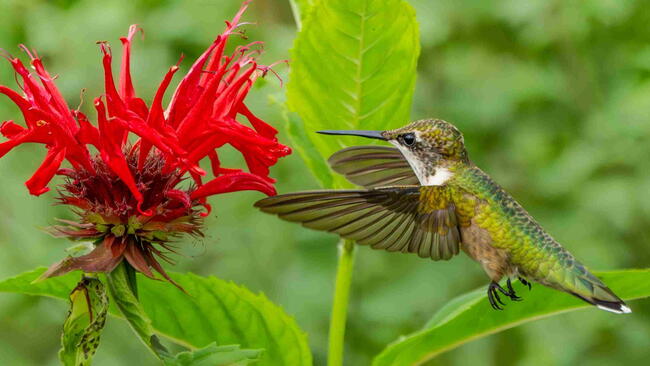
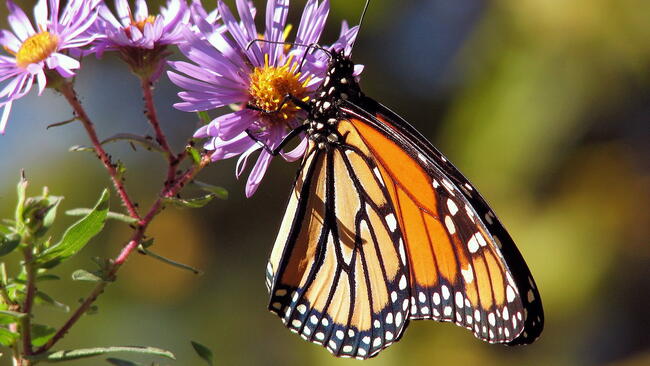
Different pollinators are attracted to different types of flowers, so it’s a good idea to include a range of plants with different flower shapes, colors, and bloom times. Bees tend to be attracted to blue, purple, yellow, and white blooms, while hummingbirds favor orange and red flowers that are long and tubular. Butterflies, on the other hand, usually flock to flowers with wide, flat blooms, which make easy landing pads and accommodate their wider wingspan.
Although you can find many plants that appeal to pollinators, looking for plants that are native to your area is wise. Native plants are 4 times more attractive to pollinators than non-native species, but including some non-native ornamentals in your planting design is perfectly fine.
When selecting plants for your garden, make sure to choose plants that will tolerate the soil and sunlight conditions on your property. While many pollinator-friendly plants grow well in the sun, you can find varieties that are appropriate for shady spaces. Some native plants also tolerate dry soil or soggy spots and can be used to create a xeriscape or rain garden that’s perfectly suited to your space and pollinators!

Layout
Pollinator gardens can range in size from extensive flowerbeds planted with a wide variety of flowers to a few porch pots or window boxes filled with plants that pollinators love. The only limit is your imagination and the amount of space you have for plants.
When planting for pollinators, I like to grow at least three of the same types of plants together in proximity. This technique, known as “drift” planting, makes flowers easier for pollinators to spot and feed from, but it also gives gardens and planters a more natural look. I’ll also stack taller plants toward the rear of my beds and shorter flowers closer to the sides to ensure all the plants I grow get enough light.
If you don’t want to grow a fully dedicated pollinator garden, you can also simply slip a few pollinator-friendly plants into your established flowerbeds or veggie garden. This will make these spaces more appealing to pollinators without requiring a full garden overhaul.

How to Create a Pollinator Garden
The amount of prep work you’ll need to do before starting a pollinator garden will vary depending on the status of your current garden space. If you’ve already been growing annuals and perennials in your beds, you may just want to refresh the soil with a layer of compost before planting. However, suppose you’re starting a brand-new bed and your soil is lacking to begin with. In that case, you may want to conduct a soil test, add a layer of compost or other amendments, or potentially even build and fill a few raised beds if you have poorly draining soil or your garden is naturally rocky.
Getting on top of weeds before you start planting is also wise and can make future gardening much easier. You can do this by hand-pulling them or by smothering weeds with cardboard or tarps for a few weeks before you intend to plant.
Location
Pollinator beds can be placed in either sunny or shady areas. However, the amount of light your beds receive will determine the types of plants you’ll be able to grow. Pollinator-friendly rain gardens can even be located in poorly draining spots that stay wet year-round as long as you choose water-tolerant plants to grow in them.
Aside from light access and soil, pollinator gardens should also be positioned away from busy roadways, if possible, and far from areas regularly treated with pesticides. It’s also a good idea to place them in slightly sheltered spots, as windy locations can make it harder for pollinators to fly about and feed.

Plants That Attract Pollinators
Native plants are, by far, the best picks for pollinators, but many non-native perennials, shrubs, annuals, and flowering herbs are also highly attractive to pollinators. For best results, try including a range of plants with different flowering times to ensure pollinators have a ready source of pollen and nectar no matter when they visit. You may also want to include host plants, like milkweed or dill, which are important food sources for developing monarch and swallowtail caterpillars.
Here are just a few of my favorite must-have pollinator plants, but you can find many more plants that draw in bees, hummingbirds, and other wildlife!
Annuals
- Zinnias
- Cosmos
- Nasturtiums
- Sunflowers
- Sweet Alyssum
- Basil
- Dill
- Lantana
Perennials
- Milkweed
- Coneflowers
- Joe Pye Weed
- Cardinal Flower
- Yarrow
- Blazing Star
- Alliums
- Thyme
- Asters
- Goldenrod
Shrubs
- Buttonbush
- Serviceberry
- Chokeberry
- Summer Sweet
- Purple Flower Raspberry
- Blueberries
- Winterberry
- New Jersey Tea

Planting
Fall or spring are the best times to plant potted annuals and perennials, while bare-root trees and shrubs are often planted during their winter dormancy. If you’re growing perennials from seed, you can typically start them either indoors in spring or outside in spring or fall. Just keep in mind that plants native to cold areas often germinate better if you plant the seeds outside in the fall or cold-stratify them in your fridge for a few weeks before indoor sowing.
When planting, make sure to follow proper spacing guidelines, water your plants well when you’re done, and consider adding some mulch to keep weeds in check. If you’re working with a small space, you may be able to plant it in one go, but larger gardens can be added to over time if you don’t want to purchase and plant your entire pollinator garden at once.
Maintenance
Pollinator gardens will need to be watered and weeded just like any standard garden, although beds planted with native plants will often require minimal watering once established. I like to freshen up my beds by adding an annual layer of compost over the soil in fall, followed by a layer of mulch. This replenishes the soil slowly and allows me to avoid using any fertilizer.
Because pollinator gardens are intended for pollinators, it’s important to keep these spaces free from pesticides. For natural pest control, I rely primarily on barriers like row covers, hand-picking, and companion planting. However, if you do need to use pesticides in your beds, stick to organic products, apply only targeted applications, and never use them on plants that monarch caterpillars feed on, such as milkweed.

Tips
Starting a pollinator garden with the right plants is important. But there are other ways to make your space even more appealing to pollinators. If you want to see more hummingbirds, bees, and butterflies, here are a few more tricks to try:
- Add feeders. Installing a hummingbird feeder and regularly refreshing it with a good cleaning and fresh nectar will help attract even more hummingbirds. While you’re at it, you may also want to make a simple butterfly feeder by laying out a pie pan filled with cut-up fruit, such as apples, oranges, and bananas.
- Include a water feature. Deep birdbaths can prove hazardous to small pollinators. You can work around this by adding clean pebbles to one side of your birdbath so pollinators can scramble out, or by installing a solar-powered fountain in your birdbath or a misting attachment to your garden hose.
- Leave the leaves. Many pollinators overwinter in old leaf litter, so it’s best to leave autumn leaves in your flowerbeds through winter. Once spring temperatures are consistently above 50°F, it’s safe to start raking!
- Make a bee house. Most pollinating bees are solitary (honeybees are non-native to agriculture). These bees live alone, not in hives. Bee hotels are places for solitary bees to make their nests. They can be purchased at garden centers or made at home from the stems of hollow plants.
FAQ: Pollinator Gardens for Beginners
Q. Why should I create a pollinator garden?
A. Pollinator gardens help support declining populations of bees, butterflies, and hummingbirds while encouraging biodiversity in your yard or community garden.
Q. How do I start a pollinator garden?
A. Choose a sunny or partially shaded spot, remove weeds, and plant clusters of pollinator-friendly flowers, shrubs, and herbs. Even small spaces like window boxes or pots can attract pollinators.
Q. Which plants attract pollinators?
A. Native plants are best, and popular options include milkweed, coneflowers, zinnias, sunflowers, basil, and buttonbush. Include plants with a variety of colors, shapes, and bloom times to support different pollinators.
See which plants attract pollinators by your USDA Plant Hardiness Zone!
Q. How much should I water a pollinator garden?
Water as needed, especially during establishment. However, native plants often require minimal watering once mature. Weed regularly and add mulch to suppress weeds. Avoid chemical pesticides and refresh soil with compost annually.
Q. Can small spaces support a pollinator garden?
Yes! Even a few pots on a porch or a small window box filled with pollinator-friendly plants can provide food and shelter for bees, butterflies, and hummingbirds.
More Like This

Comments