We can’t prevent the numerous pathogens that cause damping off disease from ever getting into our seed-starting rooms, but we can practice good sanitation and learn how to prevent damping off before it destroys seedlings.
Clean all seed trays, pots, and cell packs. Use soap and warm water to remove any old soil and visible material, then soak them in a 10% bleach solution for 30 minutes. I like to use a cheap plastic tub or bin and just plop them in it (making sure they’re submerged) after I’ve washed them. Then I forget about them for a while and go do something else. If you had an issue with damping off before, don’t reuse those trays or pots for seedlings; just recycle them.
Use clean, fresh seed starting medium. It should be lightweight, fast-draining, and have a pleasant earthy smell. Old, damp, and musty potting soil left in the open bag in a damp basement (oops) is a poor choice for seed starting. Some folks think sterilizing their seed-starting mix is the way to go. If that floats your boat, go for it, and see our article here on how to do it. For myself, I already have a big enough mess in the kitchen without trying to make a seed-starting mix pie. I just use a fresh bag.
Cultural Management Practices
When starting seeds and caring for seedlings, a few practices can help reduce the likelihood of damping off affecting our seedlings.
- Start with high-quality, viable seed. Good seeds will germinate quickly, thereby limiting the time they spend in moist soil.
- Don’t plant seeds too deeply. Remember the general rule that small seeds are planted shallowly and large seeds are planted deeper. While we often plant seeds twice as deep as their diameter, some seeds, such as corn or beans, are planted at an inch deep. But excessive depth can delay emergence, making it more likely the seedling will succumb if fungal pathogens are present.
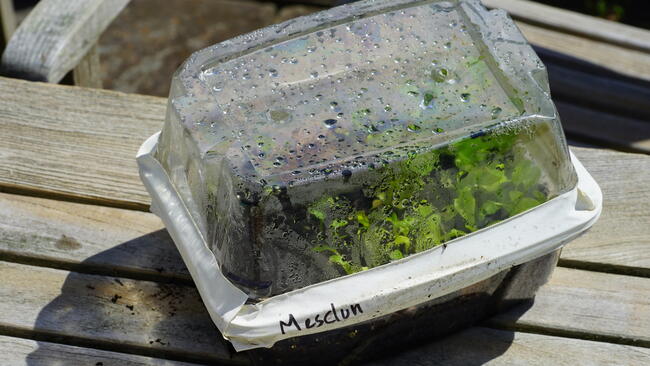
- Keep the seed starting media slightly moist, but not wet. Too much moisture is a recipe for a fungus among us. I start with lightly wetted media, gently mist the surface after sowing (for shallow-sown seeds), and then cover the tray with a humidity dome or plastic wrap until the first seedlings pop up. It prevents the soil from drying out, but also keeps me from overwatering. There’s a fine line between soil that’s too dry for proper germination (seeds need moisture to sprout) and being too wet, which encourages fungal growth.
- Once seedlings have sprouted, ensure there is adequate airflow around the plants. Overcrowded seedlings and stagnant air create ideal humid conditions for fungal growth. Use a fan set on low to move air around the room.
- Water from the bottom if possible, and use room temperature water, not cold water.
- Proper lighting helps seedlings grow vigorously, and they’ll spend less time in the vulnerable stage of development, meaning less time for these fungi to harm them. Give those seedlings extra light!
- If planting outdoors, pay attention to soil temperature. Many seeds won’t germinate well (or at all) in cold soil. Seeds sitting in cool, damp soil waiting for the right temperature to sprout are more susceptible to these pathogens.
Treatment and Control
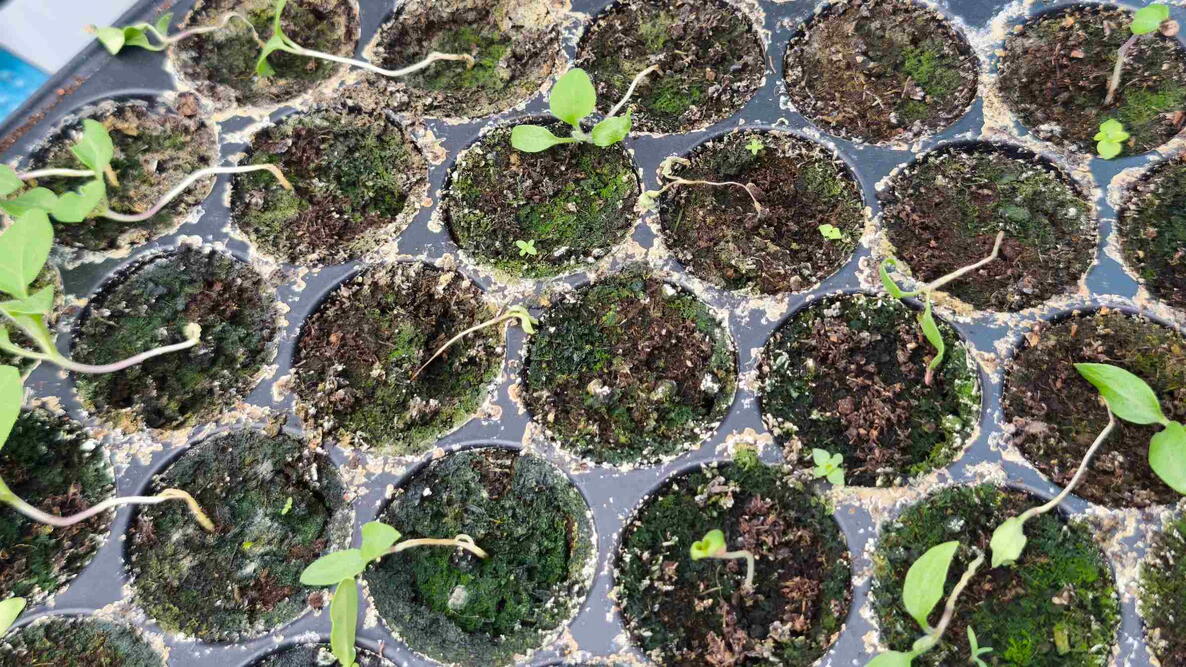
Unfortunately, once you’ve noticed damping off symptoms, it’s too late for those seedlings. They cannot be saved. Toss them out, follow the sanitation tips and cultural tips above, and replant the lost seedlings. I’ve lost seedlings to damping off disease, despite taking precautions, and I view it as a lesson to reevaluate my equipment, seeds, starting mix, and watering practices. And of course, to be sad for my lost little plants.
If you have lost seedlings to damping off, you’ll likely be able to replant those crops and still get them in the ground in time or just a bit late. Pre-sprouting seeds can help reduce the time spent in damp soil, as can a heat mat. Once they’ve sprouted, provide proper lighting, keep the air moving, and water from below when possible.
If you’re wondering how to stop damping off, it all comes down to prevention — clean equipment, good airflow, fresh soil, and proper watering.
What about cinnamon for damping off?
Gardeners love a good home remedy, and this one is quite popular. Sprinkling cinnamon over the soil, or dissolving and spraying it onto the surface and leaves, is often advised by gardeners as a remedy for fungal issues, including damping off disease. Unfortunately, there is no scientific evidence to back that up.
In a laboratory setting, cinnamon extracts and oils have been shown to possess antifungal, antibacterial, insecticidal, and even herbicidal properties; however, the extract or essential oil is far different from the light dusting of spice we would use as gardeners.
However, I can tell you (I fell for the myth, too), it does smell delicious, and it doesn’t hurt except to make a bit of a mess. If you’d like your seed starting area to smell like cinnamon, go for it. However, please also follow the guidelines for sanitation and plant care mentioned above.
Frequently Asked Questions About Damping Off
Q1: What is damping off disease?
A.
Damping off disease is a fungal infection that attacks seedlings right after germination. It’s caused by soilborne fungi such as Pythium, Fusarium, Rhizoctonia, and Phytophthora that thrive in cool, damp conditions.
Q2: Why do my seedlings die after sprouting?
A. If your seedlings collapse and wilt soon after germinating, it’s likely damping off — a seedling fungus that weakens the stem at the soil line until the plant topples.
Q3: How can I prevent damping off?
You can prevent damping off by using sterile seed-starting mix, cleaning trays and pots, avoiding overwatering, and ensuring good airflow and lighting for seedlings.
Q4: Can I save seedlings affected by damping off?
Unfortunately, once damping off symptoms appear, infected seedlings cannot be saved. Dispose of them and disinfect trays before starting new seeds.
Q5: Does cinnamon stop damping off?
While cinnamon has antifungal properties in lab tests, there’s no scientific proof that household cinnamon prevents damping off. It won’t hurt, but rely on good sanitation and moisture control instead.




Comments