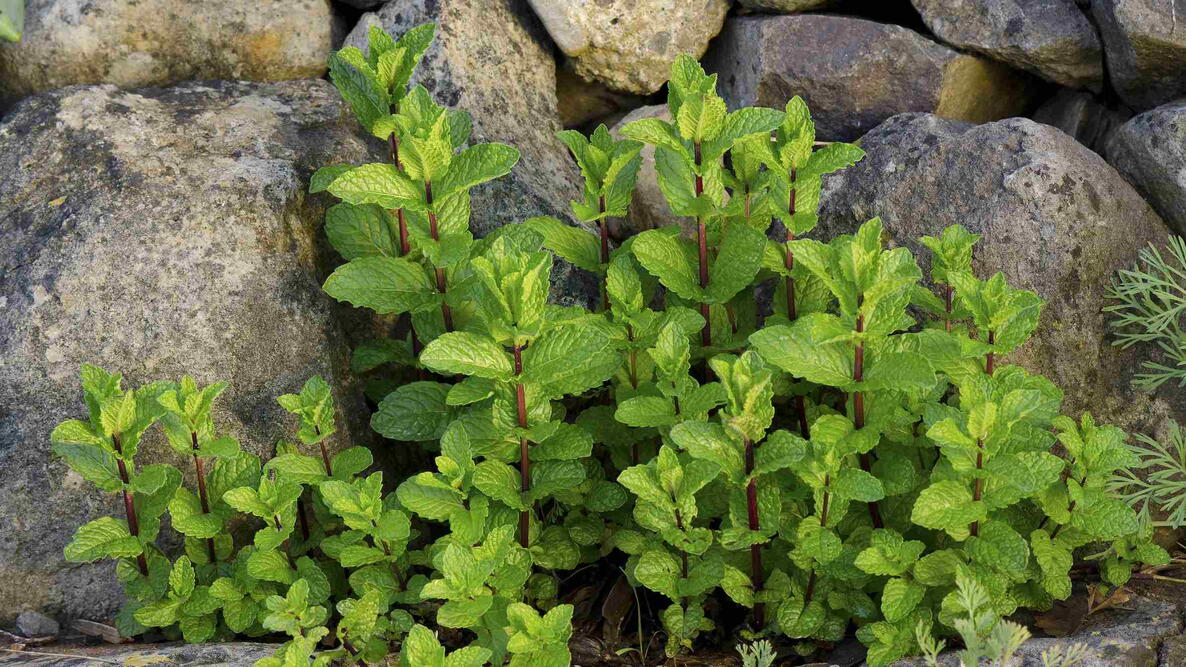

Few plants drive gardeners menthol quite like mint. Although these herbs play it cool in the kitchen, they’re anything but laid back in the garden and can quickly overwhelm flower and veggie beds, intrude into turf grass lawns, and choke out the plants you actually want to keep. It’s no wonder gardeners often ask: How do you get rid of mint in your garden?
Whether it’s native American mint that grows wild throughout much of North America or intentionally-planted culinary mints like peppermint, spearmint, and chocolate mint that have escaped cultivation, mint spreads fast. After all, this invasive herb doesn’t just spread by seeds—it sends out vigorous underground roots or rhizomes that sneak into new areas where you don’t want them. Many other common herbs, such as catnip and lemon balm, belong to the mint family (Lamiaceae) and share that aggressive growth habit and square-ish stems.

Of course, mint plants aren’t all trouble. Mints have tons of uses! They smell great, attract pollinators, and can be harvested for fresh use, drying, and herbal teas. They also make excellent weed-suppressing groundcovers for sun or shade, and their spreading roots can be used to reduce erosion, too. The trick is knowing how to plant and maintain mint to keep it more mild-mannered.
When I first started gardening, I made the classic mistake of companion planting mint in my veggie beds. I spent the following years battling runaway mint rhizomes invading every corner of my garden. Through trial and error, I’ve learned what it takes to keep mint in check. Whether you’re dealing with invasive mint plants or want to grow mint without the headache, these organic, practical tips will help your keep mint from spreading—and how to get rid of unwanted mint naturally.

How to Get Rid of Mint in Your Garden: 8 Simple Organic Methods
Although mint has a reputation for being a mischievous plant, I still love to grow it in my garden. However, trial and error has taught me to grow mint with a few precautions in place, which have kept my plants from growing invasively again. I’ll cover some of those prevention tips below, but also include a few organic removal methods to help you get rid of mint plants that you don’t want.
1. Harvest Often to Prevent Mint from Spreading
If you’re growing mint for teas and treats, regular harvesting is one of the best ways to manage its spread. Pinch or cut back stems frequently during the growing season to keep plants from flowering and producing seeds. I usually harvest mint weekly, pinching stems back to a leaf node to encourage fresh growth.
If you want to attract pollinators, you can let some flowers bloom, but be sure to pinch off the flowers before seeds develop. This simple step prevents self-seeding and reduces the mint’s spread.

2. Grow Mint in Containers or Use Barriers
Having learned my lesson about growing mint directly in my garden, I now exclusively grow mint in pots or in other growing locations that limit its spread. I find peppermint to be particularly troublesome, so I grow it in its own dedicated raised bed. I’ve also used bed dividers to separate different types of mints from each other, or from other plants that don’t grow as quickly.
If you want to keep mint directly in an in-ground garden, you can drill some holes in a bucket or other planter and sink it into your bed. Planting mint in this confined space will keep its rhizomes from spreading where they please. But you’ll still need to deadhead mint flowers to prevent self-sowing.
3. Hand-Pull and Dig Out Mint Rhizomes
Even with frequent harvesting and raised bed dividers, I still need to occasionally hand-pull mint rhizomes that have snuck under my raised bed dividers and into other beds. Doing this at least once a year has kept mint from taking over, but you may need to be more intentional with digging and hand-pulling if mint has already taken up residence in your garden.
Mint rhizomes often grow along the soil’s surface, which allows you to remove most of the plant simply by pulling. But you may need to dig up stubborn roots with a hand trowel or shovel to be doubly sure those plants don’t regrow from leftover roots. Once I’ve dug up unwanted mint plants, I like to let them dry out on a tarp on my driveway until they’re good and crispy, and then I add them to my compost pile. This guarantees those old roots won’t sprout in my compost and cause more trouble!

4. Smother with Tarps or Mulch
Digging mint out of gardens is often enough to keep these plants from coming back. But if you’re dealing with a stubborn patch of mint or a large area of lawn where mint has intruded, digging may not be enough. In these instances, I like to cover the soil with tarps or cardboard, and leave the covering in place for at least 6 to 8 weeks in summer to smother the mint and keep it from regrowing.
While the area is tarped, it’s wise to keep a lookout for runners and clip off any mint stems that emerge beyond the tarp line. Then, remove the tarp or cardboard covering when the time is right, and reseed or replant the area with fast-growing plants to prevent mint from returning. Alternatively, you can add a thick, 2- to 4-inch layer of natural mulch over the soil to keep it covered and to avoid mint and other weeds from returning.

5. Mow Mint Before It Flowers
Mint is sometimes grown in lawns as an alternative to turfgrass, while wild mints may occasionally creep into lawns all on their own. When this occurs, you can leave mint to grow as is, or limit its spread by lifting your lawnmower deck high and mowing the plants before their flowers go to seed. This will keep mint from spreading via seeds, but mint will still spread by rhizomes unless you dig them out.
6. Spray Small Patches with Horticultural Vinegar
Just like other weeds, small patches of mint can also be removed by spraying them with horticultural vinegar. This product is more potent than kitchen vinegar and can dry the plants out and keep them from returning—although you may need to spray your plants a few times for treatments to be effective. It’s also important to note that horticultural vinegar can burn skin, so always wear proper safety gear and don’t apply it in windy weather.
I’ve used vinegar sprays to treat a number of unwanted plants, including mints as well as poison ivy. Sometimes, however, I also remove these plants by spraying them down with neem oil when the sun is high overhead. Although neem can be applied to plants as a natural pesticide, using it in full sun can cause burns to plant leaves and even kill mint and other unwanted plants. That said, neem can harm pollinators too, so you should never apply it when mints are flowering!
7. Use Boiling Water for Isolated Patches
In a pinch, mint and other weeds can be removed by pouring boiling water over the plants’ stems and roots. But this must be done carefully to avoid spills and burns, and to ensure the water doesn’t come in contact with plants you want to keep. I’ve used this trick on mint that’s crept into garden walkways, but I wouldn’t suggest using it in mixed flower beds where other plants are growing.
8. Grow Competitive Groundcovers
Although mint spreads rapidly, some fast-growing or ground-covering plants can potentially outpace it. Plants like pachysandra and creeping thyme create dense mats that mint plants have a hard time poking through, while native plants like native jewelweeds, bee balm, Virginia creeper, and black-eyed Susan can potentially keep mint plants from regrowing in sections of your garden if they get a head start. I’ve used all of these plants to rehabilitate areas on my property where invasives were growing, but they can be used to fill in after removing mint, too!

More Like This

Comments