Whether you have a sunny windowsill or a buzzing backyard, these creative herb garden ideas will inspire your next harvest.

Over the years, I’ve grown all sorts of herbs—in pots, garden beds, tucked among flowers, even scattered through the lawn. Some grew better than expected; others, not so much. But every season taught me something new.
I’ve definitely seen firsthand how growing herbs and herb gardens can be so much more than sowing a few basil and cilantro plants in tidy rows. Traditional kitchen herb gardens still have their appeal, of course. But there are so many other ways to grow herbs and types of herb gardens.
Whether you’re working with a small space, want to support pollinators, or prefer formal or free-form garden designs, there’s an herb garden for every space and style, and you’ll find some of my absolute favorite herb garden ideas below!
7 Herb Garden Ideas
The best herb garden is one that reflects your personal gardening style and the herbs you love to grow. Below, you’ll find seven herb garden ideas that work in a variety of spaces—from sunny windowsills to full backyard beds. Many of these ideas can be mixed and matched, scaled up or down, or tailored to suit your needs—especially if you’re short on space or dreaming up something more expansive.

1. Culinary or Kitchen Herb Garden

The classic setup, a kitchen herb garden, is usually located just outside your back door for easy snipping while you cook. I recommend filling these beds with the herbs you reach for the most. For me, it’s basil, thyme, and oregano, but you may want to try out classic Mediterranean herbs—like rosemary and lavender—or tender-stemmed herbs like cilantro and dill.
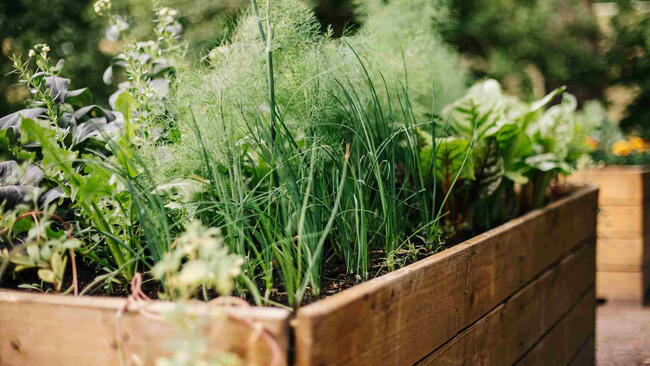
I grow my kitchen herbs directly in the ground, but you can also grow herbs in raised beds, which drain quickly and are great solutions for yards with poor soil or drainage problems. Come harvesttime, just snip a few herbs as you need them, and freeze or dry what you can’t use right away. If you’re like me and process a lot of herbs at once, you might want to invest in a food dehydrator and a few good storage jars to help preserve your herb bounty, too!
2. Indoor Herb Garden

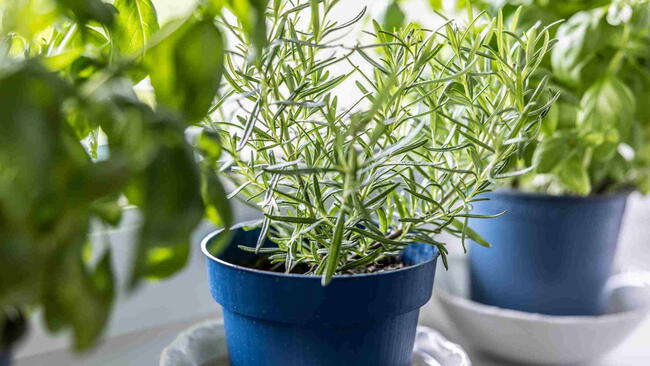
While outdoor herb gardens are grand, if you’re short on space or living in an apartment or urban area, growing an indoor herb garden may be your best bet. My first herb garden was located in a sunny window in an apartment, but I was able to squeeze in my favorite kitchen herbs, like basil, dill, and cilantro. If you have roomy pots, you can keep most herbs in these setups, but rosemary is particularly happy indoors.
If you don’t have a sunny window, you can position these mini gardens under a grow light that’s left on at least 12 hours a day. Terra-cotta pots with saucers are my go-to for indoor growing, but any food-safe container with good drainage will work. You can even grow herbs in hydroponic countertop kits directly on your kitchen counter!
3. Container Herb Garden

Kitchen herb gardens are technically container gardens, but container gardens can also be positioned outdoors if you want to take advantage of outdoor space or work around poor garden soil. These gardens can be located directly on patios, porches, balconies—or anywhere you otherwise wouldn’t be able to grow plants.
I usually keep my outdoor potted herbs in individual containers so I can adjust watering as I want to. But you can also mix and match multiple herbs together in large planters, raised beds on wheels, hanging baskets, or vertical towers. It’s totally up to you, but it’s wise to separate woody and tender-stemmed herbs into their own containers.
Because I live in a cold area, I usually grow my rosemary in pots outside and then bring the plants indoors in winter. However, most herbs that stay relatively small are well suited for this container growing, including cilantro, dill, parsley, basil, and thyme. Just remember: containers dry out faster than plants in the ground, so check soil moisture often and water as needed!
4. Herbal Tea Garden

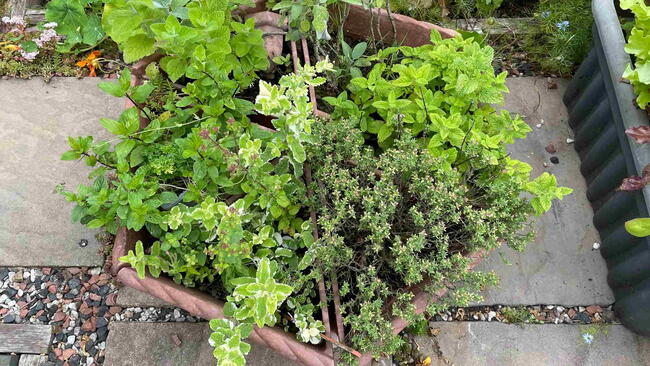
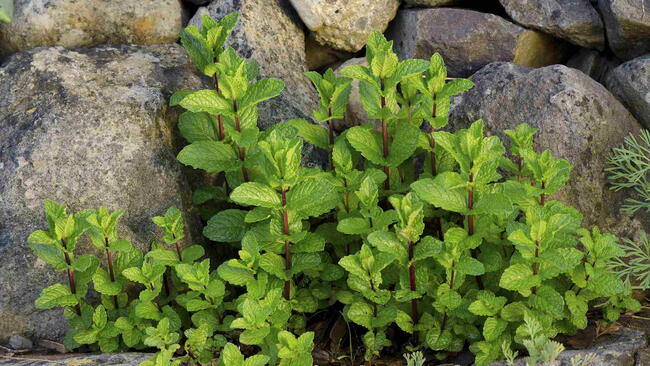
Sure, herbs are great in cooking—but they also shine in the teacup and make a divine homemade loose-leaf tea! I keep herbs like mint, chamomile, and lavender in a small, dedicated tea bed in a sunny section of my yard and harvest just a few stems as I need them for fresh teas. Then, at the end of the season, I fire up my food dehydrator and dry out a lot of herbs at once to keep my kitchen flush with dried tea through winter.
Tea gardens of this sort can be specifically designed with your personal tea-drinking habits in mind and filled with your favorite herbs that you enjoy drinking. Ginger, turmeric, and bee balm also thrive in these gardens and can be grown in the ground, raised beds, or containers, depending on your available space. Learn more about how to grow a tea garden.
5. Spiral Herb Garden

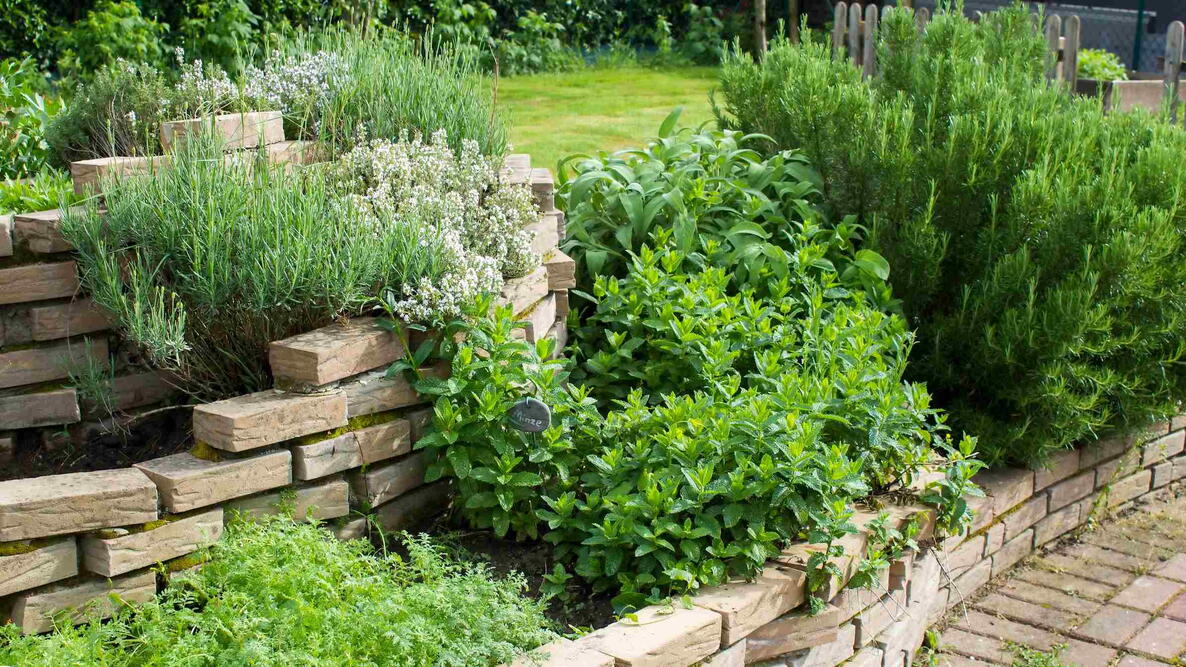
Spiral herb beds have a distinct look, which can add a unique touch of whimsy to outdoor spaces while providing a functional element to your herb garden design. Edged with stones, bricks, or blocks, spiral herb beds can be built on a flat surface, but they’re often constructed in a mound for drainage. When watered, moisture naturally drains from the dry top of the spiral to the bottom and provides a range of soil moisture levels to suit different herbs while offering some light shade to the plants growing toward the spiral’s base.
I recommend keeping Mediterranean herbs, like rosemary, thyme, lavender, and oregano, towards the top of the spiral where the soil is driest and light levels more intense. Then, position tender-stemmed herbs lower down the spiral where they’ll receive more water. Sun-sensitive plants like cilantro and dill can then be tucked into any spot that’s lightly shaded by taller plants.
6. Medicinal Herb Garden

Growers often don’t realize that many culinary herbs also double as medicinal plants and can serve as the basis for a dedicated medicinal herb garden with old-world charm. Common herbs like catnip, garlic, and thyme have traditionally been used as medicinal plants, but lesser-known plants, like St. John’s Wort, comfrey, or feverfew, can be right at home in these setups, too.
I like to add hand-lettered signs and other DIY plant labels to my medicinal herb beds to bring out the historical feel—and keep track of what I planted where. Like culinary herb gardens, medicinal beds can be planted in the ground, raised gardens, or pots. The herbs can be grown in neat rows, spirals, squares, and other formal or informal layouts, too.
In the garden above, bee balm is often used in teas for its anti-inflammatory properties; agastache is traditionally used as an expectorant to help clear congestion; and marshmallow roots and leaves are famously used to coat and soothe sore throats. Learn more about starting a medicine garden.
7. Pollinator Herb Garden

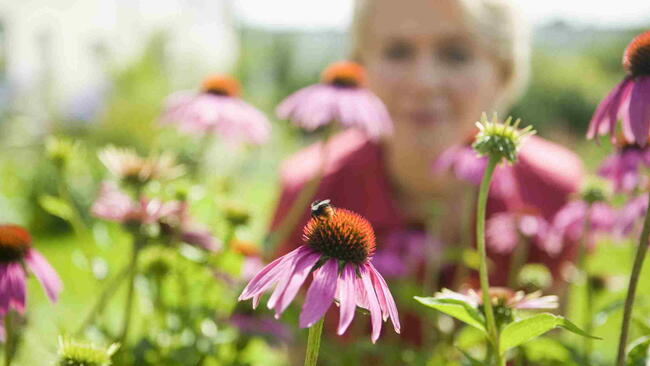
Whether you grow herbs for culinary use, teas, or medicinals, herb gardens of any kind can also double as pollinator habitats if you structure and maintain them in specific ways. All herbs attract bees, butterflies, and other beneficial bugs if you let them bloom and steer clear of pesticides that can harm pollinators. Growing a variety of herbs with different flower shapes and bloom times can make these spaces even more irresistible to beneficial bugs.
Since I grow organically, all of my herb beds serve as pollinator habitats as well as gardens for my own personal use. Letting plants like sage, oregano, thyme, dill, chives, and cilantro bloom never fails to attract pollinators and keep my beds buzzing through the seasons. I also save space for more dill plants than I intend to harvest, as they serve as host plants for swallowtail caterpillars!
Tips for a Successful Herb Garden

Like other gardens, herb beds often require trial and error to get them just right. I’ve definitely lost some herb plants over the years due to watering issues, pests, and other problems or had to move plants around because they just weren’t thriving. But all of that taught me a few valuable lessons about what it takes for herb gardens to really take off!
- Provide plenty of light. Most herbs are full-sun plants that need at least 6 to 8 hours of light per day outdoors, and even more light if you’re keeping them under grow lights. Tall plants can cast shade on lower-growing herbs, too, so I always locate taller herbs like sage toward the rear of gardens and thyme and other lower-growing herbs toward the front.
- Water as needed. Watering is a bit of a balancing act, especially if you’re growing different types of herbs together. I personally plant Mediterranean herbs on one side of my garden and tender-stemmed herbs on the opposite side so I can water the herbs that need it more. Most tender-stemmed herbs require about 1 inch of water per week, but I rarely water my woody-stemmed plants.
- Fertilize sparingly. I usually feed my herb plants with an annual application of compost and only apply liquid fertilizer to the plants I keep in containers. Herbs are, after all, light feeders, and applying too much fertilizer can cause root burn and other issues.
- Use the right containers. Terra-cotta pots are my favorite containers for growing herbs, as they come in different sizes, have drainage holes in the base, and allow plant roots to breathe. You can use other growing containers too, of course, but make sure they’re made of food-safe materials and drill drainage holes in the bases if needed.
While herbs do take a bit of work no matter where you grow them, most herbs are undemanding by nature yet incredibly rewarding to keep. If you can’t decide on a single herb garden design, you can always mix and match a few types of beds together or change up your gardening style by trying out different garden designs as you feel so inclined. If growing herbs has taught me anything, it’s that there’s no better way to learn than to grow more and more!

More Like This

Comments