Chinese Money Plant (Pilea Peperomioides): Growing Luck & Style Indoors

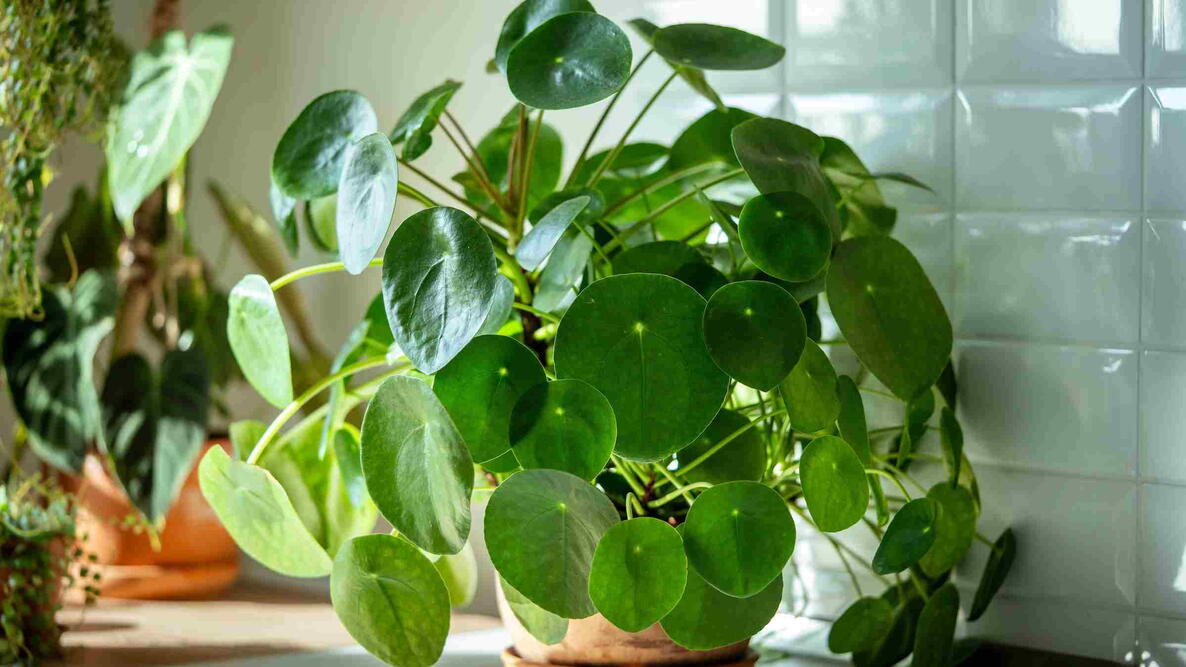
Closeup of trendy Pilea peperomioides houseplant in terracotta pot at sunlight at kitchen home. Chinese money plant
Photo Credit
Dimam Berlin
Botanical Name
Pilea peperomioides
Plant Type
Sun Exposure
Hardiness Zone
Subhead

Care Tips, Propagation Methods, and Indoor Growing Guide

Written By: Lauren Landers Master Gardener and Contributing Writer

Whether you’re into Feng Shui or just like funky houseplants with flair, adding a Chinese money plant (Pilea peperomioides) to your collection makes cents. Its flat, coin-shaped leaves bring a whimsical charm—and a bit of prosperity—into any space. Beyond the aesthetic appeal, these plants are incredibly low-maintenance and rewarding to propagate, making them favorites for beginners and seasoned plant lovers alike.

I’ve grown Chinese money plants for years, and they’ve taught me a lot about what makes them thrive indoors. In this guide, I’ll share practical care tips, propagation tricks, troubleshooting advice, and more to help your coin plants flourish.

Chinese money plant (Pilea peperomioides) in an indoor houseplant display near a sunny window, surrounded by other low-maintenance plants.
Coin-shaped leaves of the Chinese money plant bring a touch of luck to this sunny windowsill garden. Credit: Dima Berlin

About Chinese Money Plants

Known as UFO plants, coin plants, or pancake plants, Chinese money plants are instantly recognizable by their round leaves and upright growth habit. Their central stems gradually turn woody as they age, and indoors they can grow impressively wide and tall with proper care.

Native to China’s high-altitude woodlands, Pilea peperomioides belongs to the Urticaceae (nettle) family—but unlike its prickly relative stinging nettle, it’s entirely pet-safe. In the wild, the plant grows up to 12 inches tall and wide, often producing offsets or “pups” at its base. Indoors, it can grow even larger with proper care. Although endangered in its natural habitat, the species is widely available at nurseries and among plant enthusiasts.

I like to display my Chinese money plants in terracotta pots surrounded by houseplants with more classically shaped leaves, as I find this highlights the money plant’s unique look and vibe. They also pair beautifully with other round-leaved plants like string of pearls or watermelon peperomias. Occasionally, a happy Chinese money plant will produce clusters of tiny pink or white flowers in spring, though the leaves alone are the main attraction indoors.

Planting

Adding a Chinese money plant to your home is like inviting optimism into your space. Here’s how to give it the best start:

  • Check the roots: Remove your plant from its nursery pot and inspect the root ball. If rootbound or growing in compacted soil, gently loosen or repot.
  • Pick the right container: Choose a pot slightly larger than the current one. Too big can slow growth. I always go for something with drainage holes—terracotta works well for breathability, but any well-draining pot will do.
  • Use fresh soil: A well-draining potting mix is essential for healthy roots. I like to use a blend of indoor potting soil with added perlite or pumice to keep things light and airy.
  • Plant at the same depth: Keep the plant at its previous level in the pot, firm the soil lightly, and water thoroughly.
  • Handle with care: Pilea leaves are delicate—support stems as you work. Place your plant in bright, indirect light (east-facing windows work well).

Growing

Money plants can be displayed in terracotta, plastic, or ceramic pots, just like any other houseplant. But these adaptable plants can also be grown in terrariums as long as you can find a terrarium that’s big enough to house them. Chinese money plants require the same basic care as standard tropical houseplants, but their leaves and stems break easily, so you’ll want to handle them with care if you move your plants around!

Pilea peperomioides in terracotta pot, lush bush with several potted Chinese money plant on windowsill at home.
Lush life on the sill. Pilea thriving in terracotta style. Credit: Dina Berlin

Water
Chinese money plants should be watered regularly, but overly damp soil will make their roots rot out. To avoid this, feel the soil before you water and only water your plants when the top 1 to 2 inches of potting mix feels dry. You may want to mix some sand or perlite into your potting mix to improve drainage, too.
Light
Bright, indirect light is best for Chinese money plants, while full sun can burn their leaves. To keep your plants from leaning, rotate them a ¼ turn every 2 to 4 weeks, and provide them with more light if they start to get leggy or develop undersized leaves. East- or west-facing windows are often ideal for these plants!
Humidity
Average indoor humidity is usually fine for Chinese money plants, but they’ll appreciate a little extra moisture in the air—especially during winter or in very dry environments. If the leaf edges start to curl or brown, try misting occasionally or placing the pot near a humidifier or pebble tray.
Temperature
Average home temperature levels are also acceptable. Just keep these plants away from drafts and heating units, and bring them indoors before temperatures drop below 50°F if you move houseplants outside for the summer.

Fertilizer

To support their fast growth rate, feed Chinese money plants in spring and summer with a monthly dose of balanced liquid organic fertilizer. These plants have higher-than-average calcium needs, so I like to add a bit of powdered eggshell to their soil from time to time as well.
Toxicity
Chinese money plants are generally considered non-toxic to both humans and pets, including cats and dogs. That’s one of the reasons they’re such a popular choice for households with curious kids or furry companions.

Pests/Diseases

Chinese money plants are more likely to develop pests if they’re not given the right care. Or, if you bring your plant outdoors in the summer, insects may hitchhike their way inside. 

  • Pests, like scale insects, mealybugs, and spider mites, sometimes feed on the leaves; manage with organic insecticidal soap sprays. Fungus gnats may also invade if soil gets too soggy so don’t overwater.
  • Yellowing and browning leaves, as well as leaf drop, may occur when plants are overwatered, underwatered, or not receiving enough light.
  • Leaves with brown, dry edges may indicate that your plants need more humidity.
  • Curling or deformed leaves often mean that money plants need more calcium. You can correct this issue by fertilizing your plants with a calcium-rich fertilizer or blending some pulverized eggshells into your potting mix.
Pilea peperomioides houseplant in terracotta pot
Sunlight reveals more than beauty—these Pilea leaves show early signs of stress. Time to check for pests or watering issues. Credit Dima Berlin

Potting and Repotting

How Often to Repot 

Pilea grows moderately fast, so repot every 1 to 2 years—or sooner if you see roots poking through the drainage holes or the soil seems compacted.

When to Repot 

Spring and summer are ideal, when the plant is actively growing. You can repot in other seasons if needed—just be gentle and avoid disturbing the roots too much.

How to Repot

  • Remove the plant carefully: Hold the stem with one hand and wriggle the pot free with the other. If it’s stuck, run a butter knife around the edge to loosen the soil. Support the stems as you work—those leaves are delicate!
  • Prep the new pot: Pour several inches of well-draining mix into the base of the new container. Position the plant so it sits at the same depth as before.
  • Fill and firm: Add more soil around the root ball, gently firming it in place. Water thoroughly to help the plant settle.

See the Almanac’s Beginner Guide to Repotting Houseplants

Propagation

Chinese money plants are nicknamed the “friendship plant” for a good reason. These plants are one of the easiest plants to propagate and share with friends! You can do this through stem and leaf cuttings, but I find the easiest way to grow new Chinese money plants is from offsets.

Mature money plants will eventually produce babies or offsets around their base. 

  • When the offsets are a few inches tall, carefully excavate some of the soil around the baby plant’s roots and tease it apart from its mother. You may need to use a sharp knife to separate some of the roots.
  • If your plant produced a lot of offsets, it’s often easier to de-pot the parent plant and gently shake the soil until the offsets begin to separate from their parent.
  • Once you’ve separated the baby money plants, repot them in their own growing containers with a well-draining potting mix, water well, and care for them just like the parent plant.
how to reproduce pilea peperomioides or chinese money plant. root cutting in water
New life in motion: A Chinese money plant cutting takes root in water, ready to grow. Credit: La Huertina De Toni

Seasonal Care

The care requirements for Chinese money plants don’t vary much through the seasons. However, these plants don’t need as much water in fall and winter, and they should only be fertilized in spring and summer.

Wit and Wisdom

  • Feng Shui favorite: Place your Chinese money plant in the southeast corner of a room or home to invite wealth and prosperity.
  • Amateur star: Long before botanists took notice, hobbyists were growing and sharing this charming houseplant. Samples of this plant were only first collected by western botanists in the early 1900s.
  • Photo debut: The first officially published photograph of Chinese money plants appeared in the 1984 issue of Kew Magazine.

About The Author
Lauren Landers

Lauren Landers

Master Gardener and Contributing Writer

Lauren is a gardener, writer, and public speaker with over a decade of experience helping others learn about gardening, homesteading, and sustainable living.She combines years of practical gardening a...