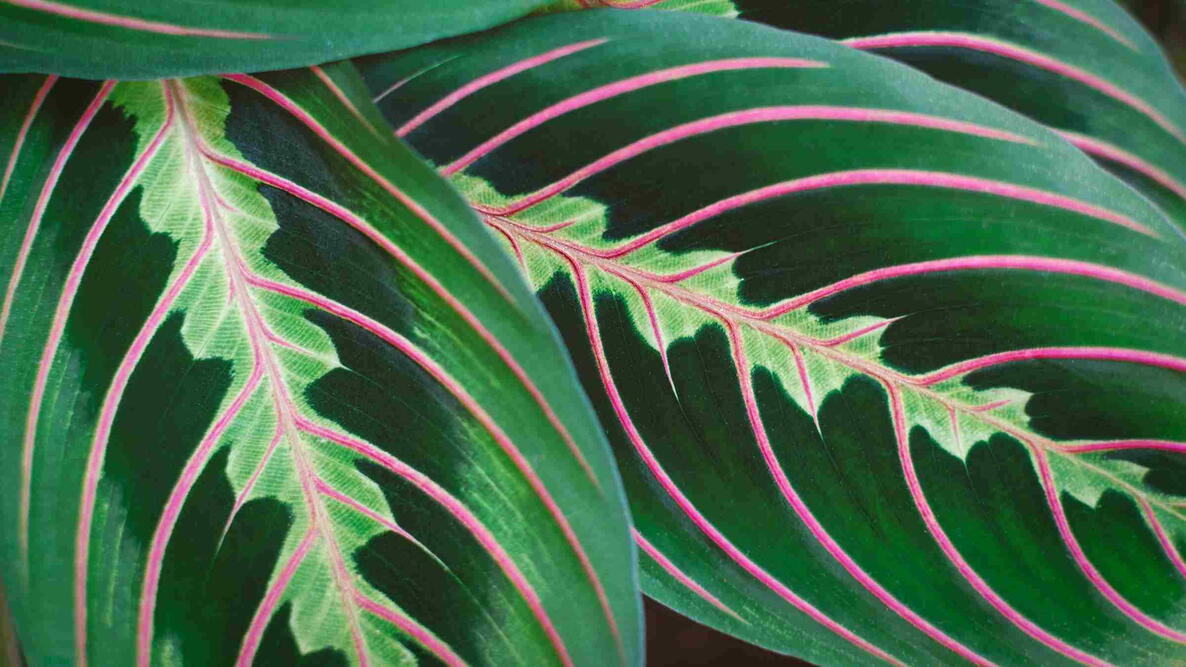

If you’ve been praying for the perfect houseplant that’s both stunning and easy to care for, look no further than the prayer plant! These colorful beauties feature striking leaves with eye-catching patterns, but it’s their unique ability to move with the light that makes them truly remarkable. Plant care is simple once you understand their needs, and in this guide, I’ll share my top tips for keeping Marantas healthy, vibrant, and thriving indoors.
About Prayer Plants
Prayer plants (Maranta leuconeura) belong to the Marantaceae family, which includes other popular houseplants like Calathea and Stromanthe. They are closely related to plants such as ginger and canna, which thrive in warm, tropical areas.
Native to the warm and humid rainforests of South America, they naturally grow in the dappled light cast by taller trees and shrubs. In the home, these plants are at their best in bright, indirect sun, which allows their showy leaves to unfurl fully. As night falls and shadows spread, the leaves turn upwards like hands in prayer, conserving moisture and creating an ever-changing, mesmerizing display.
Although most commonly grown in pots or hanging baskets, prayer plants can be trained to trail over the edge of outdoor planters and grown outdoors in USDA Zones 11–12. When well-cared for, Marantas typically grow about 1 foot tall and wide and may produce tiny purple or white flowers in summer—though flowering can be rare indoors. These houseplants are also nontoxic to pets, making them a safe and beautiful choice for homes where furry friends are afoot!

Pests and Problems
The most common reason why prayer plants fail or look bedraggled is due to watering and humidity issues. If you want your plants to look their best, provide them with the right care and keep an eye out for these potential issues.
Leaf troubles are the most common visual signs of stress:
- Brown leaf tips or edges: Often caused by low humidity, dry indoor air from heaters or AC, tap water salts, or inconsistent watering.
- Leaf curling or folding during the day: Usually a sign of too much direct sunlight or too little light.
- Yellowing leaves: Can result from overwatering, underwatering, or inadequate light.
- Slow growth or small leaves are common for indoor prayer plants and usually indicate a need for more bright, indirect light or occasional fertilization during the growing season.
By keeping an eye on these common pests and troubles and adjusting care as needed, your Prayer Plants will stay vibrant, healthy, and their signature leaves fully unfurled—a joy for any indoor gardener.

Pests: Spider mites and mealybugs sometimes affect prayer plants, especially when bringing new plants into your home or placing houseplants outdoors in the summer. Quarantining new arrivals for a week or two is the best way to prevent infestations. If pests do appear, organic insecticidal soap sprays work well to keep your plants safe and healthy.
Types
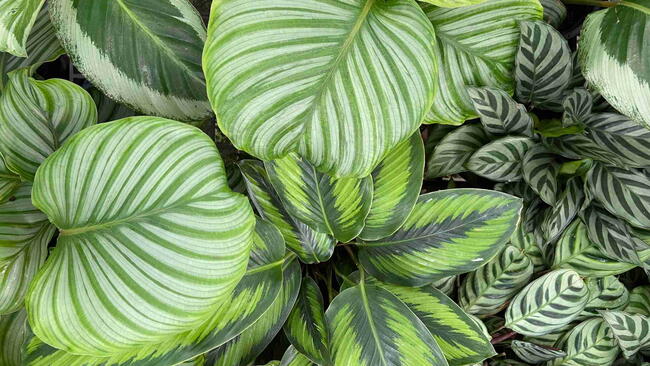
If you love the look of prayer plants, you may want to grow similar-looking houseplants, like calatheas or stromanthe. Alternatively, you can collect a few different color variants of prayer plants and display them all together for a colorful show that changes with the light!
- Red Prayer Plant: Also known as the herringbone or tri-color prayer plant, red prayer plants have the most colorful leaves with deep red patterning and undersides!
- Green Prayer Plant: These prayer plays have a lighter and brighter look with bright green leaves without any red coloration.
- Rabbit’s Foot Prayer Plant: A lesser-known variety, ‘Rabbit’s Foot’ has dark splotches on its green leaves, which are said to look like the footprints of a rabbit.

Potting and Repotting
How Often to Repot
Prayer plants grow slowly, so they don’t need frequent repotting. Every 2 to 3 years is usually enough—unless you spot roots creeping out of the drainage holes or notice the soil drying out unusually fast.
When to Repot
Spring is ideal, when the plant is actively growing and not in bloom. That said, repotting can be done in other seasons too—just avoid disturbing it while it’s flowering, as prayer plants can be sensitive to change.
How to Repot a Prayer Plant
- Remove the plant gently: Grasp the stems near the base and wiggle the pot loose with your free hand. If it’s stubborn, run a butter knife around the inner edge to loosen the soil.
- Inspect and clean the roots: Shake off excess soil and run your fingers through the root ball to remove compacted mix. This is a great time to divide the plant if you want to propagate.
- Replant with fresh soil: Use a well-draining mix and position the plant at the same depth it was growing before. Firm the soil gently around the roots.
- Water deeply: Give it a thorough drink and return it to its preferred spot—bright, indirect light and high humidity.

Although prayer plants rarely need pruning, they can spread out over time and trail over pot and planter rims. If you prefer plants with a more compact or bushier look, prune off wayward stems at a leaf node in spring or summer. Save the trimmings for propagation if you want to, and follow these quick and easy growing tips to keep your prayer plant in top form.
Propagation
Prayer plants are typically propagated either from stem cuttings or root divisions. The best time to take cuttings or divisions is either in spring or summer, when pruning your plants or repotting them into larger containers.
Stem Cuttings
- Take 3- to 5-inch-long stem cuttings from healthy plants that aren’t in bloom. Each cutting should have at least 1 or 2 leaves and should be cut off at a leaf node.
- Place the cuttings into a glass of clean water, or dip the cut stem ends in rooting hormone and bury them 1 inch deep in pots filled with damp potting mix or seed starter.
- Keep cuttings in bright indirect light and water regularly to keep the substrate damp until they root. Cover with clear plastic to maintain humidity.
- Once rooted, pot them individually, water well, and care as usual.
Root Division
- Remove your prayer plant from its pot and gently shake the plant to separate its roots into divisions. Each division should have a healthy nest of roots and at least a few stems and leaves.
- Plant the divided plants in their own pots, and water them in!

More Like This

Comments