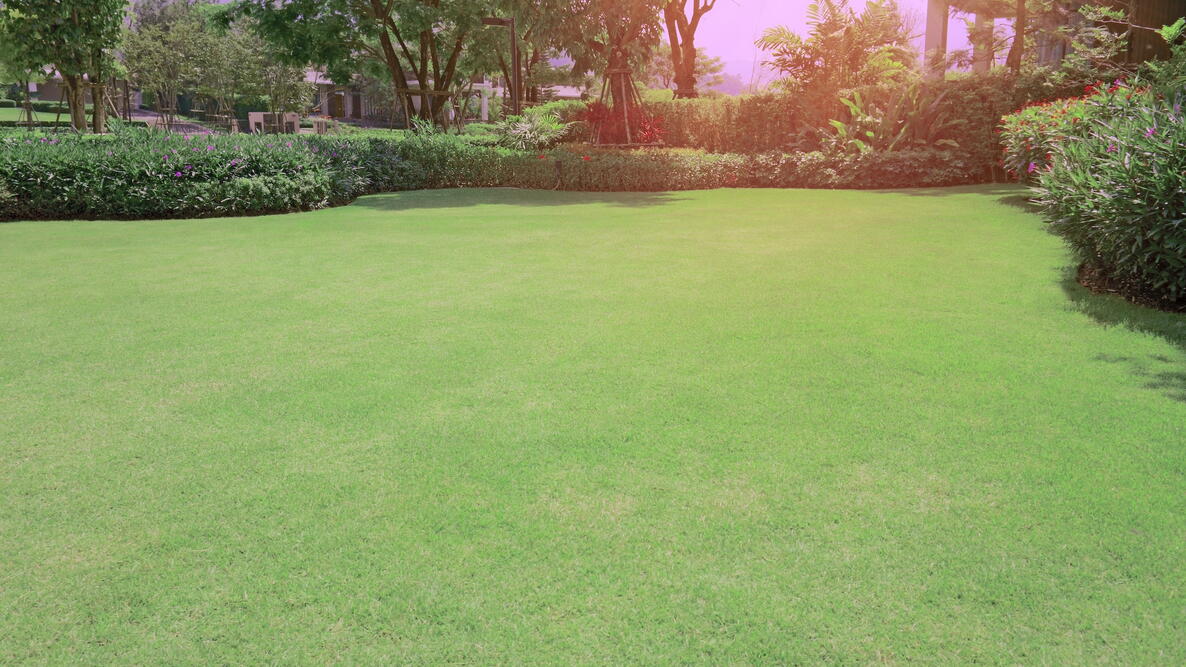

Looking for a heat- and drought-tolerant lawn that thrives in hot Southern climates? Bermudagrass is a popular warm-season turfgrass known for its fast growth, low maintenance, and vibrant green color. It’s perfect for turning tough yards into lush, resilient lawns.
But don’t be fooled—it’s as stubborn as it is tough. While it flourishes under full sun and demands little watering, it can quickly spread into areas you didn’t plan. In this guide, you’ll discover expert tips on planting, growing, maintaining, and managing bermudagrass so your lawn stays healthy, beautiful, and under control all season long.
What is Bermudagrass?
Bermudagrass (Cynodon dactylon) is a perennial, warm-season turfgrass known for its deep roots and vigorous sod-forming growth. Native to Africa, it thrives in USDA Zones 7 through 10, with some hardy cultivars surviving as far north as Zones 5 and 6. Its durability and traffic tolerance make it a popular choice for home lawns, athletic fields, and golf course fairways—North Carolina State Extension even calls it “the most widely used species” for these high-traffic areas.
This grass prefers full sun and struggles in shaded spots. It spreads aggressively both aboveground through stolons and underground via rhizomes and can even propagate from grass clippings. Bermudagrass is also drought-tolerant and generally resistant to many pests and diseases, making it a low-maintenance option for Southern lawns.
However, it does have its quirks. If not mowed regularly and kept short, it can develop a wiry, weedy look that some homeowners find unappealing. Its fast growth can lead to invasive tendencies, often making it “difficult to control.” Despite these challenges, many gardeners find that its toughness and lush appearance outweigh the drawbacks, making it a top pick for warm-season lawns.
Why Is It Called Bermudagrass?
Contrary to what the name suggests, bermudagrass didn’t originate in Bermuda. The Atlantic island—which is at a similar latitude to North Carolina—is just one of many places where it was introduced. It thrives there so well that it can even be invasive. Over time, the grass became associated with Bermuda, likely due to its success on the island.
However, it’s actually believed to have originated in Africa; some evidence points to parts of Asia as well. It probably first arrived in the Americas around 1750, spreading across warm climates where it continues to flourish today.
What Does It Look Like?
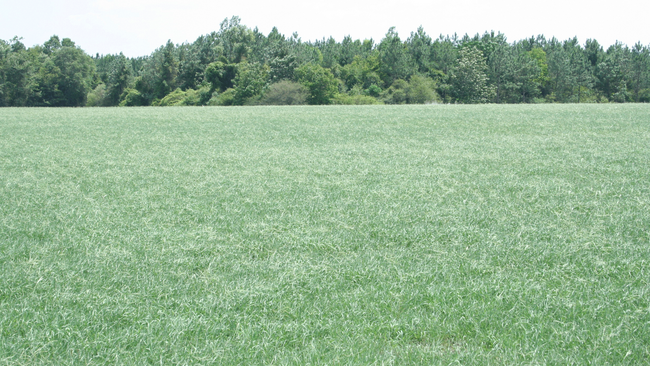
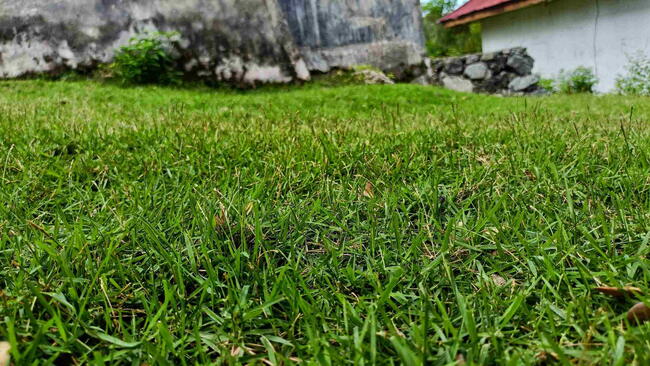
This turf features fine-textured blades that are narrow and pointed. If you keep it short, it looks like carpet. If left untrimmed, it can develop a wiry, weedy appearance with stems reaching up to 2 feet tall and leaves growing as long as 6 inches. While its vigorous growth makes it great for covering ground quickly, it can also spread aggressively into unwanted areas.
One downside is that it turns brown and goes dormant during the winter months, which some homeowners find unattractive. To keep your lawn green year-round, many gardeners overseed with annual ryegrass in the fall, providing a vibrant winter lawn until the bermudagrass returns in spring.
Want to explore the different varieties and which might be best for your lawn? Check out our detailed section on bermudagrass types below.

Growing
Growing a healthy bermudagrass lawn is all about providing the right conditions and regular care. It thrives in full sun and warm temperatures. Bermudagrass prefers sandy to loamy soils with a pH of 5.5 or higher. It struggles in shade and dislikes competing with weeds, so plant it in sunny spots and maintain good lawn care to keep weeds at bay.
Watering
Water about 1 inch per week, increasing to twice that during the hottest summer periods or drought conditions. Consistent watering encourages strong root development and maintains the lawn’s rich green appearance.
Fertilizing
For optimal growth, apply nitrogen fertilizer two or more times during the growing season, particularly before and during peak summer months. Regular fertilization supports vibrant color and dense turf.
Mowing and Maintenance
Mowing Height
Proper mowing is key to keeping bermudagrass healthy, dense, and looking its best. It thrives when mowed frequently and kept at the right height. Maintain a height of between 1 and 2 inches. Golf courses often keep it shorter, around 0.5 to 1 inch, but for most home lawns, 1 to 2 inches strikes the ideal balance between health and aesthetics.
Mowing Frequency and Tips
During the active growing season—spring through early fall—mow every 5 to 7 days. Frequent mowing helps prevent thatch buildup and encourages denser turf. Avoid cutting more than one-third of the blade length at a time to reduce stress.
Additional Maintenance Tips:
- Use a sharp mower blade to ensure clean cuts and prevent disease entry points.
- Remove clippings if they’re excessive, but in many cases, leaving them provides natural mulch and nutrients.
- Regularly aerate compacted soil to improve root growth and water absorption.
- Monitor for weeds and pests, treating problems promptly to avoid damage.
By following a consistent mowing and maintenance routine, you’ll keep your bermudagrass lawn thick, vibrant, and ready for whatever your yard throws at it.

Types
There are several varieties, each with unique traits suited for different climates, lawn uses, and maintenance levels. Knowing the difference between seeded types and hybrid cultivars will help you pick the best bermudagrass for your yard.
Common Bermudagrass
This is the most widespread type, typically grown from seed. It has a coarser texture and lighter green color but is hardy, drought-tolerant, and spreads aggressively through stolons and rhizomes. It’s well-suited for home lawns and sports fields across USDA Zones 7 to 10.
Hybrid Bermudagrass
Hybrid varieties are developed through selective breeding to offer finer leaf texture, deeper green color, and denser turf. These cultivars usually require more maintenance, including frequent mowing and fertilization. Because they rarely produce viable seed, hybrids are propagated vegetatively—through sprigs or plugs.
Popular Cultivars
‘Monaco’ — A superior-seeded variety known for dense growth and good color, making it an excellent choice for lawns established from seed.
‘Quicksand’ — A hybrid cultivar prized for its enhanced winter hardiness and durability, ideal for colder climates.
‘Yukon’ — Another hybrid known for cold tolerance and reduced water needs, perfect for gardeners seeking a resilient, low-water lawn.
Propagation and Maintenance
Seeded bermudagrass varieties are easier to establish but often produce less dense turf. Hybrid types, while offering a finer appearance and improved durability, require planting via sprigs or plugs and more attentive care.
By understanding the differences between seeded and hybrid bermudagrass, you can choose the right variety to match your climate, lawn use, and maintenance preferences—ensuring a healthy, vibrant lawn year-round.
Alternatives to Bermudagrass for Southern Lawns
While bermudagrass is one of the most popular warm-season grasses in the South, it’s not the only choice for a lush, healthy lawn. If you’re looking for a turfgrass that better matches your soil, shade, or maintenance preferences, here are some top alternatives that thrive in Southern climates:
- Zoysia: A heat-loving warm-season grass that’s dense, durable, and drought-tolerant once established. It handles heavy foot traffic well and resists weeds thanks to its thick growth habit. While zoysiagrass grows more slowly than bermudagrass, it offers a softer texture underfoot and tolerates partial shade.
- Centipedegrass: Sometimes called the “lazy man’s grass,” centipedegrass thrives in sandy, acidic soils common in the Southeast. It grows slowly, requires less mowing and fertilizer, and stays green most of the growing season. However, it’s not as wear-resistant as bermudagrass, making it better for low-traffic yards.
- St. Augustine grass: Ideal for coastal and humid Southern regions, St. Augustine grass is known for its coarse texture and excellent shade tolerance. It establishes quickly from sod and provides a deep green lawn, though it requires regular watering and isn’t as drought-tolerant as other warm-season grasses.
- Buffalograss: Best suited to hot, dry Southern areas like parts of Texas and Oklahoma, buffalograss is highly drought-resistant and extremely low-maintenance. It has a softer, more natural look and is perfect for eco-friendly lawns, though it won’t be as deep green as bermudagrass during peak summer.
Pro Tip: If you live in the upper South or transition zone, consider “tall fescue,” a cool-season grass that stays green longer into fall and winter. Just note that it will need extra care to survive deep summer heat.

More Like This


Comments