St. Augustine Grass: Your Ultimate Guide to Growing a Healthy Lawn in Sun and Shade

St. Augustine grass, a warm-season turfgrass commonly used in lawns and landscapes,

Caption

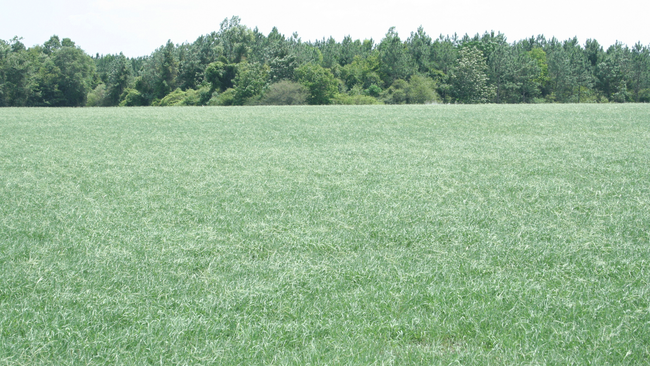
St. Augustinegrass (Stenotaphrum secundatum) is the warm-season lawn hero of the South—known for its lush, green turf and shade-loving ways.g

Photo Credit
Agungwidiutomo
Botanical Name
Stenotaphrum secundatum
Plant Type
Sun Exposure
Hardiness Zone
Subhead

Key Growing Tips and Care Essentials for a Thriving St. Augustine Grass Lawn

Written By: Samantha Johnson Author and Gardening Contributor

Forget what you think you know about grass—St. Augustine grass is here to challenge your lawn care assumptions. Think you can easily grow it from seed? Surprise: it can’t be propagated that way! Think it needs full sun to thrive? Think again—it actually prefers some shade, making it perfect for those tricky spots.

This Florida favorite is a warm-season turfgrass that’s tough, lush, and ready to make your lawn stand out. In this guide, you’ll learn all about planting, watering, mowing, and maintaining it so you can enjoy a healthy, vibrant lawn year-round in warm climates.

What Is St. Augustine Grass?

St. Augustine grass (Stenotaphrum secundatum) is known as the “most shade-tolerant warm-season grass,” according to the North Carolina State Extension. It’s planted extensively throughout Florida and other Southern states, but in its natural state, it grows along coasts and the edges of beaches, swamps, marshes, and roadsides. This turfgrass thrives in USDA Zones 7 through 12 and prefers temperatures between 80° and 95°F.

While appearance varies slightly by cultivar, it generally features coarse, flat stems with wide leaves. It spreads aggressively through stolons, creating a dense, lush turf. It tends to be higher maintenance and can be finicky about fertilizing and mowing (hint: you better do both correctly if you want to stay on its good side). But here’s the thing: homeowners in the South swear by it. The University of Florida calls it the most widely planted lawn grass in Florida, thanks to its shade tolerance, salt tolerance, and surprising cold hardiness.

Why Is It Called St. Augustine Grass?

Unlike Bermuda grass, which misleadingly links to Bermuda, St. Augustine grass has a genuine connection to Florida’s historic coastal city of St. Augustine.

While its exact origin is debated, the grass’s name reflects its long association with the Southern U.S., and the oldest city in the country lends an added sense of history and charm to this beloved turfgrass.

What Does It Look Like?

So just what does this iconic Florida grass look like? 

  • St. Augustine grass features wide, coarse, vibrant green leaves with a distinctive blunt leaf tip.
  • Unlike bunch-type grasses, it spreads via stolons, which allow it to quickly fill in lawns with a thick carpet of greenery.
  • For best results, mow St. Augustine grass to a height between 2.5 and 4 inches, with 3 inches being a reliable standard. Some dwarf cultivars tolerate shorter mowing heights.
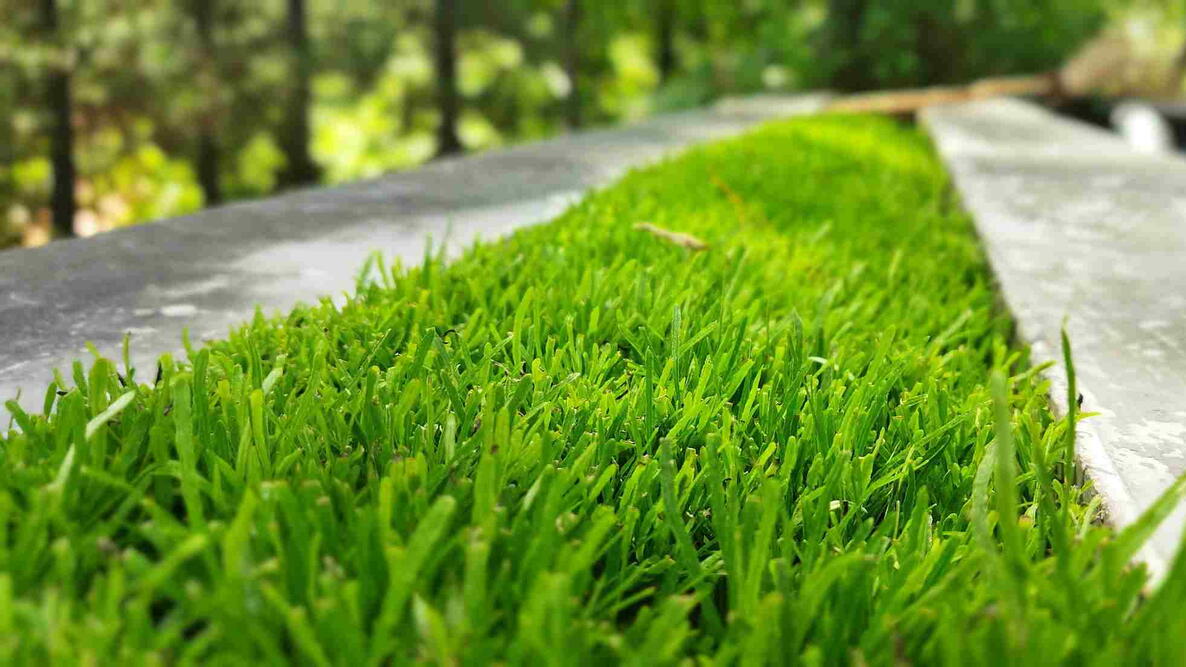
close-up of St. Augustine grass turf

A close-up look at St. Augustine grass reveals its dense growth—a perfect carpet for sunny and shady Southern lawns alike. Credit: Doikanoy

Caption: Dense, green, and vibrant, St. Augustine grass is a staple for lawns in the South and Florida in particular. Credit: Doikanoy

Planting

While St. Augustine grass is shade-tolerant—a valuable trait for lawns with tree cover—it still needs some sun. Aim for a location that provides at least 4 to 6 hours of direct light per day. Its adaptability makes it a smart choice for homeowners seeking a single turfgrass species across varied conditions.

When to Plant

St. Augustine grass is a warm-season turfgrass known for its lush, dense growth and tolerance to heat and humidity. It thrives in USDA zones 8 through 10, which include much of the Southeastern U.S., Gulf Coast, Southern California, and parts of Texas and Arizona.

To ensure healthy establishment, plant during the active growing season, when soil and air temperatures support vigorous root and shoot development. According to the Alabama A&M and Auburn University Extension, the optimal planting window is during St. Augustine grass’s active growth period, typically May through August. However, the University of Florida offers regional guidance since Southern Florida is a tropical zone.

Region  Ideal Planting Windows
South Florida (Zone 10) Year-round possible, but best in late fall through early spring
Central/North Florida    Spring or early fall; avoid cold winters and peak summer heat
Gulf Coast & Deep South
(e.g., AL, MS, LA, TX
 Late spring through summer; plant at least 90 days before first frost
Southwest U.S.
(e.g., Southern CA, AZ)
Late spring to early summer; ensure irrigation during dry periods
Coastal Southeast 
(e.g., GA, SC, NC)
  Spring or early fall; avoid planting during frost risk or drought

How to Plant

This might seem surprising, but unlike the majority of lawn grass species, St. Augustine grass is not propagated by seed. There is no commercially available seed for this grass, making sod or vegetative plugs the primary planting methods. While it does produce flowers and seeds, the seeds are often low viability and not sold commercially.

For new lawns, sod installation is the most reliable and popular choice. Plugs and sprigs, on the other hand, are best for filling in bare patches or repairing an existing lawn rather than starting from scratch.

Preparing the soil is crucial for successful St. Augustine grass establishment. This prep may include:

  • Removing existing grass or weeds
  • Tilling the soil
  • Conducting a soil test and adding amendments as needed
  • Grading to ensure proper drainage

After installing sod, water frequently to keep the soil moist during establishment, gradually reducing watering after a few weeks. Avoid fertilizing, mowing, or heavy foot traffic in the first few weeks to allow the sod to root properly.

For soil preferences, St. Augustine grass thrives best in slightly acidic to neutral soils, as noted by Louisiana State University.

St. Augustine grass next to tree trunk
St. Augustine grass can handle some shade, so it’s a possibility for lawns with trees. Credit: wasanajai

Growing

St. Augustine grass requires some maintenance to look its best—but hey, good things usually do! Here’s what you need to know to keep your St. Augustine grass lawn thriving.

Shade and Sun Requirements

Ensure your St. Augustine grass gets at least 4 to 6 hours of direct sun per day. Its shade tolerance makes it ideal for partially covered areas.

Watering Needs

During establishment, St. Augustine grass requires frequent watering to help roots take hold. Once established, it only needs regular watering and shows moderate drought tolerance, making it fairly resilient during dry spells.

Temperature Preferences

True to its Florida roots, St. Augustine grass thrives in warm temperatures ranging from 80° to 95°F. It will go dormant and brown in colder winter months.

Fertilizing

Regular applications of nitrogen-rich fertilizer are important for maintaining lush, green turf. The frequency of fertilization will depend on your local climate and soil conditions. Generally, multiple applications during the growing season keep the lawn vibrant.

Mowing and Maintenance

Mowing correctly is key with St. Augustine grass. You want to:

  • Maintain a mowing height of 3 to 4 inches (except for dwarf cultivars, which can be mowed slightly shorter)
  • Avoid mowing too short or letting it grow too long, as this can stress the grass
  • Keep your mower blades sharp to ensure clean cuts and reduce disease risk

Proper mowing encourages spreading and helps maintain a dense, healthy lawn.

Additional Care Tips

Aeration: St. Augustine grass benefits from annual aeration, especially in compacted soils, to improve air, water, and nutrient penetration to the roots. Early spring or early fall is ideal for aeration.

Thatch Management: This grass can develop a thatch layer (dead grass and roots) that can prevent water and nutrients from reaching the soil. Dethatching every few years or as needed helps keep your lawn healthy.

Pest Monitoring: Keep an eye out for common pests like chinch bugs and grubs, which can cause brown patches and damage. Early detection and treatment are key.

Weed Control: St. Augustine grass can struggle to compete against aggressive weeds, so timely weed control with pre-emergent herbicides or manual removal is important.

Disease Prevention: Although generally hardy, St. Augustine grass can be susceptible to fungal diseases such as gray leaf spot and brown patch in humid conditions. Proper watering (early morning), mowing, and good air circulation can help reduce disease risk.

Soil Testing: Periodic soil testing helps you maintain the right pH and nutrient levels, allowing you to amend the soil for optimal grass health.

Pests/Diseases

St. Augustine grass is a favorite across Southern lawns, but like all grasses, it has a few vulnerabilities you should watch for.

Common Pests

  • Chinch Bugs: These tiny but destructive pests are among the biggest threats to St. Augustine grass. They suck sap from grass blades, causing brown or yellow patches that can quickly spread if untreated. Keep an eye out and act fast at the first signs of damage.
  • Mole Crickets and White Grubs: Both can damage roots and cause thinning or dead patches in your lawn. Mole crickets tunnel through the soil, while grubs feed on roots underground.
  • Nematodes: These microscopic worms can infest St. Augustine grass roots, leading to weak growth and patchy turf.

Weed Issues

St. Augustine grass can be a bit sensitive when it comes to competing with weeds. Weeds not only detract from your lawn’s appearance but also rob nutrients and water from your grass. Use proper lawn care and timely weed control methods, such as pre-emergent herbicides and hand-pulling, to keep weeds at bay.

Diseases to Watch For

While generally hardy, St. Augustine grass can be affected by a few fungal diseases, including:

  • Large Patch: Causes circular patches of brown grass, typically in cooler, wet seasons.
  • Gray Leaf Spot: Produces grayish lesions on leaves, leading to thinning and decline if not managed.

Treatment and Prevention for St. Augustine Grass Pests and Diseases

Good lawn maintenance—like proper watering, mowing, and aeration—can reduce the risk of disease outbreaks.

Preventive Care:

  • Maintain healthy lawn practices: mow at the recommended height (3–4 inches), water deeply but infrequently (early morning watering is best), and aerate annually to reduce soil compaction.
  • Regularly inspect your lawn for early signs of pests or disease to catch problems before they spread.
  • Use high-quality, disease-resistant St. Augustine grass cultivars if available.

Controlling Pests:

  • For chinch bugs and mole crickets, insecticides labeled for lawn use can be effective—apply according to the product directions at the first sign of infestation.
  • Beneficial nematodes, a natural biological control, can help manage mole cricket and grub populations.
  • Keep your lawn well-watered and fertilized to help it recover from pest damage.

Managing Weeds:

  • Apply pre-emergent herbicides in early spring and fall to prevent common weeds.
  • Use post-emergent herbicides selectively for broadleaf weeds; always check label compatibility with St. Augustine grass.
  • Regular mowing and proper fertilization promote dense turf that crowds out weeds.

Fighting Disease:

  • Improve air circulation by trimming surrounding plants and avoiding overwatering or watering late in the day.
  • Fungicides can be applied to manage serious outbreaks of large patch or gray leaf spot—follow local extension service recommendations and product labels carefully.
  • Remove and dispose of severely diseased grass to reduce spread.

Wit and Wisdom

  • St. Augustine is the oldest city in the United States, established as a Spanish colony in 1565 — long before Florida became part of the U.S. The grass named after this historic city carries a bit of that old-world charm with it.
  • St. Augustine grass holds the title as the most widely planted lawn grass in Florida, making it a true Southern superstar.
  • The scientific name Stenotaphrum secundatum is used for St. Augustine grass in the U.S., but in places like Australia and South Africa, it’s often called buffalo grass. Confusingly, the “buffalo grass” known in the U.S. is actually a completely different species (Bouteloua dactyloides). So yes, grass naming can be tricky!
  • It’s also sometimes called carpetgrass. 

Frequently Asked Questions (FAQ)

Q: Can St. Augustine grass be grown from seed?
A: No, St. Augustine grass is not propagated by seed because commercially available seed is unreliable and rarely sold. It’s established using sod, plugs, or sprigs instead.

Q: Is St. Augustine grass shade-tolerant?
A: Yes! St. Augustine grass is one of the most shade-tolerant warm-season grasses, making it ideal for lawns with partial shade or trees.

Q: How often should I water St. Augustine grass?
A: Newly planted St. Augustine grass needs frequent watering to establish roots, but once established, it requires regular watering and shows moderate drought tolerance.

Q: What is the ideal mowing height for St. Augustine grass?
A: Mow St. Augustine grass between 3 and 4 inches for most varieties. Dwarf cultivars can be mowed slightly shorter.

Q: How do I control weeds in my St. Augustine grass lawn?
A: Regular mowing, proper fertilization, and using pre-emergent and post-emergent herbicides appropriate for St. Augustine grass help minimize weed problems.

Q: Can St. Augustine grass handle foot traffic?
A: Yes, it tolerates moderate foot traffic well, but heavy traffic may cause wear. Using plugs or sod can help repair damaged areas.

Q: In which USDA zones does St. Augustine grass grow best?
A: It thrives in USDA Zones 7 through 12, favoring warm, coastal, and southern climates.

About The Author
Samantha Johnson

Samantha Johnson

Author and Gardening Contributor

Samantha Johnson is an award-winning author and gardening expert with over 20 years of experience cultivating heirloom vegetables and sharing her passion for rural living.She combines her deep knowled...