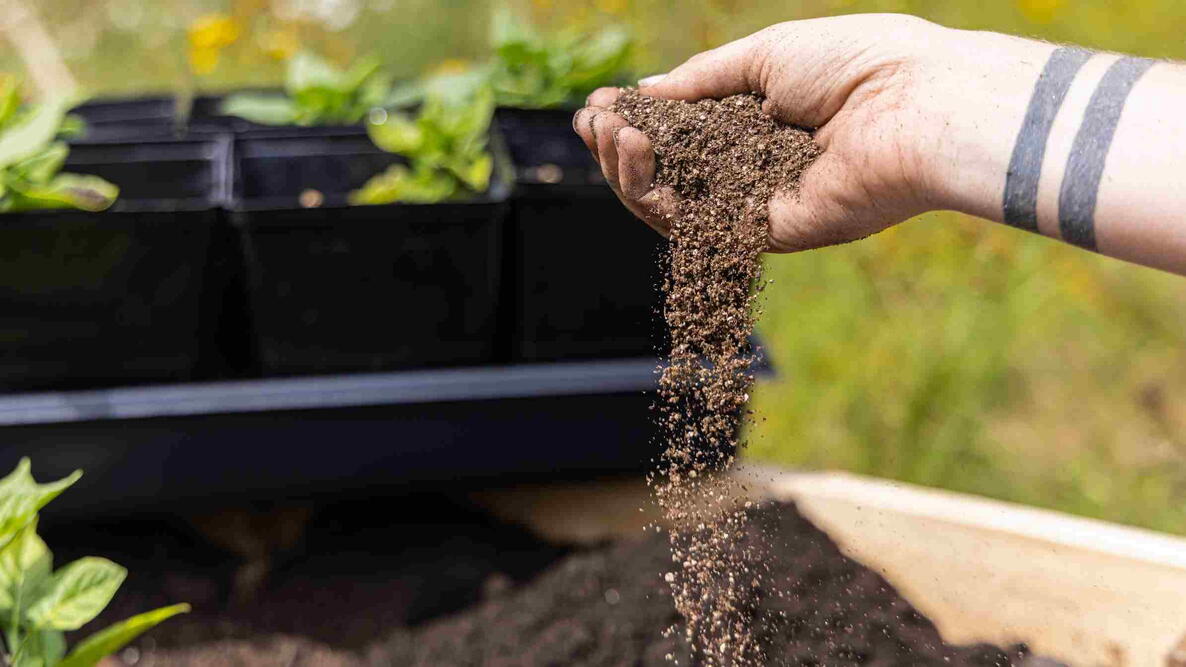

While you may be tempted to fill raised garden beds with just any old soil, hold that thought. Choosing the wrong type of soil for raised beds can lead to drainage problems, poor plant growth, and weed issues! Whether you’re planning to grow vegetables, herbs, or flowers, here’s a rundown of the worst and best soil for raised garden beds, plus tips on how to choose and maintain healthy soil so your plants grow stronger and more productive.
Why Soil Choice Matters
Have you built your raised bed? Ready to fill with soil? At first glance, soil just looks like—well—dirt. But not all soils are created equal, and some soils aren’t suitable for raised gardens.
Raised beds are famous for warming quickly in spring and draining faster than in-ground gardens, which helps plants grow earlier and reduces waterlogging. But much of that advantage depends on the soil you put in the bed. Using poor-quality soil can cause water to pool, roots to compact, and nutrients to be unavailable—slowing growth and reducing yields.
Soil in raised beds isn’t just “dirt in a box.” The right soil:
- Drains well: Prevents waterlogging and root rot, preserving the fast-draining benefit of raised beds.
- Provides nutrients: Supports healthy plant growth and feeds beneficial microorganisms.
- Supports roots: Loose, structured soil allows roots to grow deep and strong.
- Maintains proper pH: Most vegetables grow best in soil with pH 6.0–7.0; outside this range, nutrients may not be available.
By choosing soil that balances drainage, nutrients, and structure, you can take full advantage of the benefits raised beds offer while avoiding common problems like soggy beds, compaction, and weeds.
Key Soil Characteristics
Quality raised-bed soils can be composed of several different materials and varying concentrations of ingredients. We’ll advise on the best raised-bed soil in the next section, but first, it is essential to understand the qualities your soil needs to help plants thrive.
1. Drainage
Soil is a mix of sand, clay, and silt. What we want is a balanced mix called “loam,” which allows air and water to reach plant roots—exactly what your plants need to thrive. But even the best loam can become heavy or soggy if your raised bed doesn’t have a little extra help. That’s where sand comes in. Think of it as a secret ingredient for a soil that lets roots breathe. This is why most raised-bed soil mixes at the garden store include sand in the ingredient list.
2. Nutrient Content
Healthy soil isn’t just dirt—it’s alive! Worms, fungi, and beneficial bacteria all help break down organic matter and feed your plants. That’s why adding compost is so important. Experts recommend mixing 25–50% compost into your raised-bed soil to keep the beneficial organisms thriving and to provide your plants with the nutrients they need.
3. pH Levels
Most plants prefer soils with a soil pH between 6.0 and 7.0, and soils that are too alkaline or acidic can lead to poor plant growth and nutrient deficiencies. Raised-bed soil mixes have an optimal pH for most garden plants. Find out the pH of your garden soil by getting a simple soil test. This is important because plants cannot uptake nutrients in soil with the wrong pH, no matter how much you fertilize.
Avoid Contaminants
Rocks, weed seeds, bits of plastic — they’re the party crashers of your garden soil. Plant roots can not reach down into soil that has rocks. Purchasing soil and amendments from reliable sources is the best way to avoid these issues!
Recommended Soil Mix for Raised Beds
For most gardeners, a proven, general-purpose mix works well:
- 40% topsoil – provides structure and minerals
- 40% compost – feeds plants organic matter and nutrients
- 20% coarse sand (or perlite) – for drainage and airflow

Optional Adjustments:
- Add extra sand for Mediterranean herbs or beds that need very fast drainage.
- Replace compost with vermicompost or aged manure for extra fertility.
- Use peat moss or coconut coir to lower pH for acid-loving plants.
This approach gives gardeners a clear starting point while allowing flexibility.

Types of Soil and Materials
Raised-bed soil is typically sold in bags or bulk from garden centers and landscaping companies, but it can also be created at home if you have the right ingredients on hand. In the list below, you’ll find some of the most common soil varieties and materials that can be used to fill up raised beds. However, as you’ll soon see, some of these materials work better than others!
Native Soil
Unfortunately, native garden soil is far too dense for raised gardens and can become waterlogged and overly compact in raised beds. Not to mention, garden soil often contains weed seeds that can transform raised beds into weedy jungles in no time flat.
If you do decide to use native soil in raised beds, mix with compost and sand, and add only a few inches to the base.
Topsoil
Topsoil can refer to the top few inches of native soil naturally found in your garden, but in the gardening world, the term is more commonly applied to a type of soil that can be purchased in bags or in bulk from landscaping companies. It contains a mix of sand, silt, and clay, which gives the soil structure and increases water retention.
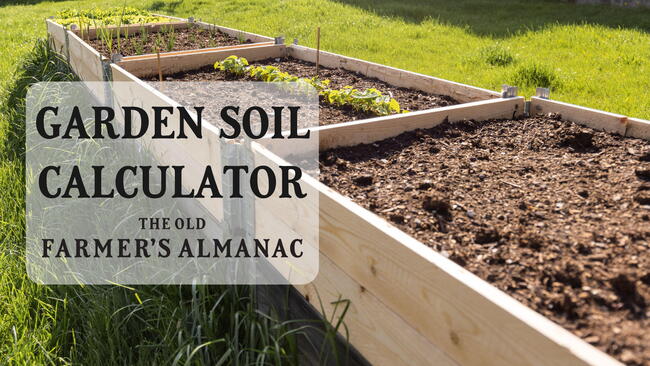
It’s too heavy on its own in raised beds and needs to be mixed with equal parts coarse sand and compost first! Also, don’t guess how much you need; use The Old Farmer’s Almanac’s topsoil calculator!
Sand
Sand doesn’t contain many nutrients but is important to healthy soil for drainage and to keep the soil from compacting. Most raised-bed soil mixes include coarse or horticultural sand for structure.
Store-Bought Raised Bed Mix (Recommended)
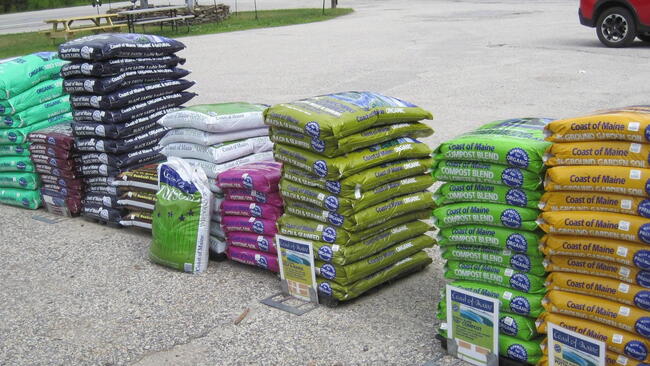
Pre-mixed soils are the absolute best choice for raised gardens—unless you make your own soil blend. Convenient and balanced, they should contain the right mix of topsoil + compost + sand.
Raised-bed soil is heavier and provides better structure for plant roots. It’s also lighter weight than topsoil. It provides the right structure, nutrients, and proper drainage.
Tip: See our Garden Soil Calculator for Raised Beds and Containers to find out exactly how much soil you need—and the perfect mix to help your plants thrive.
DIY Soil Mix
Create your own mix with equal parts topsoil, sand, and compost. Optional variations:
Swap out the compost for vermicompost or aged manure.
Blend in some peat moss or elemental sulfur to lower the pH for acid-loving plants, like potatoes.

Cost-Saving Tip
Fill the lower ⅓ to ½ of the bed with organic matter like straw, chopped leaves, logs, or twigs. These materials break down over time, enriching your soil and reducing the amount of purchased soil needed. Read more about how we fill our raised flower beds.
Potting Soil (Not Recommended)
Potting soil is best for containers, not raised beds. Alone, it doesn’t provide enough structure or retain water effectively in larger beds.

| Soil Type | Drainage | Nutrients | Root Support | Best Use | Notes |
|---|---|---|---|---|---|
| Native Soil | Poor | Moderate | Poor | Bottom layer only | Mix with compost & sand |
| Topsoil | Moderate | Moderate | Moderate | General | Needs compost & sand |
| Sand | Excellent | Low | Moderate | Improves drainage | Mix in small amounts |
| Store-Bought Mix | Excellent | High | High | All-purpose raised bed | Convenient & balanced |
| Potting Soil | Poor | Moderate | Poor | Containers only | Not recommended for raised beds |
Soil Amendments
Compost
We discussed the importance of amending your soil with compost. It provides nutrients, supports microorganisms, and improves structure.
Compost can be made at home from yard waste and kitchen scraps, or it can be purchased in bags or in bulk. Packed with the nutrients that plants crave, compost acts like a slow-release fertilizer and is always appropriate to add to raised beds. That said, compost needs to be mixed with soil, as it doesn’t hold onto water well on its own.

Vermicompost
Made from worm castings, which are nutrient-rich, vermicompost can be used as a supplement to improve the structure and health of raised bed gardens.
However, like compost, vermicompost is intended to be used as a soil additive, not a substitute for soil. For best results, use vermicompost in combination with raised bed soil, topsoil, and sand, or blend it into a store-bought raised bed mix for extra nutrients.
Aged Manure
Never use fresh manure; it can burn plants and pose health and safety risks. Properly aged manure is a soil additive that provides a wealth of nutrients to growing plants. Aged manure is usually used in place of compost or vermicompost. However, it must be mixed with coarser soil and sand for proper drainage!

Peat Moss or Coconut Coir
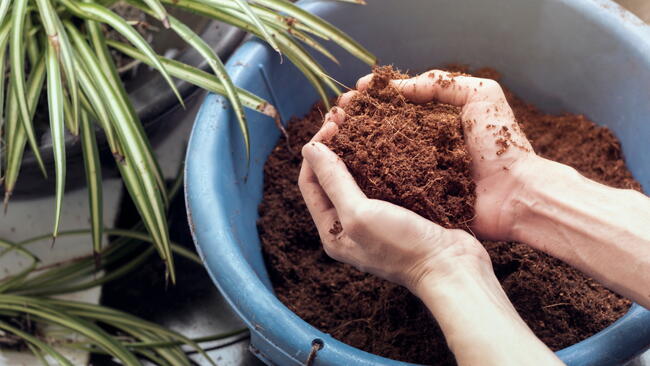
Peat moss and coconut coir enhance water retention and aeration. Acidic peat moss can also be used to lower soil pH. However, these products don’t contain many nutrients and can make gardens soggy and overly acidic if they’re applied in high concentrations. If you plan to use either of these products in raised beds, mix them with topsoil, compost, and sand before use. Consider using more sustainable coconut coir as an alternative to nonrenewable peat moss.
Maintaining Healthy Soil in Raised Beds
- When you start out with new raised beds, mix raised bed soil with compost.
- At least once a year in spring or fall, top off established beds with a 1–2 inch layer of compost, vermicompost, or aged manure.
- Follow with a layer of organic mulch to protect soil from erosion, leaching, and weeds.
This top-dressing of organic matter and mulch will keep raised beds from becoming nutrient-deficient and protect the soil from the elements, leaching, and weed seeds.
Summary
Raised beds give you control over your soil. Most thrive with a mix of 40% topsoil, 40% compost, and 20% sand (or perlite). You can, of course, adjust those percentages. Some gardeners prefer an even mix.
You have complete control over your soil. You can completely customize raised bed soils to suit the specific needs of the plants you’d like to grow. Try adding soil acidifiers like peat moss to lower the soil pH for acid-loving plants. Blend in extra sand to increase drainage for Mediterranean herbs. Apply additional vermicompost, compost, or aged manure to fuel the growth of heavy-feeding crops like pumpkins. Alternatively, keep it simple with a store-bought raised bed mix. It’s up to you!
Adding organic matter, adjusting pH, and feeding with compost or manure will create a productive, nutrient-rich environment that keeps your garden flourishing year after year.

More Like This


Comments