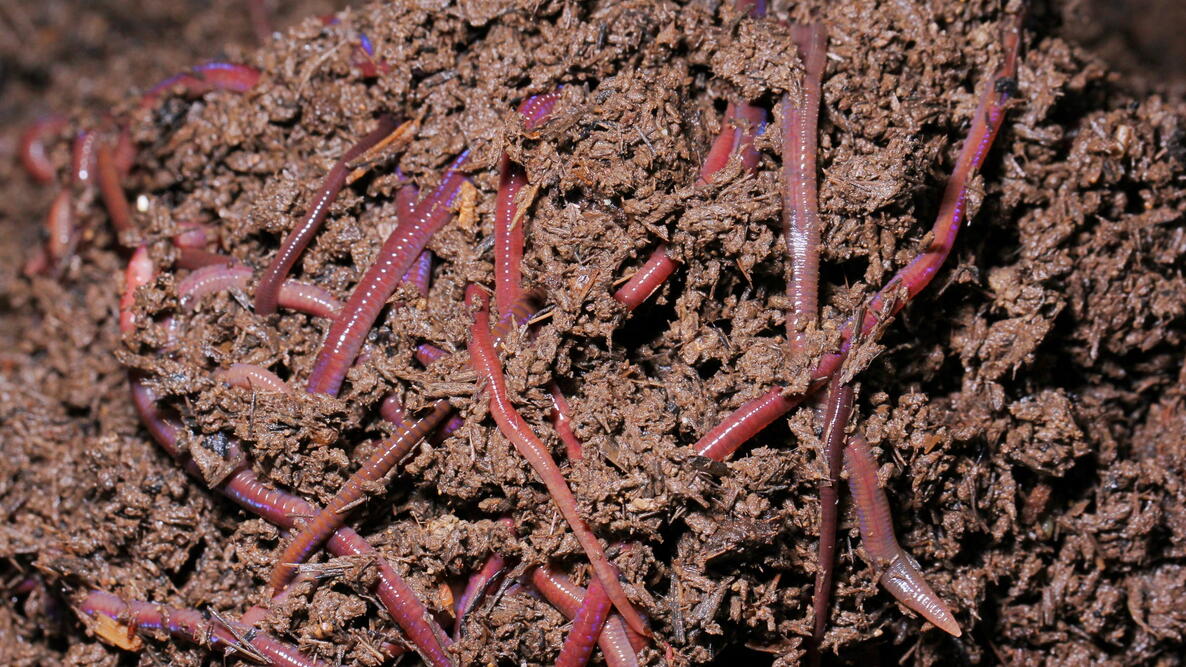

Worm castings—sometimes called vermicast or vermicompost—are nature’s supercharged fertilizer. These tiny nuggets of worm poop are packed with nutrients, beneficial microbes, and organic matter that improve soil health, boost plant growth, and even help repel pests. Whether you’re starting seeds, amending garden beds, or brewing compost tea, worm castings are a simple, natural way to give your plants a nutrient-rich boost. Learn what they are, why they’re so valuable, and how to use them to grow healthier, more productive gardens.

What Are Worm Castings?
A casting is something that is cast out or thrown off. So, the term worm castings is just a fancy way of saying … worm poop! Yep, it’s the droppings that earthworms leave behind after everything they eat passes through their digestive tract.
In nature, this starts happening in the spring. Traditionally, we call March’s full Moon the “Full Worm Moon.” It’s named for the early worm castings that promise robins to come.
| Feature | Worm Castings |
|---|---|
| N-P-K Value | 1.5–2–1 (Nitrogen–Phosphorus–Potassium) |
| Moisture Retention | Can hold 2–3× their weight in water |
| pH | Neutral (around 6.5–7.0) |
| Common Uses | Seed starting, soil amendment, fertilizing, compost tea, container plants, garden beds |
| Other Benefits | Improves soil structure, adds beneficial microbes, enhances nutrient absorption, repels pests |

How Are Worm Castings Made?
Why Worm Castings Are Nutrient-Rich
Worms are mini composters, eating half their body weight in plant material daily. Their gizzard grinds up soil and plant residues, and their gut mixes them with digestive enzymes.
Whatever is left after the worm absorbs the nutrition it needs is excreted along with helpful bacteria, fungi, microbes, and mucus, producing a superior “end” product with a perfect pH balance.
Vermicomposting Process
Also called “vermicomposting,” earthworms provide a natural method to convert organic waste (garden crop remains, fruit and vegetable leftovers, yard trimmings) into a humus-like material known as vermicompost.
Learn more about vermicomposting.
10 Benefits of Worm Castings
There are many benefits to using worm castings:
- Each casting is shaped like a tiny oblong ball. Its unique form improves the soil’s structure by adding spaces for air and water to flow. This increase in porosity improves drainage and aeration.
- Castings provide both slow-release and water-soluble nutrients, giving your plants a quick hit of fertilizer while adding valuable minerals such as calcium, iron, potassium, sulfur, magnesium, and phosphorus to your soil for plants to draw on later.
- Coated with mucus, castings release many of the nutrients over time, so they will not burn your plants or pollute waterways like chemical fertilizer or fresh manure.
- Along with adding organic matter and minerals, castings contain a high amount of humus, which helps soil particles form into clusters, improving the soil’s moisture-holding capacity. Worm castings can hold 2 to 3 times their weight in water.
- They contain beneficial microorganisms, fungi, enzymes, and bacteria that can protect plants from disease.
- Castings have an average N-P-K value of 1.5-2-1 with a neutral pH.
- They contain humic acids and plant hormones, which encourage strong roots. This aids plants in nutrient absorption and stimulates growth.
- Using worm castings can increase yields by as much as 25%.
- They have been shown to repel pests such as aphids, mealybugs, and spider mites.
- Better than ordinary compost, worm castings contain more beneficial soil microbes and have no seeds or insect eggs.
How to Use Worm Casting in the Garden
Here are many ways that castings can play a valuable role in your garden:
Seed Starting
Add castings to your planting mix when starting seeds to speed germination, hold moisture around new seedlings, and supply them with nutrients. The University of Arizona found that “plants started in worm castings grew three times faster than identical plants grown in potting mix.”
Soil Amendment
Mix in with the soil at planting time to reduce stress on new transplants and encourage strong root growth. Add just a few teaspoons to the planting hole for small starts and up to ¼ cup for larger plants. For container plants add no more than 20% to the potting soil.
Fertilizing & Side-Dressing
Side-dress your plants by sprinkling a handful on top of the soil around each plant. Gently scratch it in and water. Plants with vermicasts grow 10 to 20% larger than those without.
Compost Tea
Make worm tea by steeping castings in water for a few days. Use the diluted liquid to water plants or spray on the leaves. For a supercharged tea, use an aquarium pump or air stone to oxygenate the liquid as it brews. Adding a little food for the microbes, such as kelp, alfalfa meal, or blackstrap molasses, will increase the population, and brewing time will be reduced to 24-36 hours. It is best used immediately. Pour a pint around the base of each plant.

A Few Tips for Using Worm Castings
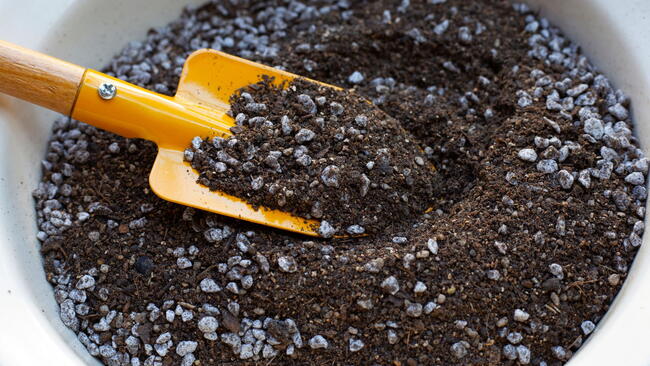
- When buying worm castings, look for moist, dark brown, or black castings with a crumbly texture. They should not have a bad smell or contain any rocks, sticks, or other debris.
- If you don’t use all your castings, store the remainder out of direct sunlight. UV radiation will degrade it. They will keep for six months or so but are best used fresh while the microbes are alive and active. Don’t smother the life out of it by wrapping it in plastic.
- For the best results, studies have shown that when mixing castings with potting soil, use no more than a 1:4 ratio of castings to soil. Any higher than 20% castings in the soil does not improve growth.
- The quality of commercial worm castings depends on how they have been stored and what the worms have been eating, so you might want to try your hand at worm farming to produce your own worm castings. Called vermicomposting, it is not hard to do at home and is an inexpensive way to make your own fresh, high-quality soil amendment.
Have you tried using worm castings in your garden? Share your results in the comments below!

More Like This

Comments