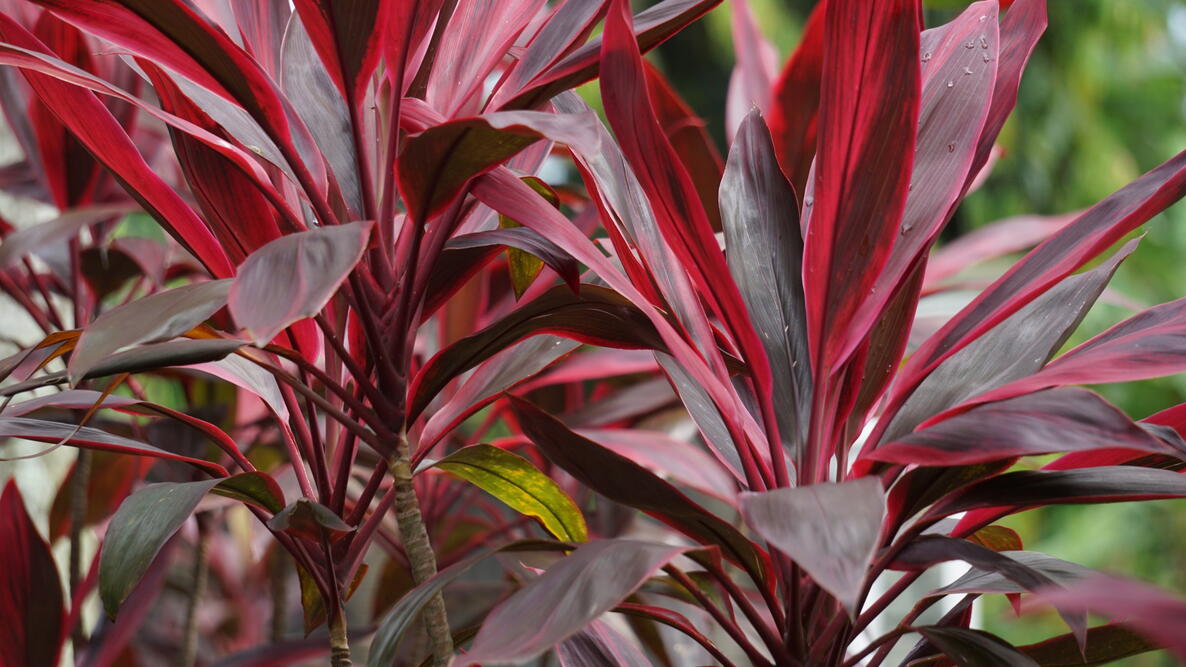

Want to turn your home or garden into a mini tropical paradise? Meet cordyline: the plant with leaves sharp enough to catch attention and colors bold enough to make your neighbors jealous. Whether you’re aiming for a lush indoor statement or a sunny patio showstopper, cordyline delivers exotic flair with surprisingly low fuss. Let’s dive into what makes this tropical stunner a must-have for plant lovers.
About Cordyline
Cordylines are members of the Asparagaceae family and cousins to agave. It’s a broadleaf perennial that is winter hardy in Zones 9 to 11, so it’s treated as a houseplant or a container plant that’s winterized in most areas. The large leathery leaves add drama and an architectural feel, whether you dream of a towering outdoor specimen or a compact houseplant.
Among the 15 species and many more varieties, cordylines have distinctive leaf shapes, sizes, and colors: foliage shades range from pink, red, purple, and green to orange and white, often in combinations. Many cordylines produce flowers followed by berries; container plants outdoors seldom bloom, but houseplants may.

The most common species among home gardeners is Cordyline fruticosa, which in temperate zones typically winters indoors as a houseplant and summers on a porch, patio, or poolside.
This plant also boasts a rich history, from the mythical allure of the Ti plant, which is believed to ward off evil spirits, to the practical use of its leaves as a cabbage substitute.
Growing

How to Care for Cordyline Outdoors
Light: For the best color, place multicolor cordylines in dappled light; protect them from direct sun, which can burn their leaves. Green-leafed plants do best in direct sun.
Water: Water regularly; cordylines like consistently moist soil but not “wet feet” (standing water) from spring to fall. C. fruticosa grown as a houseplant requires watering when the surface of the growing medium feels dry; provide enough water to cause it to flow out of the container.
Fertilize: Fertilize in spring, if desired, with a granular, slow-release formula or apply a balanced liquid formula at half-strength weekly. Avoid fertilizing in winter.
Pruning
A healthy plant should have stems of varying heights and, depending on the variety, usually grow up to 3 to 4 feet.
If the stem becomes leggy and/or the foliage is unattractive, in late winter, remove the foliage top, leaving 1 foot of bare stem. New growth will emerge.
Overwintering
Overwinter cordyline in a bright, sunny spot in a home or greenhouse at 60°F or higher. Reduce watering and provide humidity indoors. Consider placing the plant in a bathroom, setting it on a pebble tray, and/or misting the foliage.
Yellow foliage could indicate overwatering, too much sunlight, and/or drafts. To address, reduce watering and/or move the plant out of direct sunlight and away from drafts.
Pests and Problems
Cordyline are pretty resistant to most pests and diseases, but can sometimes suffer from root rot and mealybugs.
Root rot occurs when you overwater these plants. They like to be kept moist, but not soggy! Watch out for drooping or yellow leaves—this will be your first sign that you’re overwatering.
Mealybugs are pests that cause yellow and distorted leaves. You’ll find them under leaves and near stems. Telltale signs include finding sooty mold which they secrete after sucking the sap from the plant. To remove, isolate the plant and treat it with soapy water, neem oil, or insecticidal soap.
Other diseases and pests to watch out for include:
Diseases: bacterial leaf spot, fungal leaf spot, Fusarium root rot.
Pests: fungus gnats, scale insects, spider mites, thrips.
Other Common Problems
Brown-tip foliage indoors could indicate underwatering. Try watering your plant and placing it somewhere with more humidity.
Yellow leaves may be a sign your plant is receiving too little water. You don’t want the growing medium to be soggy, but you want to keep it moist. Make sure to water your plant when the top of the medium is dry.
Sometimes, cordyline can grow much bigger than you want them to. This problem is easily solved; simply cut down to the height you want them to be.

Summary
Cordyline is a versatile and vibrant plant that thrives in the right conditions.
Ensure they have the correct amendments, light and water requirements, and protection from frost and strong winds, and you’ll be rewarded with striking foliage for your outdoor or indoor space.
Types
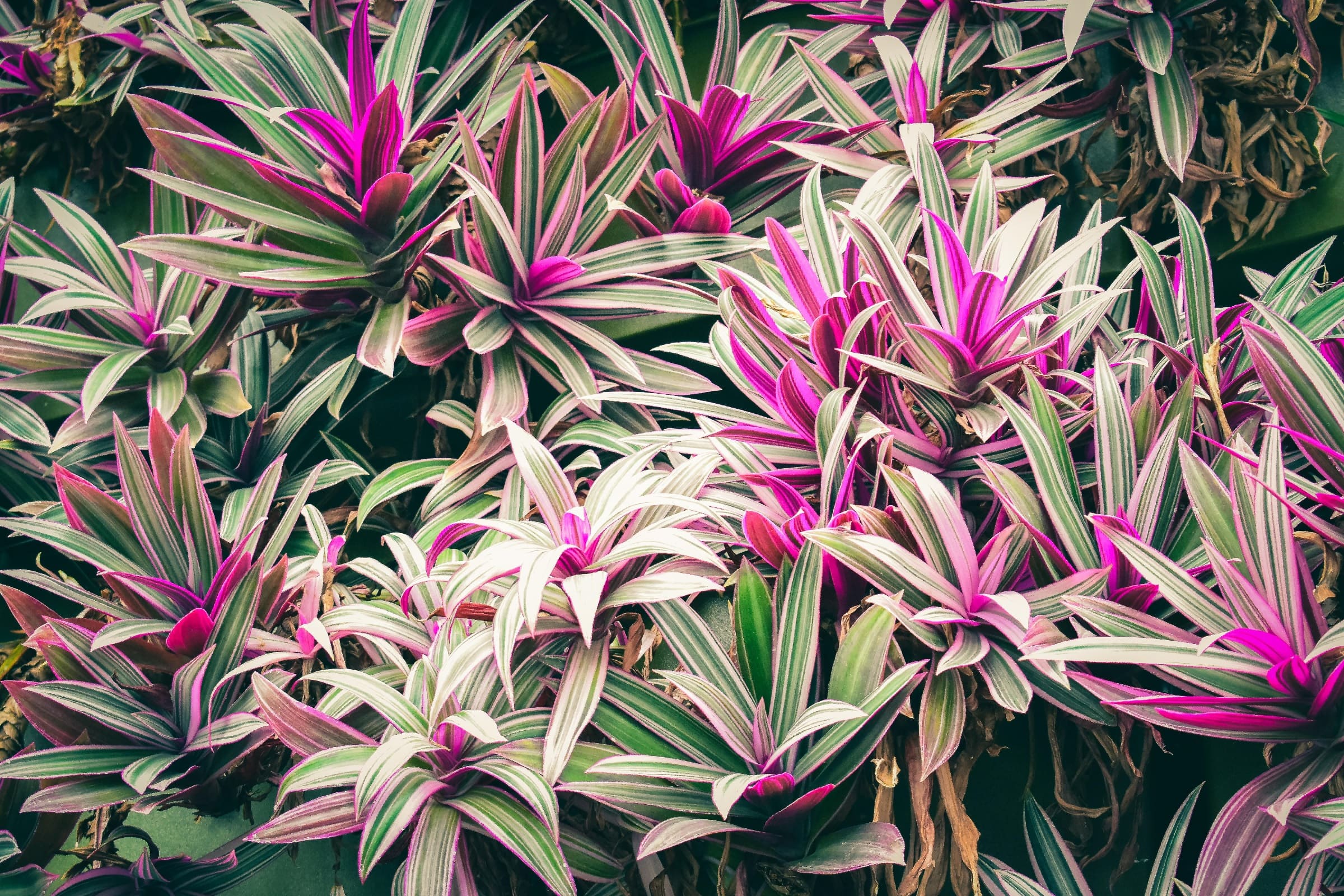
- Cordyline banksii ‘Sprilecpink’, aka Electric Pink: hardy in Zones 9 to 11; 4 to 8 feet tall; dark maroon spikes with brilliant pink edges
- C. fruticosa ‘Exotica’: hardy in Zones 10 to 12; 3 to 5 feet tall; variegated green, cream, and pink-green leaves
- C. fruticosa ‘Red Sister’: hardy in Zones 9 to 12; up to 6 feet tall; foliage emerges bright pink before gradually darkening to cherry red with burgundy variegation
- C. fruticosa ‘Singapore Twist’: hardy in Zones 9 to 11; up to 8 feet tall; green leaves with burgundy undersides and bright pink stems in fan form
- C. australis ‘New Zealand Cabbage Tree: hardy in Zones 9 to 11; grows from 6 to 30 feet tall; broadleaf ever-green leaves in a variety of colors.

More Like This

Comments