
Before you pour salt on your driveways to melt snow and ice, consider its impact on your plants, pets, pavement, and water quality. Explore seven less harmful ways to melt ice—as well as ways to use less salt!
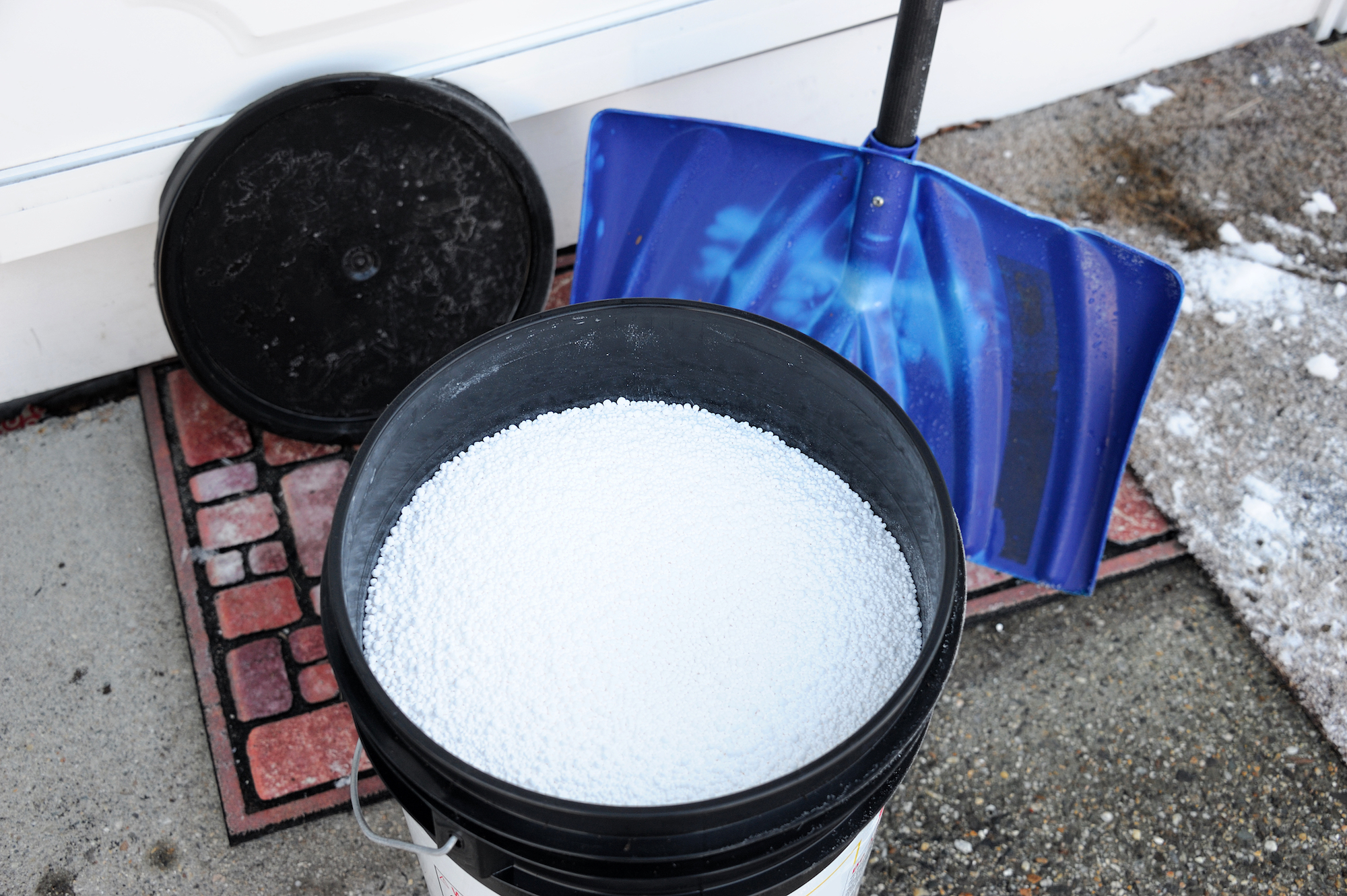
Rock salt (sodium chloride) has been the conventional choice to melt ice on driveways and sidewalks as salt has a lower freezing point than water. Rock salt is effective to approximately 12°F but can damage soils, kill plants and grass, and cause driveway and car problems. It’s also toxic to animals when ingested. Plus, if you care about keeping local waters pristine, salt causes problems with the over-salinization of rivers and lakes.
Why Rock Salt Causes More Harm Than Good
- If your front walk or driveway is made of porous paving materials like concrete or brick, salt causes freeze-and-thaw cycles that eat away and make it prone to cracking and crumbling.
- Salt can dry out and burn your pets’ sensitive paws, causing painful cracks and open sores. Licking the salt off also puts pets at risk for gastrointestinal problems. If they ingest enough salt, it can be lethal!
- Salt runoff can contaminate well water and reservoirs and wash into lakes and streams, where it is toxic to fish and amphibians.
- Salt injures plants in many ways, often causing a slow death. Roots take up salt, which accumulates in plant tissues, causing nutrient imbalances. Salts also make it difficult for some roots to absorb water, which leads to dryness and drought stress.
- Large amounts of sodium can chemically change the clay in the soil, decreasing drainage.
- Salt spray splashed up from the roads can cause chemical toxicity to the plants, especially evergreens.
- Salty deposits on the surface of twigs, leaves, and buds dehydrate them and interfere with photosynthesis, transpiration, and respiration.
How to Recognize Salt Damage in Your Landscape
The University of Wisconsin lists these signs of salt damage to be on the lookout for:
- Browning leaf edges
- Wilting during hot, dry weather
- Off-color foliage
- Stunted growth
- Fewer or smaller leaves
- Yellow leaves are a sign of chlorosis
- Premature fall color and early leaf drop
- Smaller than normal flowers and fruit
- Evergreens with discolored needles
7 Eco-Friendly Alternatives to Rock Salt
There’s no perfect ice-melt solution, but here are some solutions that are less damaging than 100% rock salt.
1. Rubbing Alcohol
In a bucket, mix 1/2 gallon of warm water with 6 drops of dish soap and 1/4 cup of rubbing alcohol ($1.99 for 16 ounces where I live, which would make MANY batches). Splash this around on your icy spots and watch the ice bubble up and melt away. It’s very effective and satisfying! The rubbing alcohol has a much lower freezing point than water, so it thaws ice and prevents re-icing! (Rubbing alcohol often appears as one of many ingredients in commercial ice melts.)
You can also combine the alcohol with water in a spray bottle, creating a portable ice-melting solution to keep in your car to defrost your windshield! Often, airplanes use rubbing alcohol to defrost the wings.
2. Epsom Salt
Epsom salt isn’t as harmful to plants or vegetation as rock salt (or table salt). You may already have some on hand from the garden. It is an abrasive and melts ice slowly. To speed up your Epsom salts’ melting power, combine sugar and Epsom salt in a 1:1 ratio. As Epson salt costs more than rock salt (6 pounds for $5.29 where I live), perhaps save it for the front steps when company is coming. Learn about using Epsom salt in the garden.
3. Garden Fertilizer/Alternative Salts
Check your garage to see if you have any fertilizer left over from gardening, and check the label for the ingredients below. These salts are slightly gentler than rock salt, though they are more expensive, and they still have some of the disadvantages of salts described above.
- Calcium chloride is a popular ingredient in commercial deicers and melts ice to about -25°F, lower than rock salt. It will form slippery surfaces on its own, so mix it with sand—1 part to 3 parts—to stretch it and add abrasive qualities. It’s very quick-acting and melts ice almost instantly. It’s less damaging to concrete than other ice melts. However, overapplication can still harm plants as well as corrode metals, damaging your car. Plus, its strength makes it the least pet-friendly of the salts and very irritating to pets’ paws.
- Magnesium chloride is effective down to 0°F and is a popular ingredient in deicers. The advantage is that it offers a more environmentally friendly alternative to calcium chloride. It causes minimal damage to surfaces, is less harmful to plants, and is less irritating to pets’ paws than rock salt or calcium chloride. However, keep it mind it’s still a salt, so it still has the issues of salt residue and crumbling driveways as all salts, just less severe.
4. Urea
While also an ingredient in fertilizer, Urea (carbonyl diamide) is not salt-based. It’s environmentally safe and doesn’t cause damage to concrete. It’s often used on airport runways. It can melt ice down to temperatures of 15℉. In the spring, you might notice that the edges of your lawn grow more vigorously! The ASPCA Animal Poison Control Center recommends a urea-based product as it’s gentlest on pets’ paws and least likely to cause poisoning. Urea is different because it doesn’t pull water from paws as much as salts. If eaten, urea is nontoxic to dogs (though it may cause vomiting).
5. Calcium magnesium acetate (CMA)
A new, salt-free melting agent, CMA works differently than other materials in that it does not form a brine-like salt. Instead, it helps prevent snow particles from sticking to each other or the road surface. CMA is made from dolomitic limestone and acetic acid (the main compound of vinegar). This material has little impact on plants and animals and is a good alternative for environmentally sensitive areas. It’s considered biodegradable and does not damage brick or concrete surfaces. That said, it is a more expensive alternative.
6. Natural Fertilizer
Options include alfalfa meal, wood ashes, and coffee grounds. Alfalfa meal is a great nonchemical fertilizer that won’t burn your plants. Wood ash from your fireplace contains potassium salts that help melt ice. Ash also absorbs solar energy, increasing the temperature to melt the ice. All of these abrasives will help speed melting AND improve traction. Plus, they have relatively few impacts on the environment or plants.
7. Salt Plus Hot Water
Here’s a way to use rock salt but also lessen the harm it does—while increasing its effectiveness and speed! Be aware that salt shouldn’t sit on top of the ice; it must permeate the ice. However, when that water refreezes, the corrosive effect of salt damages the concrete. The trick is to use hot water to melt the ice and then a small amount of salt to prevent the liquid water from refreezing.
For your doorsteps or a stubborn area, boil a large pot of hot water and gently pour it over ice. The trick is to sweep the water off the surface so that it doesn’t get cold and freeze. Then sprinkle the salts. Using hot water is less harmful and more effective—plus, you will use less salt.
Rock Salt vs. Safer Alternatives Comparison Chart
| De-Icer / Method | Melting Temp | Pet-Safe? | Plant-Safe? | Pavement Damage Risk | Cost | Best Use |
|---|---|---|---|---|---|---|
| Rock Salt (Sodium Chloride) | ~20°F | ❌ No | ❌ No | High | Low | Large areas, cheap bulk use |
| Calcium Chloride | -25°F | ⚠️ Use with caution | ⚠️ Mild risk | Medium | Medium | Extreme cold, fast melting |
| Magnesium Chloride | ~5°F | ✅ Generally safe | ⚠️ Mild risk | Low-Medium | Medium | Pet areas, moderate ice |
| Calcium Magnesium Acetate (CMA) | ~20°F | ✅ Yes | ✅ Yes | Very Low | High | Eco-sensitive areas |
| Potassium Chloride | ~25°F | ⚠️ Okay in small amounts | ❌ Not plant-safe | Medium | Medium-High | Light ice only |
| Urea | ~25°F | ⚠️ Safer for paws | ❌ Damages plants | Medium | High | Light ice near animals |
| Sand / Grit | No melting | ✅ Yes | ✅ Yes | None | Low | Traction on ice |
| Kitty Litter | No melting | ❌ Can be messy | ⚠️ Neutral | None | Low | Traction emergency only |
| DIY Rubbing Alcohol Spray | ~5°F | ⚠️ Avoid on paws | ⚠️ Neutral | Low | Very Low | Quick melt for small areas |
8 Ways to Use Less Salt
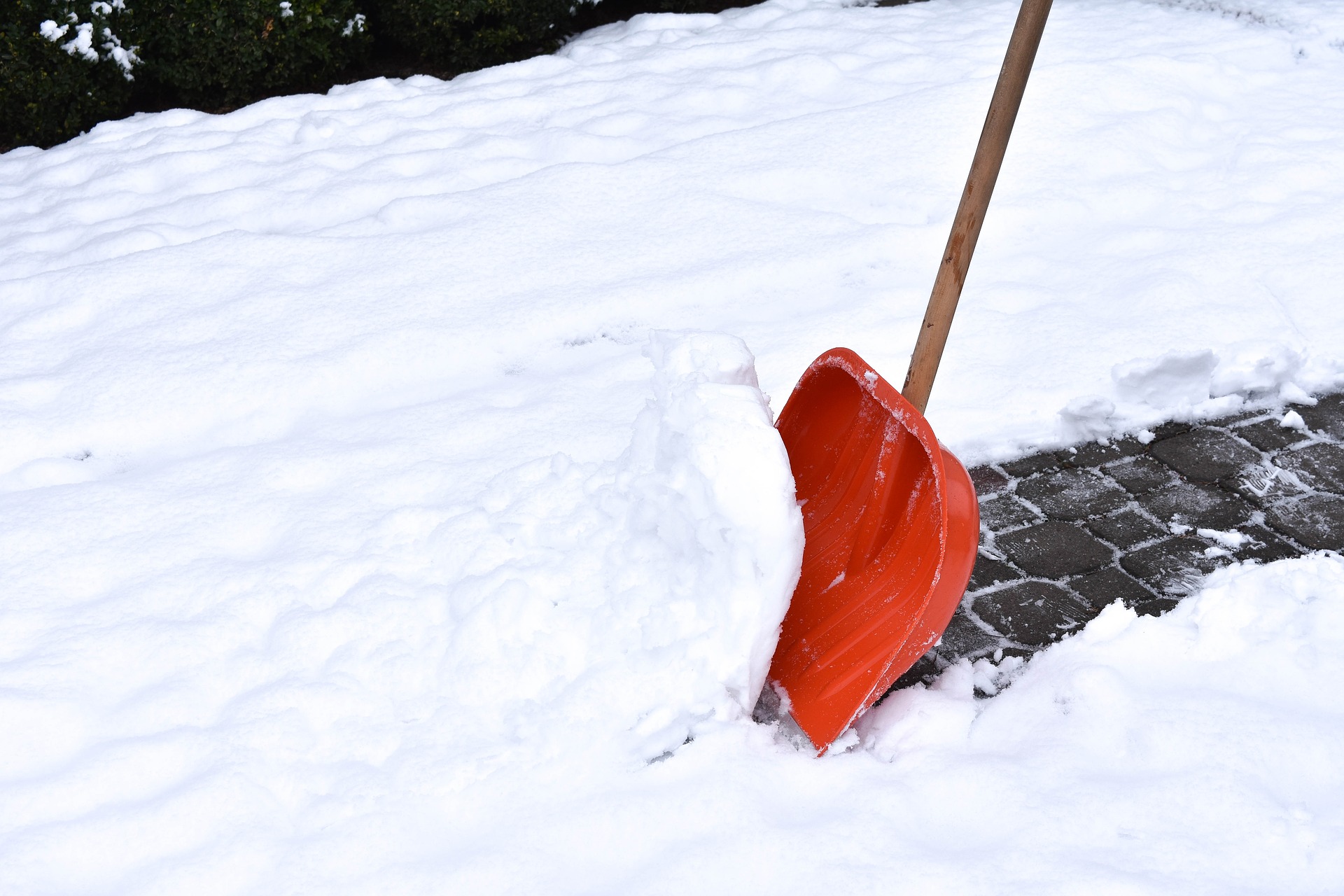
- Clear the snow first! The more snow and ice present, the more deicing compound is needed for melting. Use minimal deicing product to treat the pavement.
- If you use salt, don’t scatter it around willy-nilly. Put it in the spots where you need it, not over the entire driveway. For example, sprinkle it near the door and along the entryway to your house after you shovel off everything you can.
- Get a shovel with a sharp aluminum edge strip on the end of the shovel scoop. This metal strip is more effective at removing ice from your driveway!
- When landscaping, avoid planting right along the driveway. Plant any salt-susceptible plants away from roads and sidewalks.
- In the spring, irrigate the areas with snow/salt buildup to lessen the effects on the root zone of plants. Pay particular attention to any landscape beds heavily contaminated by salty snow and flush with fresh water as soon as possible.
- Salt-covered foliage should be hosed off with clean water as soon as possible.
- Use barriers, gutters, and hardscaping to channel deicing materials away from the garden and plants.
- If vegetation is located where heavy salt spray occurs, erect barriers or screens to protect plants (especially evergreens) during the winter months.
Best Abrasives for Instant Traction on Ice
If you are running out the door or have guests coming and you can’t wait for the ice to melt, toss kitty litter, sand, or sawdust by hand over the ice! Make sure it’s plain, non-clumping clay kitty litter (save the clumping perfumed stuff for inside the house). In general, it’s always a good idea to combine a deicer with an abrasive to keep folks from slipping.
Frequently Asked Questions
What is the best eco-friendly alternative to rock salt?
The best environmentally friendly alternative is Calcium Magnesium Acetate (CMA). It’s biodegradable, non-corrosive, and safe for pets, plants, pavement, and waterways. It doesn’t melt ice as aggressively as rock salt, but it prevents ice from bonding to surfaces.
What is the safest ice melt for dogs and cats?
Magnesium chloride is often considered the safest pet-friendly ice melt because it’s less irritating to paws and doesn’t heat up as quickly as rock salt. Always rinse pets’ paws after walks to prevent skin irritation.
Does rock salt harm plants and grass?
Yes. Rock salt changes soil structure, causes dehydration, and blocks plants from absorbing nutrients. This leads to browning, leaf burn, stunted growth, or dead grass along walkways and driveways.
Is there a way to melt ice without salt at all?
Yes! A few salt-free methods include:
- Rubbing alcohol + water mixture
- CMA ice melt
- Sand or grit (for traction rather than melting)
What melts ice the fastest in winter?
Calcium chloride is the fastest-working ice melt because it generates heat when it dissolves. It works down to -25°F, far below rock salt’s limit. The downside is potential pavement wear if overused.
What is the cheapest alternative to rock salt?
Sand is the most affordable option (though it doesn’t melt ice). For actual melting, DIY rubbing alcohol spray or magnesium chloride are budget-friendly and safer than rock salt.
Learn anything new today? Whatever deicer and abrasive you choose to use, keep the safety of people, pets, property, and the planet in mind!

More Like This
- « Previous
- 1
- 2
- …
- 10
- Next »

Comments