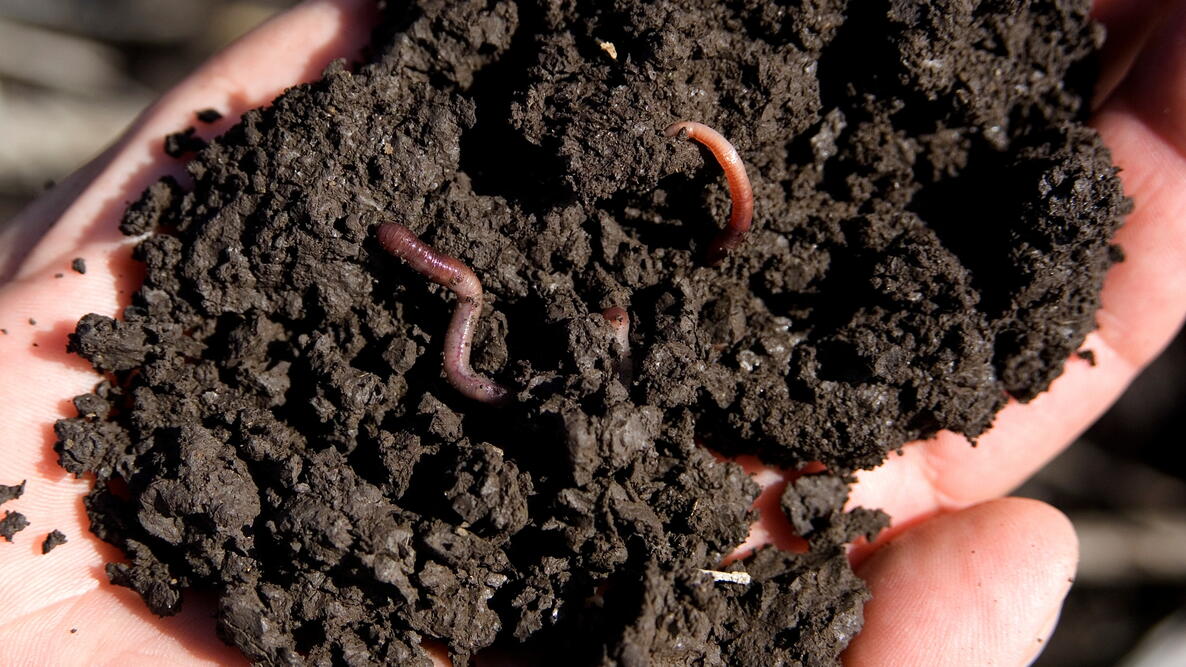

Want a healthier, more productive garden next year? The secret starts in the fall. Preparing your soil in autumn gives organic matter time to break down, improves soil structure, and ensures your garden is nutrient-rich come spring. These fall soil preparation tips will set the stage for strong, thriving plants—and bigger harvests.
Why Prepare Soil in the Fall?
Remember, soil is not dirt. Soil is live organic matter teeming with microbial life! Isn’t it convenient that nature gives us all those autumn leaves at the end of our harvest season?
And, if you’ve been composting your harvested crops and food scraps all season, you have that rich organic matter, too! This is why fall is such a good time to add nutrients back to the soil. It’s the cycle of life!
Also, adding organic materials in the fall allows time for them to decompose and break down over the winter. Soil high in organic matter contains a reservoir of nutrients that are slowly released over time, which improves root growth and biological activity.
3 Simple Ways to Improve Garden Soil in Fall
Now, let’s go through three techniques to ramp up your soil’s health to set the stage for next season’s growing success!
1. Reconsider Tilling
If you have a small garden or a raised garden bed, consider leaving the soil untilled. The problem with tilling is that it can disrupt soil structure, create more erosion, and kill earthworms.
- For a small garden, simply dig by hand to remove any weeds, old plants, and debris.
- Then add organic matter, but simply add a layer on top—and you can turn the soil lightly with a garden fork to mix it in.
Now, if you have a large garden, digging up all your weeds and old plants may simply be too much work. In this case, add organic matter before you till, and then consider covering the soil with some form of mulch to avoid erosion.
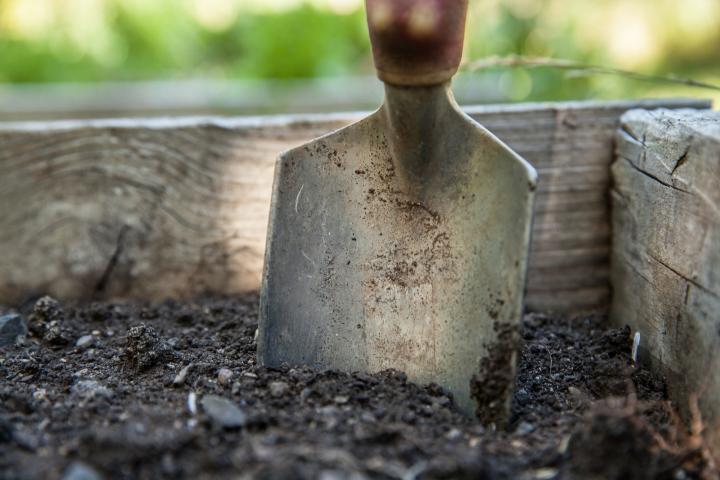
2. Cover the Garden with Compost, Leaves, or Cover Crops
How often do you see bare soil in nature? Not very often. And there’s a good reason for this. Bare soil is easily eroded by wind, rain, snow, and other weather elements, washing away all the nutrients.
In the garden, covering the soil during wintertime offers a number of benefits:
- It suppresses weeds and gives them a tougher time and also prevents soil erosion.
- By using organic matter such as compost, manure, or leaves, you’re gradually feeding the soil—specifically, the life within the soil. This, in turn, feeds the crops you grow in it.
So, what’s the best way to build the best possible soil? You don’t need to buy expensive soil amendments; much of the way you improve the soil is free or very cheap.
Cover with Compost or Manure
One of the easiest ways to cover the garden is with compost or manure. You can buy bags of compost at a local nursery but you can also make your own. You should be composting almost everything: kitchen scraps, pruning, leaves, cardboard, grass clippings. It’s free! See how to compost.
Manure is fantastic as well, but it has to be from a trusted source. You don’t want manure contaminated with herbicides, which could pass through a horse or cow and damage your crops. Learn more about the best manure for the garden.
How to add compost?
If it’s an established bed, add about 1 to 2 inches deep across your bed to keep the soil covered over winter, weeds suppressed, and worms busy. The worms will drag it down to the soil so that the microbes can work on it, too, releasing all those nutrients in time, and feeding your crop for next spring.
You can transport manure in the back of your car; if it’s fresh, stack it somewhere for about a year because fresh manure is too strong for most plants.

Cover with Leaves or Organic Material
You can also make use of readily available organic materials that haven’t rotted down, especially those autumn leaves! Just spread them out onto beds! Learn more about using leaves.
Or, spread wood chips around fruit bushes to keep weeds down as well as slowly release nutrients to feed your plants.
By the way, let’s dispel a myth. Wood chips do not rob the soil of nitrogen. Left on the surface, they create nothing but goodness, similar to a woodland floor. When you wish to plant, just push the wood chips aside.
Cover with Field Beans “Cover Crop”
If you start early enough (about 6 weeks prior to your first expected fall frost date), you can grow cover crops to build your soil. However, this assumes you aren’t growing fall crops, and you have the space. A cover crop will break down and add vital nutrients and organic matter to your soil. Cover crops also prevent erosion and suppress weeds.
One crop you can always plant is super-hardy field beans. Other examples of cover crops are winter wheat, winter rye, and annual ryegrass.
- To plant, first clean up any remaining crops and plant debris.
- Bury the seeds a couple of inches into the soil, and they’ll grow until spring.
- Or, use a garden spreader to broadcast the seed and lightly cover it with soil and water.
- Let the cover crop grow until early spring, then till it under. Wait a few weeks after tilling before planting.
You’ll end up cutting down your cover crops BEFORE they produce pods so that they can focus on fixing nitrogen from the air for their roots. When you chop them down, you can put the top growth into the compost heap for a full cycle of soil health!
See our Cover Crop Guide for more information.

3. Get a Soil Test
Before you spend all that time growing food, it’s worth finding out if your soil is lacking the right nutrients or is perfectly fine.
You’ve probably heard gardeners talk about soil tests before. Just do it! A soil test is the BEST way to know if your soil is ready for a bountiful harvest next year. And the BEST time to do a soil test is in the fall.
How to get one? Soil tests are offered for free or a small fee by most state university agriculture offices. Here is the list of Cooperative Extension Services for every state. It only takes a few minutes to take a representative soil sample and send it off.
You’ll find out if your soil has the right amount of nutrients for excellent plant growth. If you’ve never tested your soil, we recommend a basic soil test every 3 to 5 years.
Or, see three “quick and dirty” DIY soil tests to evaluate your soil.
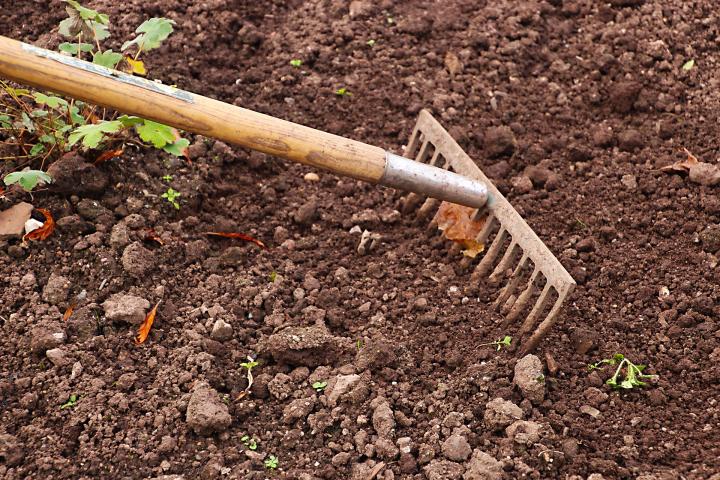
The soil test service will also give you not only the results but also recommendations and solutions for materials to add to your soil.|
For example, you may need to adjust the soil pH (the soil’s acidity/alkalinity).
- A proper pH is important for nutrient availability to plants. Most vegetables grow best in soils that are slightly acid, falling between the 6.0 and 7.0 range on the pH scale.
- If you find out you need to raise the soil pH, you’ll be told to add lime. If you need to lower the soil pH, you’ll be told to add sulfur. If you burn wood, you can use ashes instead of lime to sweeten the soil.
- NEVER add lime or sulfur without knowing your pH. This could be detrimental to your plants. Too much of a good thing can do more harm than good.
Or, you may need to add nutrients to your soil. For example, my soil test gave me this information:
- Nitrogen: Spread 2 pounds of nitrogen per 1,000 square feet using either 33 pounds of soybean meal or 15 pounds of dried blood. I’ll stick to the soybean meal since the idea of dried blood makes me squeamish!
- Potassium: To maintain the perfect potassium level, they recommend using 14 pounds of Sul-Po-Mag to supply 3 pounds of potassium per 1,000 square feet.
- Phosphorus: Absolutely no extra phosphorus is needed, so any commercial fertilizer mix should have “0” for its middle number.
See more about NPK Ratios and What This Means.
Frequently Asked Questions
Can I add compost to my garden in the fall?
Yes! Spreading 1–2 inches of compost in the fall helps feed the soil, suppress weeds, and provide nutrients that slowly release over winter. Worms and microbes will incorporate it naturally.
What cover crops should I plant in the fall?
Great choices include winter rye, field beans, clover, or annual ryegrass. These cover crops add organic matter, fix nitrogen, prevent erosion, and suppress weeds until spring.
Should I till my garden in the fall?
For small gardens, avoid heavy tilling as it disrupts soil structure and harms beneficial organisms. Instead, add compost or mulch directly on top. For larger plots, light tilling may be used after adding organic matter.
How often should I test my garden soil?
A professional soil test every 3 to 5 years helps you monitor nutrient levels and pH balance. Fall is the best time for testing so you can make amendments before spring planting.
Can I use fallen leaves to improve my soil?
Absolutely! Shredded autumn leaves make excellent mulch and slowly decompose, enriching the soil. Whole leaves can also be layered, though shredding speeds up breakdown.
Is fresh manure safe to use in the fall?
Yes, but it should be aged before planting. Fresh manure applied in fall has time to decompose and mellow out, reducing the risk of burning plants by spring.
If you missed fall and it’s already spring, here’s some more information on how to prepare your garden for planting in 3 simple steps.
Fall Flowers and Foliage
Fall Vegetable Gardening
Fall Garden Cleanup
Garden Soil Preparation
Fall Nature
More Like This

Hi Geri,
Wood ash contains a number of beneficial nutrients for soil, such as significant amount of potassium and calcium as well as smaller amounts of phosphorous and magnesium. If your soil is deficient in those nutrients, then the addition of wood ash would be beneficial. It is also good to note that wood ash contains high amounts of carbonates that react with and neutralize acid in the soil, causing the pH of the soil to increase.
With that being said, you should not add wood ash to soil without first conducting a soil test to see if it is in fact deficient in those nutrients and what your soil pH is. Adding wood ash to a neutral soil can negatively impact plants that rely on a certain pH and especially acid-loving plants. Since this soil is in your greenhouse, it is assumed that you used purchased soil and not soil from the ground, which would have given you the proper pH. If you are curious, conduct a soil test and see where things stand, but you might just want to add an organic compost to give your soil what it needs.
As for adding worms, it is not likely necessary because (as reference above) soil that was brought in likely would not need the benefits that worms can provide, like aeration for compacted soil. There are a few factors that would go into their survival if you were to add them, like where you live, the temperatures inside the greenhouse (in both summer and winter), and how deep the raised beds are.
Hope this helps!

Hi Cindy-
Yes, as much as possible.

I think I would remove the weeds and plants that are growing there now and put them in the compost pile if they are not diseased or full of weed seeds. This will give the cover crop seeds a clean slate to germinate in.
- « Previous
- 1
- 2
- …
- 10
- Next »

Comments