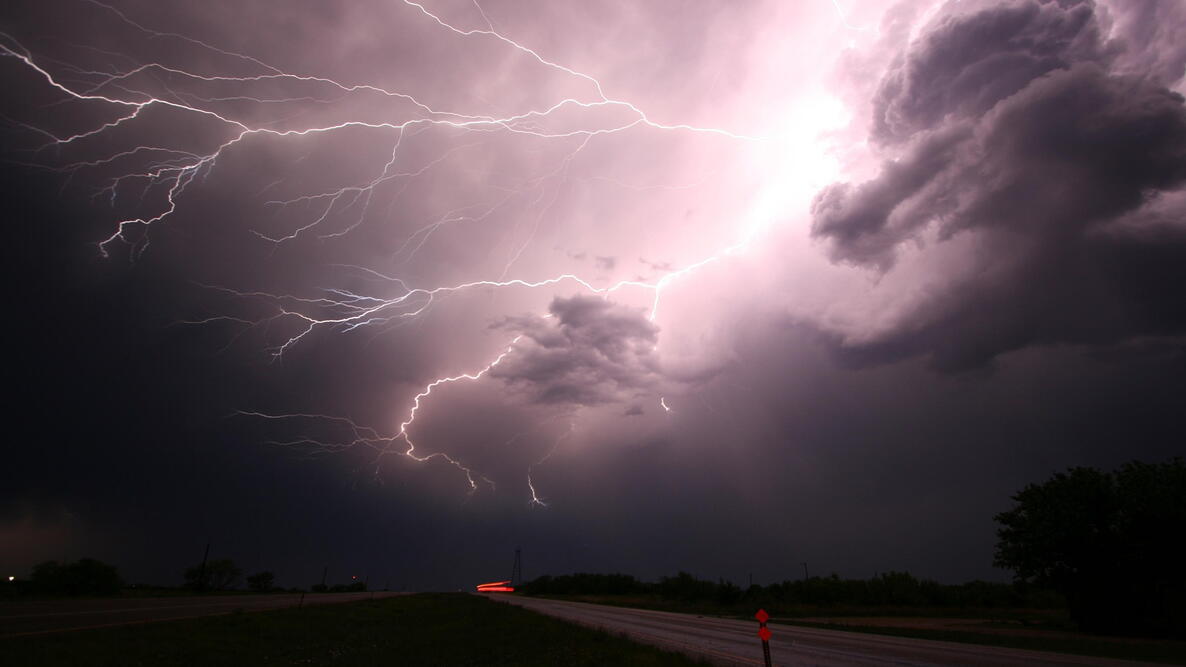

Summer storms often bring lightning, heavy rain, and strong winds that can cause unexpected power outages. Knowing how to prepare for power outages before severe weather arrives can help keep your family safe and comfortable.
Why Summer Storms Cause More Power Outages
There’s a reason why July’s Full Moon is sometimes called the “Thunder Moon.” In summer, thunderstorms are frequent!
As the summer Sun heats up Earth’s surface, warm and moist surface air begins to rise to clash with cold air in the upper atmosphere. A wind or front mixes warm and cold air, causing instability. With the right ingredients, some storms become severe.
In the past year, the weather has been more extreme than usual, with swings in low and high temperatures and record flooding. In fact, we have had what you might call a record number of weather records!
Intense summer storms are creating a weather battleground across most of North America.
6 Power Outage Preparation Tips
Have you had power outages? Here are six quick tips to prepare for summer storms:
1. Know Your Electrical Panel
Do you know where your electrical panel is? Do you know how to reset circuit breakers after an outage? If the power goes out, also turn off any major appliances (TVs, microwaves) to avoid overloading the power system when it returns. Consider adding surge protectors. Leave one light switch on.
2. Build an Emergency Supply Kit
Everyone should have a disaster kit to be prepared for the worst storms. Include a flashlight, fresh batteries, cash, water, and canned food. Make sure your first aid kit and all your medications are current. You should also have a list of emergency phone numbers. See our suggestions on what to keep in an emergency supply kit.
3. Keep Phones and Devices Charged
Keep your cell phones and battery-operated devices charged up if a storm is forecasted. Have alternative charging methods for phones ready if the power goes out. Sign up for FEMA text messages (text PREPARE to 4FEMA).
4. Protect Food During a Blackout
Keep refrigerator and freezer doors closed as much as possible during a blackout. A refrigerator typically keeps food cold for about 4 hours if unopened, while a full freezer can maintain a safe temperature for up to 48 hours.
5. Invest in a Backup Generator
Have a backup home generator. A standby generator automatically turns on during a blackout to keep the lights on, food and medicine from spoiling, the heat or A/C running, and medical devices operating.
6. Stay Safe Around Downed Power Lines
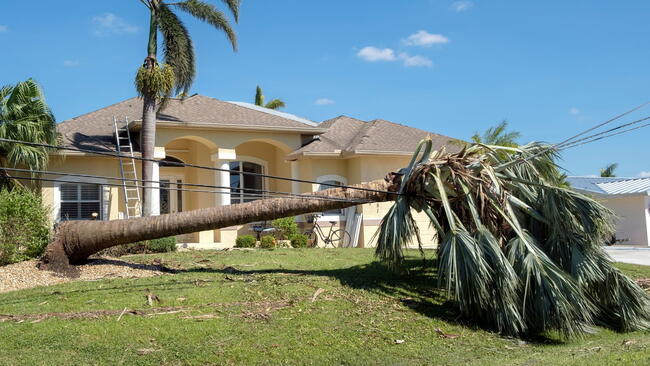
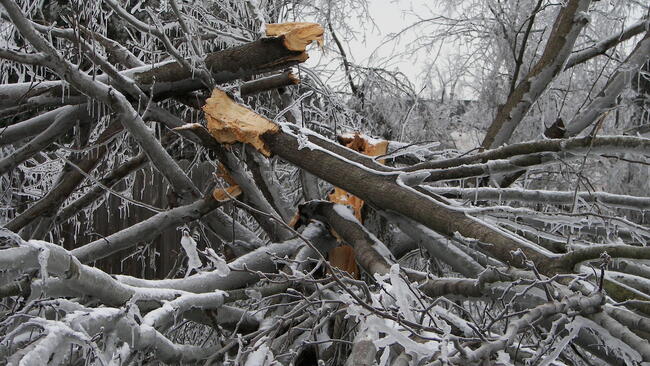
Avoid going outside during a power outage. You often risk falling trees and dangerous downed power lines that may have live electricity running through them. All it takes is a tree branch on a power line to knock out utility services. Again, having a backup generator on hand is a good idea for riding out the storm.
Summer storms can arrive with little warning, but a little preparation goes a long way. By creating an emergency plan, assembling essential supplies, and investing in a reliable backup generator, you’ll be better prepared to stay safe and comfortable during the next power outage.

More Like This


Comments