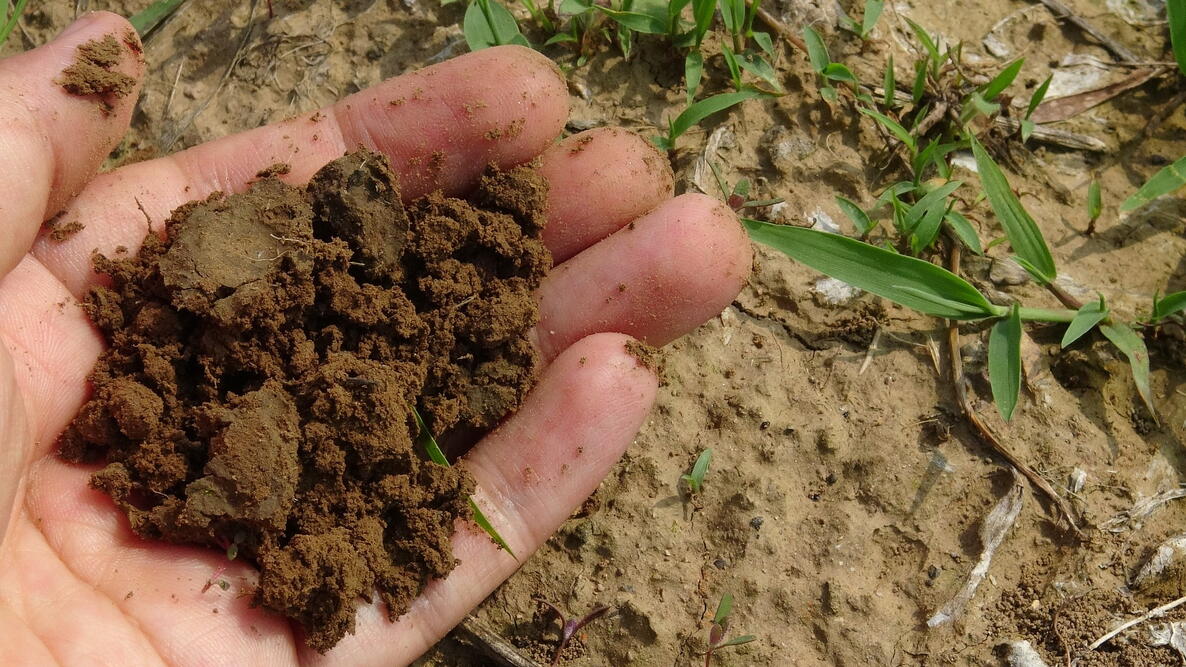

Test your garden soil this fall for a healthier, more productive garden next year. After the harvest is an ideal time to check your soil’s pH and nutrient levels, giving slow-acting amendments such as lime time to work before spring planting.
Healthy soil is the secret to a thriving garden—but don’t add lime, fertilizer, or other amendments until you know what your soil actually needs. A professional soil test can help you make targeted improvements while avoiding excessive nutrients that may harm plants and pollute waterways.
Where to Get a Soil Test
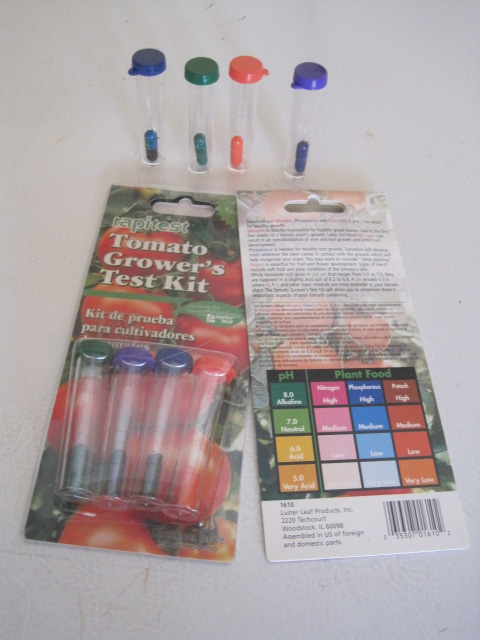
Home test kits are available, but they are not as accurate or thorough as professional testing. Contact your county extension office for soil testing information and instructions. Most have websites; fees for soil testing, along with the proper forms, can be found there. Here’s a list of cooperative extension services by state.
How To Take a Soil Test
- To take a representative sample, scrape away any surface litter, plant residues, leaves, etc.
- Avoid sampling in a spot where ashes have been dumped, manure or compost stored, or brush burned.
- Cut straight into the soil with a shovel or trowel 6 to 8 inches deep, making a V-shaped hole.
- Cut a 1-inch-wide slice of soil the length of the hole from one side. Take a 1-inch strip from the center of this slice to use in your sample.
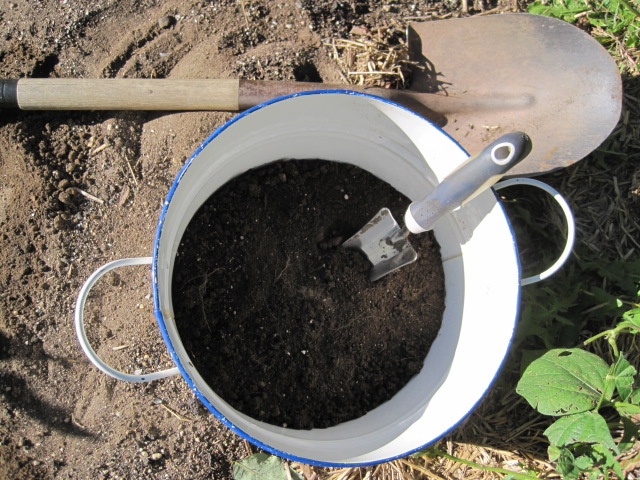
- Repeat sampling randomly around the garden and mix the samples together in a clean glass jar or bucket. Since we use raised beds we take a slice from each bed and mix them all together.
- Measure out a cupful of soil, dry it indoors for a few days, and seal in a plastic bag with your information on it.
- Send it in with the proper forms and fees.
Decoding the Soil Test Results
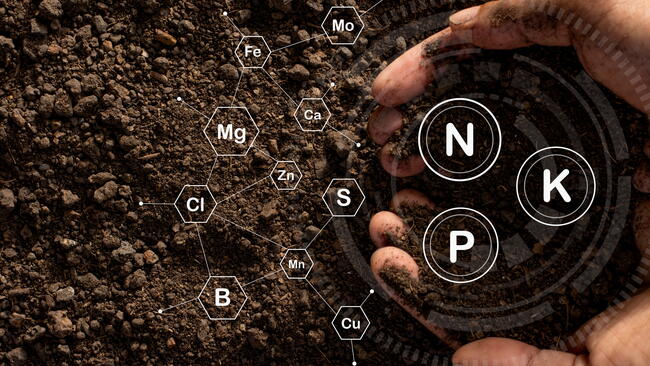
When you get your test results the fertilizer recommendations will be quite specific, and speak to three elements: nitrogen, phosphorus, and potassium.
Nitrogen
N stands for nitrogen, which helps plants make leafy growth. For nitrogen, they will tell you how much manure to use.
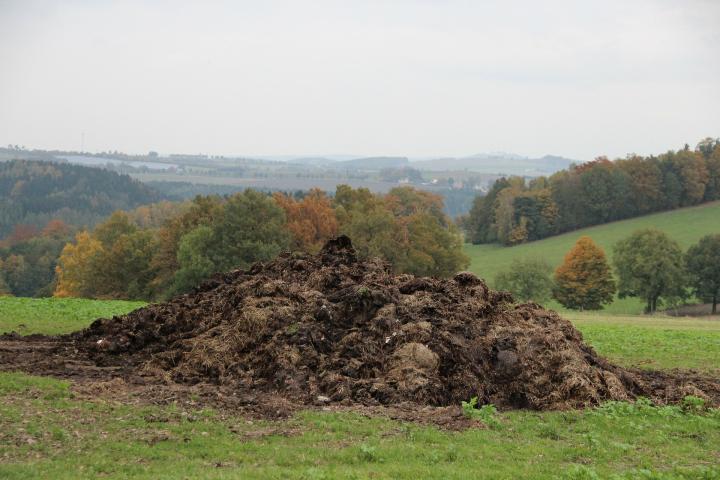
If you are using fresh manure, spread it in the fall so it can break down over the winter and be safe for spring planting. If you prefer, dried blood, alfalfa, soybean, or cottonseed meals can be substituted. Nitrogen is released quickly from them, so it is best to wait until spring to add it to your soil. Ten pounds of blood meal supplies the same amount of nitrogen as 10-20 bushels of manure, but without the added benefit of all the organic matter that manure contains.
Phosphorus
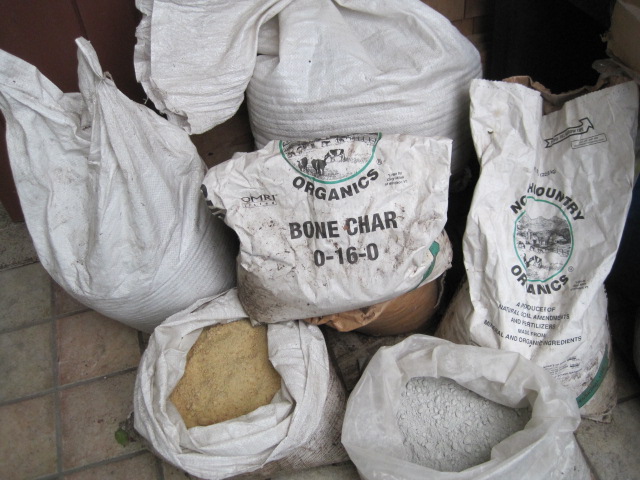
P stands for phosphorus which is necessary for germination, strong root growth, flowers, and fruit. It helps plants absorb minerals, grow strong stems, and withstand disease. Rock phosphate provides phosphorus, magnesium, and trace minerals. Rock powders are wonderful soil enhancements. They are slow acting but long lasting so they need to be applied only every 3–4 years. Bone meal and bone char are more readily available sources of phosphorus.
Potassium
K stands for potassium or potash. It regulates the flow of water in plant cells and is necessary for flowering, fruiting, and disease resistance. A lack of potassium will cause plants to have weak stems and stunted growth. For added potassium, you can use granite dust or greensand, which is made from glauconite, an ocean mineral high in potassium and iron. Wood ashes are also high in potash.
Most gardens have room for improvement. Take the time now for a better garden next year!
More Like This


Glacial till can be naturally high in some types of heavy metals, depending on its source. How do you feel about using other kinds of rock powders such as basalt or granite dust? They are good at re-mineralizing soil. The best thing you can do is to be aware of your sources. I always get my soil amendments from a trusted organic company. Check out the blog post on soil amendments for more information.
Lime will kill the mold by changing the pH of the soil. Too much lime can cause that area to have too high a pH level though and render it unable to grow anything so be cautious when using it to kill mold. As for drying gourds, leave them on the vine until the plants are dead. Let the gourds stay outside in a sunny, well ventilated spot, turn them every few weeks and check for rot. It is okay for them to freeze. It can take months for large gourds to dry.
The amount of weed seeds in manure varies greatly depending on the animal it comes from and their diet. It is amazing what can pass thru their digestive tract unscathed. It takes really hot composting to render the seeds incapable of germinating. Nitrogen can come from other sources but manure is most beneficial for its high organic matter. Compost can provide organic matter but it also can harbor weed seeds.

Comments