
Ah-choo! Spring allergies hit hard when the trees and plants release their pollen. Find out if your symptoms are from seasonal allergies and discover a few natural home remedies to find relief—fast!
When Is Allergy Season?
In this article, we’re discussing seasonal allergies that occur during the spring, when trees, grasses, and weeds pollinate. (See a separate article focused on fall allergies.)
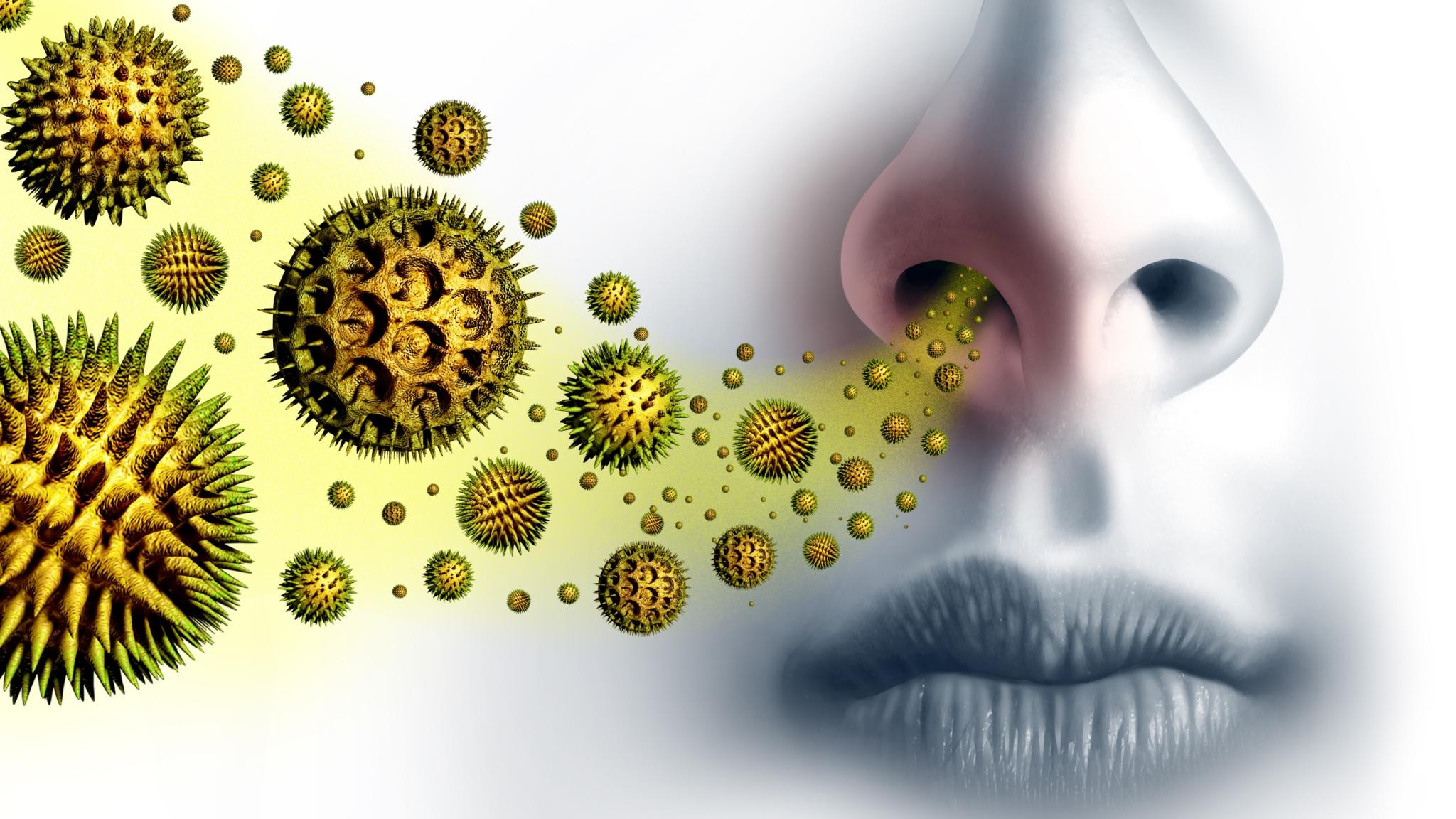
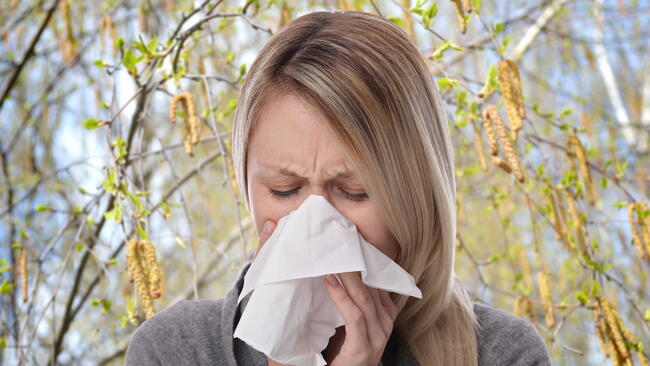
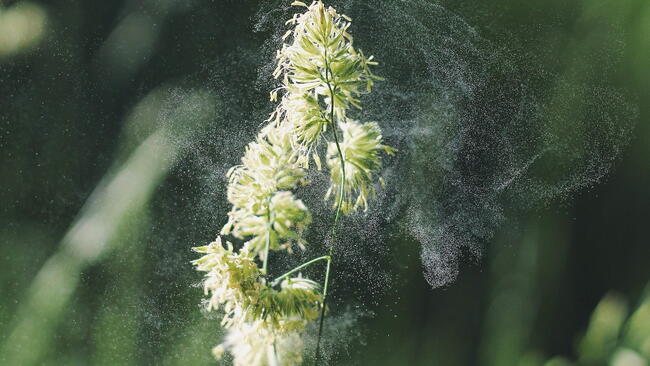
In springtime, trees, grasses, and weeds release tiny grains into the air to fertilize other plants. When these grains get into the nose of someone who’s allergic, their body sees the pollen as a danger and triggers histamines that lead to runny nose, watery eyes, sneezing, itchy nose and eyes, and puffy eyes.
Also, a rainy spring can cause rapid plant growth and lead to an increase in mold, which means your seasonal allergies could last well through summer.
When do spring allergies start and end?
Most trees pollinate in March and April, though they may start as early as February and last through May. It all depends on the trees in your area as well as which pollen triggers your seasonal allergies.
Common Spring Allergy Symptoms
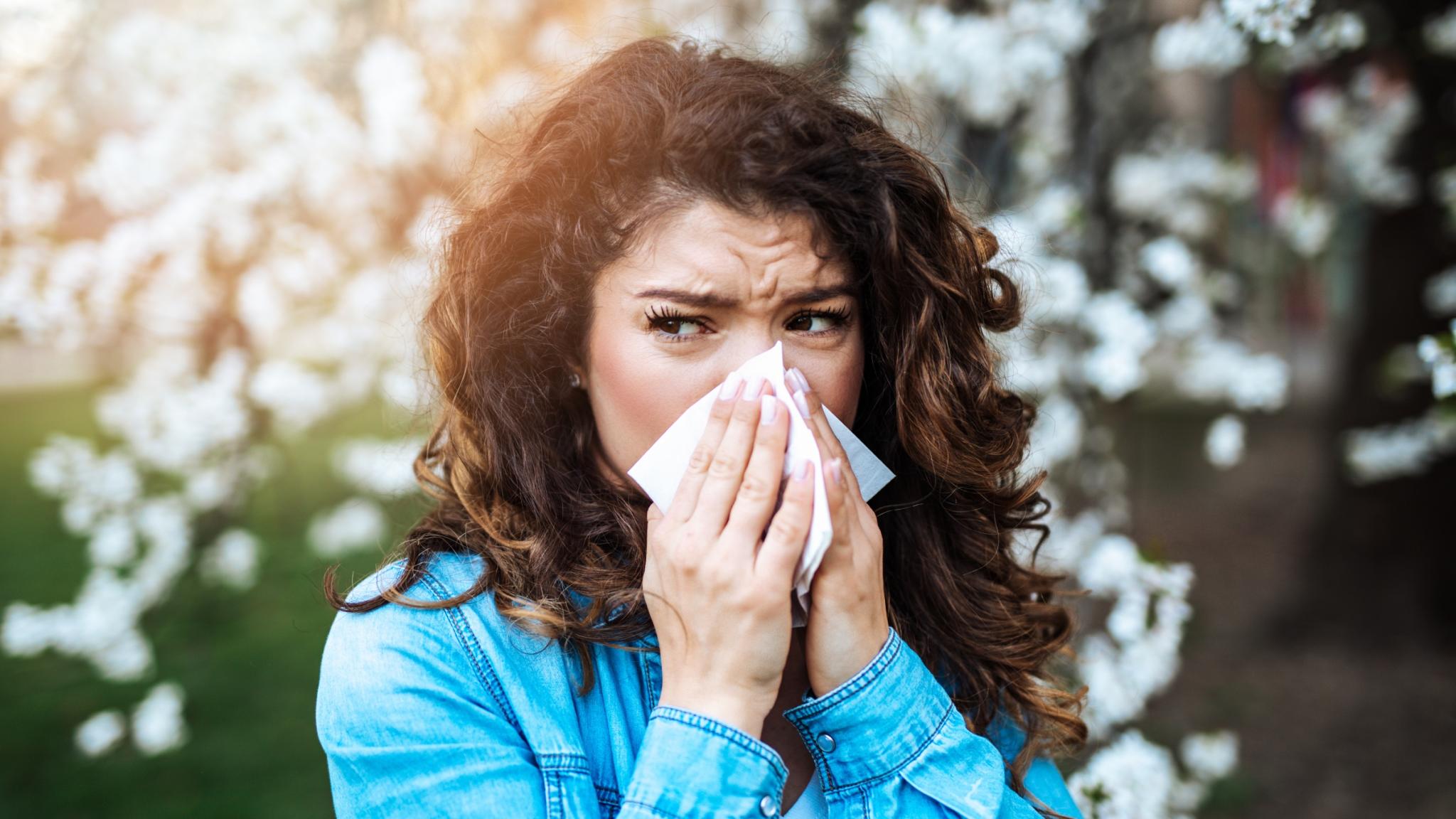
Those affected by seasonal allergies sneeze, cough, snort, and blow their noses all day and can’t breathe all night. Their eyes may itch and swell shut, their faces get puffy, and their jaws and teeth ache. They get hit around and just behind the eyes with blinding headaches. Sometimes, they can’t smell or taste much.
And that’s just the seasonal allergies. Other folks suffer from year-round post-nasal drip, frequent colds, or recurrent full-blown sinus infections that just won’t quit.
Trees That Trigger Seasonal Allergies
- Alder
- Ash
- Aspen
- Beech
- Box elder
- Cedar
- Cottonwood
- Cypress
- Elm
- Hickory
- Juniper
- Maple
- Mulberry
- Oak
- Olive
- Palm
- Pine
- Poplar
- Sycamore
- Willow
How to Prevent Seasonal Allergy Flare-Ups
There are obvious ways to minimize your exposure to seasonal allergies.
- Start paying attention to daily pollen and mold levels. Use the American Academy of Allergy Asthma & Immunology’s allergen tracker and they’ll send you updates.
- Stay inside during high-pollen days, especially windy days and afternoons. Go out early in the morning for your walks or exercise before pollen levels rise.
- Shut your windows and doors during allergy season. Keep car doors and windows closed as well!
- When you come home during allergy season, jump into the shower first thing. You’ll wash off any pollen. Always change your clothes, too, and throw the ones you wore that day in the washer.
- If your eyes are itchy and watery, place a cold, wet washcloth over your closed eyes; then gently rinse your eyes with cold water.
- Wear a hat and wraparound sunglasses. Breathe through your nose, not your mouth. A Covid-style face mask works well, too!
Natural Remedies for Spring Allergies
There are many at-home, drug-free, self-care practices that can help relieve regular seasonal allergies and suffering sinuses.
- Especially when you have a cold, stay well-hydrated (lots of water and warm tea). Set your alarm and get up to drink every hour! Seriously, set the alarm on your phone!
- Don’t put away that winter humidifier. Humidify the air in your home, and if you’re really stuffy, try a good, old-fashioned steam (hold a big towel over your head to catch the steam from a pot of simmering water). You might also try a personal steam inhaler, available at pharmacies.
- Irrigate your sinuses and nasal passages with a warm saline solution to clear dust, pollen, and excess mucus. If you choose to try the ancient sinus-irrigating technique of the neti pot, please read and follow the FDA instructions to the letter. It’s especially important to use only boiled or sterile water in your pot.
- Before sleep, slap on a Breathe Right or other brand of nasal strips. These band-aid-like devices gently pull open the nasal passages and keep them open through the night.
- If allergies are causing your sinus congestion, try allergy-proofing your home. (Serious work!)
60-Second Exercises for Allergy Relief
Readers have also shared these 60-second solutions for relief. Hey, why not? Try them and see if it works for you!
- Tongue Trick: Press the tip of your tongue to the top of your mouth. Release your tongue, then press the spot between your eyebrows on your forehead. Repeat both steps, pressing your tongue and tapping your head for about 20 seconds. This should help relieve some decongestion.
- Hold Your Breath: Tip your head back, pinch your nose, and hold your breath as long as you can. Take a breath when you need to do so. This tricks your body into thinking it needs more air and releases your sinuses.

Herbal Remedies for Allergies and Sinus Congestion
Many people find relief from seasonal allergic rhinitis or chronic sinus inflammation with herbs (including me). First, the caveats: Chat with your doctor about trying an herbal remedy. Remember, if an herbal product is effective, it works as a drug. You may experience an allergic reaction or side effects, and the herb may interact with other drugs or herbs you’re already taking. Tell your doctor about all herbs or supplements you take. Unless you’re under the supervision of a medical professional, don’t take any herbal products if you’re pregnant or nursing or if you have a chronic illness such as diabetes or asthma.
Indigenous peoples have used, and modern herbalists still use, many native herbs to treat both short-term and long-term congestion. Among the best-known and most widely used: stinging nettle and butterbur. Small clinical studies have shown positive effects for both these herbs.
- Stinging nettle has been used for centuries as a remedy for allergic rhinitis (and many other ailments). Modern freeze-drying apparently concentrates the compounds that soothe inflamed nasal passages and sinuses.
- Some research has shown that butterbur eases allergic rhinosinusitis (and also migraines), though the unprocessed herb contains potentially toxic compounds called pyrrolizidine alkaloids (PAs). If you want to try butterbur, use only a certified PA-free product.
Sinusitis vs. Allergies: How to Tell the Difference
If you have allergies, your sinuses may swell because they’re trying to flush out pollen and allergens. (Your sinuses are air-filled spaces in the forehead, behind and around the eyes, behind the nose, and under the cheekbones.)
Typical allergy symptoms are itchy eyes, a runny nose, and sneezing. But if you start to notice a cough, sore throat, pain around your face or teeth, and a post-nasal drip (mucus that moves from the back of your nose into your throat) that won’t go away, you may have developed a sinus infection called “sinusitis.” As it’s difficult to tell allergy from sinusitis symptoms, it’s important to see a doctor.
You may hear your doctor talk about two kinds of sinusitis: acute and chronic. There’s a simple way to tell them apart. If your symptoms last less than 4 weeks, it’s acute. If they go on for 3 months or longer, you have chronic sinusitis.
Don’t be quick to beg your doctor for an antibiotic to treat your sinus inflammation. Infectious disease experts say only a small percentage of cases result from a bacterial infection that may respond to antibiotics. Most rhinosinusitis results from a cold virus, and antibiotics don’t treat viral infections. Using antibiotics when you don’t need them helps promote antibiotic resistance, a serious global threat, which means that antibiotics may no longer work to treat serious bacterial illnesses.
Depending on your symptoms, physicians have an array of drugs to help manage your sinus problems. You’ll also find a dozen or more decongestants and antihistamines on pharmacy shelves that work in various ways to alleviate clogged sinuses. People with chronic illnesses, or who take other prescription medications, should check with their doctor before using over-the-counter sinus relief products. Long-term or too-frequent use of some OTC products can worsen your symptoms or interact with other medications.
See which plants and what type of weather causes more allergy problems.




Comments