
How to Winterize and Protect Your Garden

Winter is coming! How do you put your garden to bed for winter and prepare your garden for the dropping temperatures? See 10 tips for winterizing your garden beds—from covering garden soil to protecting trees and shrubs. Let’s talk winter care for vegetables, herbs, berry patches, perennials, roses, trees, and shrubs!
1. Harvesting and Storing Vegetables
A. Tender vegetables do not tolerate frost and should be harvested before frost strikes. This includes tomatoes, zucchini, peas, beans, winter squash, and pumpkins. Pull out these plants and all crop debris. If plants are diseased, either burn them or discard them in the trash. Do not leave infected plants on the property, nor put them in a compost pile.
B. Hardy vegetables tolerate hard frosts (usually 25° to 28°F) and can be left in the ground. They often taste better after a light frost.
- Brussels sprouts can stay in the ground. Bury plants up to their tops in hay or leaves in late fall, then pull off the little sprouts as needed through winter.
- Greens like kale and collards become a bit sweeter in the fall and winter when touched by frost.
- Broccoli and spinach may also survive through the winter without any protection.
- Garlic is planted in October or November, and it is overwintered for next year’s summer crop.
C. Semi-hardy vegetables tolerate light frosts (usually 29° to 32°F). Many of these slightly more sensitive crops benefit significantly from protection, such as a cold frame or floating row cover, or you can harvest them before severe frosts have set in.
- Cabbages and Swiss chard can withstand light frosts, but outside leaves may get damaged or tough (peel them away before using the rest of the greens).
- Arugula, leeks, mustard greens, cauliflower, English peas, and kohlrabi can die when unprotected during periods of extreme winter cold. A simple row cover can make all the difference.
- Root crops (like carrots, turnips, beets, rutabagas, and parsnips) can remain in the garden after a frost and still be removed in good condition later, but get them dug and stored before the ground freezes.
- Potatoes can also stay in the soil but mustn’t be left on the soil surface for any period. Dig and remove the potatoes to a dry, warm area away from the sun to begin letting the skin toughen up for storage. Dry in a single layer and turn periodically. This takes about two weeks. Carefully remove visible dirt from the potatoes, but do not wash them—their skins will toughen for more extended winter storage.
Note: Ensure that harvested vegetables are cured and stored correctly. See our Growing Guides on storage crops (onions, carrots, potatoes, winter squash). Of course, many crops can also be stored by canning and pickling. Finally, herbs can be dried or frozen in various ways.
→ See our Home Preservation Guides.

2. Prepare Herbs for Winter
Herbs are a mixed bag when it comes to needing winter protection. Some are very hardy and can easily tolerate a cold season, while others will need some extra help:
- Sage is a perennial in most areas and does not need special treatment for the winter. Before frost stops its growth, cut a branch or two to dry and use in stuffing at Thanksgiving! (Try our delicious stuffed turkey recipe with sage.)
- Rosemary is a tender evergreen perennial that should be protected outside (Zones 6 and 7) or potted up and brought inside (Zone 5 and colder) for the winter. Read more about overwintering rosemary.
- Thyme is fairly indestructible. A perennial, it will go dormant in the fall, then revive by itself in the spring.
- Parsley, a biennial, will withstand a light frost. In Zone 5 or colder, cover it on cold nights. It has a long taproot and does not transplant well, so you’re better off starting a new plant come spring.
- Chives are hardy perennials. Dig up a clump and pot it, then let the foliage die down and freeze for several weeks. Bring the pot indoors to a sunny, cool spot. Water well and harvest chives throughout the winter.
- Basil is a tender annual that won’t survive winter outside in most regions of North America. Dig up small plants and bring them inside to extend their season.
- Oregano is a somewhat hardy perennial but will appreciate some winter protection in the form of a layer of straw mulch.
3. Cover Up the Garden Beds
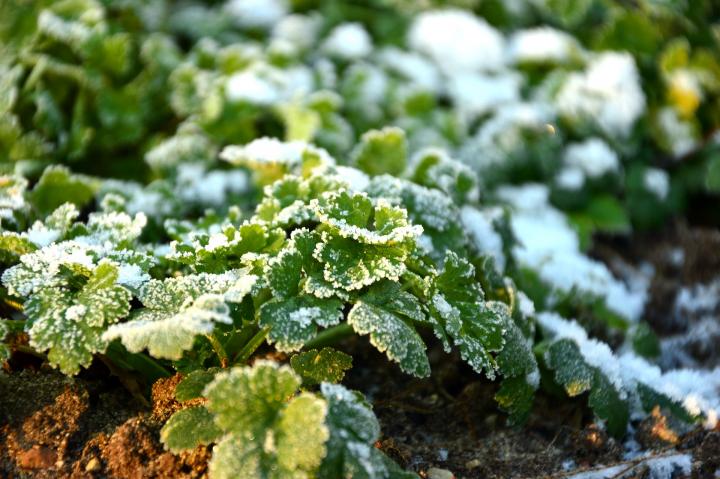
Although many of us add it in the spring, you want to add compost in late autumn to let the soil soak up those nutrients over the winter. Add a couple of inches of compost or manure on top of your beds before the ground freezes. Then, add a light layer of straw or mulch to prevent soil erosion, nutrient leaching, and weed development. Please read our article on preparing soil for planting to determine what constitutes healthy soil.
Another option is to sow cover crops, such as winter rye, to improve your soil. See our article on Cover Crops to learn more about improving the health of your soil.
For vegetable gardens, another option is to simply cover your garden beds with black plastic or a layer of cardboard or even an old carpet, leaving it in place through the winter season and up until you’re ready to plant in spring. This will kill existing weeds and subdue sprouting seeds.
4. Prepare Berry Patches for Winter
Berries tend to be hardy but may require some fall pruning and care:
- In early to mid-fall:
- Prune summer-bearing raspberries, leaving six of the most vigorous brown canes for every 1 foot of your patch.
- Prune fall-bearing raspberries ruthlessly, cutting them to the ground after they have borne fruit. New canes will come up in the spring and bear fruit.
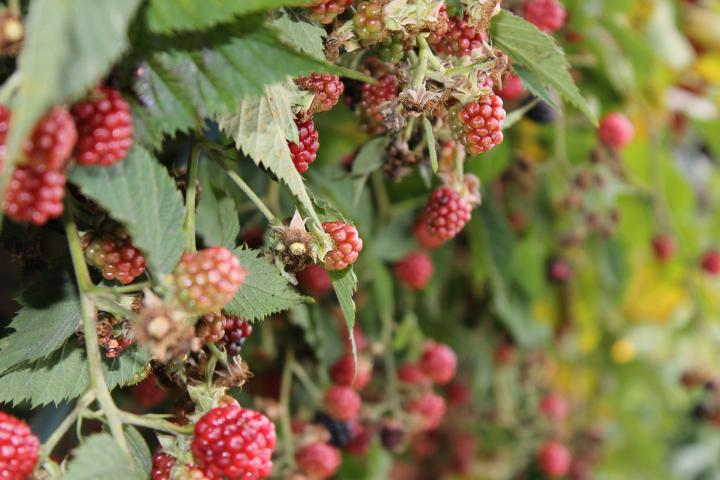
- Plant blackberries in the fall and mound the soil around the canes to prevent hard frosts from heaving them out of the ground.
- Many blueberry varieties are hardy, but they will appreciate a thin layer of mulch around their base for added protection.
- Cover strawberry beds with a layer of straw mulch.
5. Prepare Perennials for Winter
- Water your perennial flowers and flowering shrubs in the fall; they will thank you for it this winter.
- Many perennials can be left to be cut back in the spring, especially those with bountiful seedheads such as coneflowers or rudbeckia, as the birds will enjoy their seeds through winter. However, there are some perennials that are best cut back to avoid spreading diseases—such as powdery mildew—especially bee balm, phlox, and hostas. See which perennials to cut back. When cutting back, wait until the ground has frozen hard and the foliage has died. Leave about 3 inches of stem and mulch them with a thick layer of leaves or straw.
- If you plan to put in a new flower bed next spring, cover that area now with mulch or heavy plastic to discourage emergent weed growth when the ground warms up in the spring. If the new bed is going where a lawn is now, mow the grass in that area down as much as possible before covering it.
- Before a heavy snowfall, cover pachysandra with a mulch of pine needles several inches deep.
- Move potted chrysanthemums to a sheltered spot when their flowers fade. Water well and cover with a thick layer of straw to overwinter them.
- When a frost blackens the dahlias, gladioli, and cannas leaves, carefully dig them up and let them dry indoors on newspaper for a few days. Then pack them in styrofoam peanuts, dry peat moss, or shredded newspaper and store in a dark, humid spot at 40° to 50°F (5° to 10°C) until spring.

6. Winterize Roses
- You may water roses regularly through the fall; refrain from fertilizing starting six weeks before the usual date of your first fall frost.
- Remove any dead or diseased canes.
- After the first frost, mulch plants with compost or leaves to just above the swollen point where the stem joins the rootstock.
- In areas where winter temperatures are severe, enclose low-growing roses with a sturdy cylinder of chicken wire or mesh and fill the enclosure with chopped leaves, compost, mulch, dry wood chips, or pine needles.
- Before daily temperatures drop well below freezing, carefully pull down the long canes of climbing and tea roses, lay them flat on the ground, and cover them with pine branches or mulch.
7. Prepare Trees and Shrubs for Winter
- Do not prune trees and shrubs right before winter. Even if they look a little overgrown, wait until next spring. Pruning involves removing tissue and opening wounds without time to heal before the cold arrives. Pruning also stimulates a tree or shrub to attempt to grow, but any new growth produced in the fall will likely be killed because it has not had time to harden off or become woodier.
- If you get early snowfalls in your area, cover small trees and deciduous shrubs with a wooden structure to protect them from heavy snow. Or, circle them with a cylinder of chicken wire fencing and fill in the space between the tree and the fence with straw or shredded leaves. Or, drive stakes into the ground at four corners around the plant and wrap burlap or heavy plastic around the stakes, securing it at the top, center, and bottom with twine.
- For young fruit trees, it’s often a good idea to wrap the tree’s lower trunk with a pest-proof tree wrap, which will prevent mice and voles from gnawing on the tree’s bark during the winter.
- Tree wrap will also help to prevent winter injury caused by premature thawing. In late winter, the combination of warm, sunny days and still-freezing nights can cause the thin bark of young trees to split. This is especially prevalent in trees with a southern or southwestern exposure. Wrapping their trunks with tree wrap or shading them from the winter sun can prevent bark injury.
- If you plan to buy a live Christmas tree this season, dig the hole where you’ll plant it before the ground freezes. Store the soil you remove in the garage or basement, where it won’t freeze. Place a board over the hole and mark the location so that you can find it if it snows.

8. Turn Off the Watering System
If you haven’t already turned off your water, do it! You don’t want the hose or irrigation connected when it frosts, or you may have damage. In warmer climates, it may be possible to simply disconnect the system from a hose spigot and allow the water to drain out. Still, in colder climates, you will want to either blast all the water out with an air compressor or bring everything inside for the winter.
9. Help Your Garden Helpers!
Be proactive! Keep bird feeders topped up. Birds especially appreciate fatty, high-energy foods (such as suet) during cold months. Establish a feeding routine, offer water, and regularly clean feeders and bird baths to maintain good hygiene. See the best type of bird feeder.
Consider your garden “helpers” while you go through your fall garden checklist!
10. Do Your General Garden Maintenance
- Empty your outdoor containers to keep them from cracking during the winter. Store them upside down.
- Hang a bucket over a hook in your toolshed or garage to store hose nozzles and sprinkler attachments.
- Mow your lawn as late into the fall as the grass grows. Grass left too long when deep snow arrives can develop brown patches in the spring.
- Don’t leave fallen leaves in sodden layers on the lawn. Rake onto a large sheet or tarp, then drag to a corner of your yard to give pollinators some winter cover. Or, rake the leaves into loose piles and run the mower over them to turn them into mulch for perennial and bulb beds. Or, add those shredded leaves to your compost bin. Get more tips on what to do with fall leaves.
- Cover your compost pile with plastic or a thick layer of straw before snow falls.
- Drain the fuel tank on your lawn mower or any other power equipment. Consult the owner’s manual for other winter maintenance.
- Scrub down and put away your tools. Some folks oil their tools with vegetable oil to avoid rust. Find out how to care for your gardening tools.
- Check out our fall garden chores list to ensure you have everything done before winter hits!
Now, watch our video on helpful advice on preparing your garden for winter.
We hope these tips will help your garden survive winter and thrive in spring! Please share your own advice or ask any questions below!
Free Online Gardening Guides
We’ve gathered our best beginner gardening guides into a step-by-step series designed to help you learn how to garden! Visit our complete Gardening for Everyone hub, where you’ll find a free series of guides! From selecting the right gardening spot to choosing the best vegetables to grow, our Almanac gardening experts are excited to teach gardening to everyone—whether it’s your 1st or 40th garden.



Getting Started
Planning For a Garden
Planting a Garden
Plant Growing and Care
Harvesting and Storing Vegetables
More Like This



Hello, Amber, Your garden must be delightful in bloom. Welcome back to it!
You should be able to gain a wealth of info on these pages.
For starters: Perhaps you did not notice above: See the six photos of flowers and gardens? By clicking on the appropriate two—Dahlia and Canna—you can get more information on them. And these pages may lead you to more.
As for your other queries, we suggest that you key the plant name into the "search" box at the top of every page. You will often get several article pages to link on.This one comes up in a search for "bearded iris," for example: http://www.almanac.com/plant/irises. However, more options come up in a search for "iris." As yoyou search and peruse, be sure to take a few minutes to scan the reader questions and answers at the bottom of most plant pages. You will find more information, and often more about "unique" situations that may be similar to your own.
We hope this helps and wish you a wonderful season!
Hi Amber, If you look under the GARDENING tab on our Web site, you'll see the "Growing Guides." We have free guides for most of the plants that you mention. I hope this is helpful.
Dick Clark is a grandiflora rose. It is not hardy and requires winter protection in the north and much of the midwest. Prune back canes to about 30 inches, just enough to prevent breakage in strong winds. Mound soil around the bottom canes of your rose making the mound about 1 foot high. You can use mulch instead of soil but make the mound higher (about 1 1/2 feet). Instead of a bag we suggest that you surround the rose with a cylinder of chicken wire and then fill the space inside the cylinder with leaves or straw. Read more about rose care at almanac.com/plant/roses.

The Almanac has a page all about wolly worms and weather here: www.almanac.com/content/predicting-winter-weather-woolly-bear-caterpillars
- « Previous
- 1
- 2
- …
- 10
- Next »

Comments