
Caption
Mint is an easy herb to grow in your garden and can add flavor to every meal.
Planting, Growing, and Harvesting Mint

Read Next
Growing
- Minimal care is needed for mint. For outdoor plants, use a light mulch. This will help keep the soil moist and keep the leaves clean.
- Indoor plants should be watered regularly to keep the soil evenly moist.
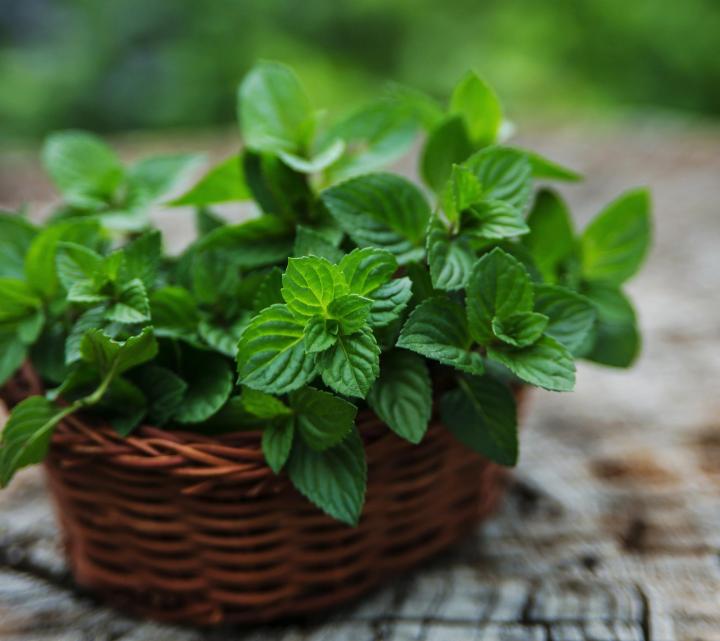
- At first, mints develop into well-behaved-looking, bushy, upright clumps, but they soon set out to conquer new territory with horizontal runners and underground rhizomes. Unless you block the advance, a peppermint plant can become a sprawling 4-foot giant in just 1 year. It’s not the stuff of horror movies, however. Mints benefit from picking and pruning. They are shallow-rooted and easy to pull out, so there’s no reason to worry as long as you provide physical barriers such as walls, walkways, or containers.
Types
- Apple/Pineapple Mint: Mentha suaveolens
- Corsican Mint: Mentha requienii
- Pennyroyal: Mentha pulegium
- Peppermint: Mentha x piperita
- Citrus Mint: Mentha x piperita var. citrata
- Spearmint: Mentha spicata
Harvesting
- Frequent harvesting is the key to keeping mint plants at their best. Young leaves have more flavor than old ones, and mint can be harvested as soon as it comes up in spring. Although fresh is best, and sprigs should be kept in water for a few days, mint leaves can be frozen or air-dried in bunches.
- Right before flowering, cut the stems 1 inch from the ground. You can harvest one mint plant two or three times in one growing season.
- You can also pick the leaves as you need them.
- You can grow the plants indoors for fresh leaves throughout the winter. If you want to dry them, it’s best to cut the leaves right before flowering. Store the dried leaves in an airtight container.
Propagating Mint
The best way to propagate mints is by taking cuttings from those that you like best. It’s easy—take 6-inch cuttings of rooted stems and plant them horizontally in the soil. Mint stems will also root in a glass of water. Start with a small cutting from an established plant. Any gardening friend will give you a cutting of a favorite mint.
Gardening Products
Pests/Diseases
- Powdery mildew
- Rust
- Leaf spot
- Anthracnose
- Stem canker
- Mice dislike the smell of peppermint. Spread it liberally where you suspect the critters. Mint is also considered a deer-resistant plant.

Cooking Notes
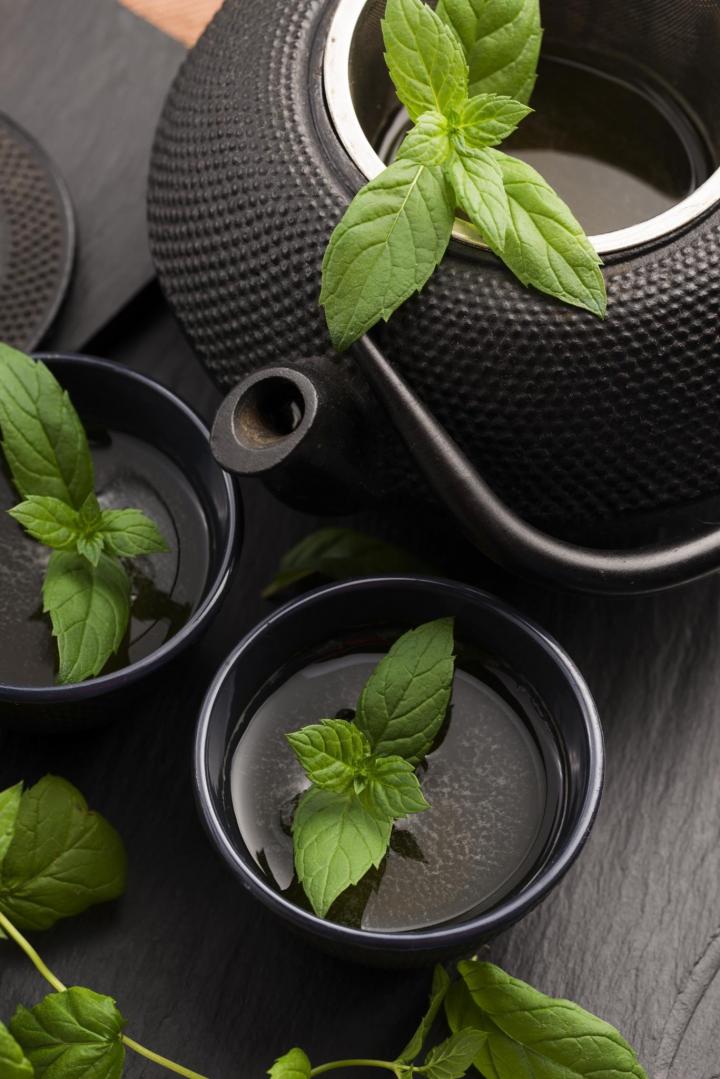
Serious cooks generally prefer spearmint for savory dishes and peppermint for desserts. Try apple or orange mint for a delicate mint taste in fruit salads, yogurt, or tea. Mint lurks in the background in Middle Eastern salads, such as tabouli, and does well with lamb. It also goes with peas, zucchini, fresh beans, marinades for summer vegetables, cold soups, fruit salads, and cheese.

Tip! Make flavored ice cubes by freezing trays of strong mint tea, then use the ice cubes for your drinks!

More Like This



Mint seedlings can be planted any time during the growing season, but it is best to do so in spring to help the plants to establish themselves before winter; in frost-free climates, you can plant in early fall.
As soon as the plants develop several large leaves, you can harvest lightly, taking a few leaves each time (but don't strip the plant of leaves, leave plenty behind), all the growing season. Best time to harvest for flavor is in the morning. The flavor changes when the plants flower, so keep pinching off any flower buds (unless you are planning a large harvest, in which case, see below). Also pinch the growing tips periodically to deter flowering and promote bushy growth.
As an alternative, you can do one or more larger harvests. In this case, wait a year or two for a newly planted plant to establish. Then just before the plant flowers (which is when the flavor is more intense), cut the plant about 6 inches from the base, leaving several leaves. The plant may grow back one or two times during the season for more harvesting.
We tend to plant mint in its own bed or container. In a bed, a good tip is to submerge a pot in the ground.
Herbs such as oregano and prostrate rosemary may be able to hold their own. Let us know what you discover!
- « Previous
- 1
- 2
- …
- 10
- Next »

Comments