
Ever hear of the “chicken dance” and “pecking order”? Chickens are unique animals, especially when it comes to behavioral patterns. The different sounds and nonverbal cues they exhibit can be baffling to chicken keepers. Learn why chickens do what they do—when it comes to dust bathing, mating, preening, scratching, brooding, and more!
Fortunately, centuries of chicken keeping have shown some behaviors that almost all chickens have in common. These behavior patterns may start at different points in a chicken’s life, and all chicken keepers are bound to see these behaviors play out in their flock.
7 Baffling Chicken Behaviors
1. Mating
Chickens have high standards when choosing a mate. If there are multiple roosters in a flock, the hen will prefer the most attractive rooster, but that is only one of many criteria. Besides charming good looks, a rooster must be good at finding food and appear healthy and strong. For a smaller flock of up to 12 hens, having only one rooster is normal.
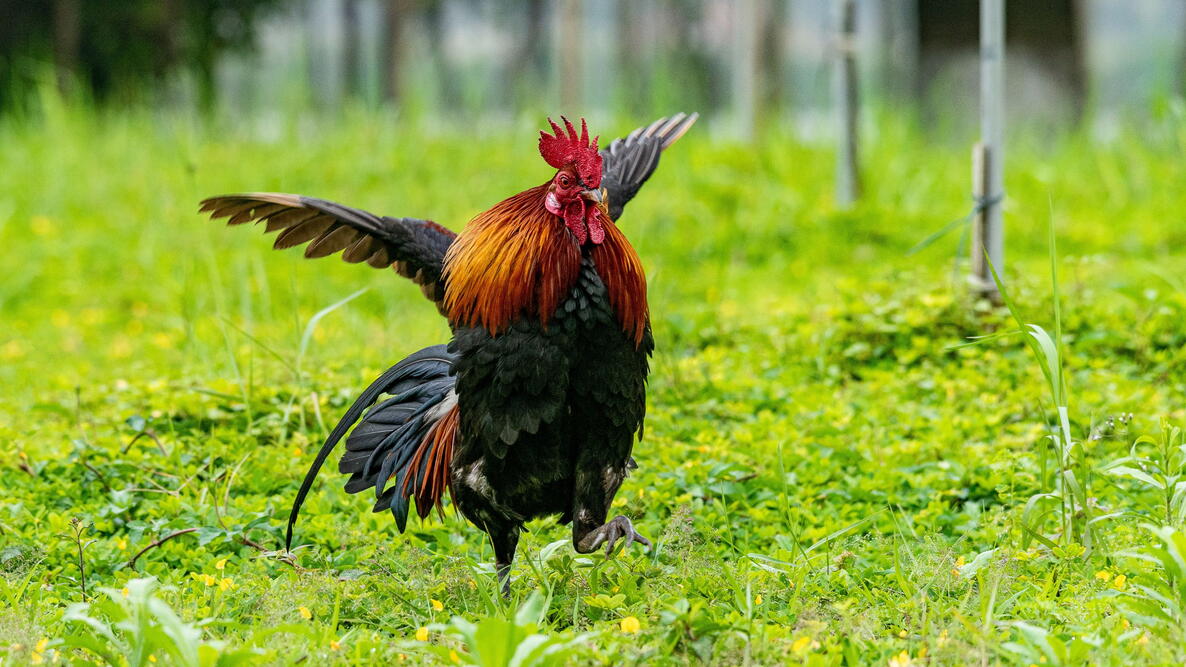
It is easy to tell when a rooster is engaging in mating behavior. The rooster will find some food and repeatedly pick it up and drop it, while calling to the nearby hens. (Think of this as taking her out to dinner.) Once he’s got their attention, he does the chicken dance! This dance involves dropping a wing, then circling around the hen until she either squats in submission or walks away.
So, don’t be alarmed. Your rooster isn’t attacking the chickens nor does he have leg mites or another problem. While mating behavior only happens in flocks with both sexes of chickens, it is a sight worth seeing.
Video: Picking up chicks—a mating dance for the ladies.
2. Preening
Preening is a chicken’s way of grooming herself. Proper grooming is essential not only for looking good, but also to help the feathers perform their proper function. Feathers are meant to insulate and provide waterproofing, which they can’t do if they are disheveled. When a chicken runs these feathers through her beak, she is preening.
Another purpose of preening is to reapply oils to the feathers. Chickens have an oil gland at the base of their tail, and they pinch this with their beaks before preening. So, if you’re concerned about why your hen keeps pecking at the base of their tail, it’s not because her feather is broken or some other problem; she’s collecting oil to spread over her feathers.
Often, chickens will preen each other in larger groups, instead of doing it all by themselves.
Video: Hens preening their feathers together. Looking good, ladies!
3. Dust Bathing
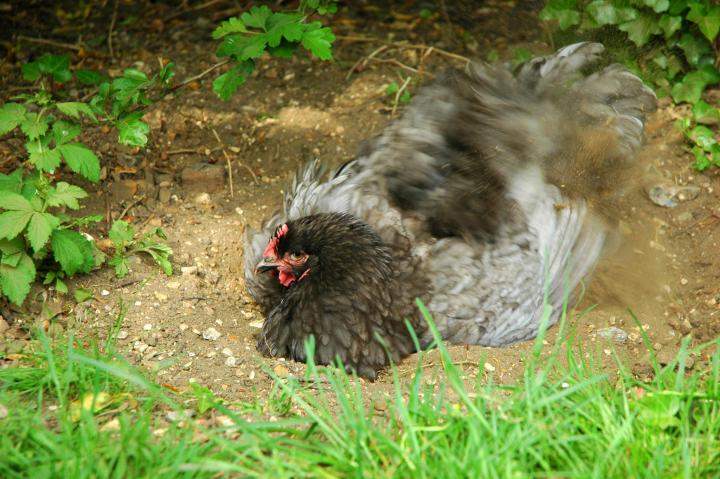
Chickens don’t bathe in water like humans do—they bathe in dust! It may seem like bathing in dust would make them dirtier, but the fine particles in the dust actually keep a chicken’s feathers clean, and can even help keep mites, lice, and other pests out of their feathers. When a chicken is ready for a dust bath, she will dig a small ditch, then roll around in it until her feathers are completely coated. Then, she will stand up, shake it all out, and preen herself.
The process of dust bathing is not only important for keeping the chickens clean and parasite-free, but it’s also a relaxing social activity—don’t be surprised if a whole group of chickens are dust bathing together!
4. Scratching
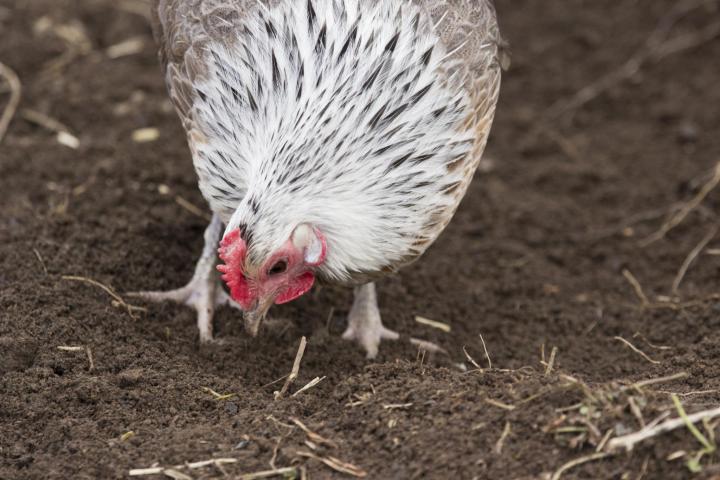
Scratching is an instinctual behavior that all chickens do, whether they’re day-old chicks or well-weathered hens. The behavior itself is pretty easy to identify: The chicken will start scratching at the ground. The meaning behind it, however, is a bit more complex.
Chickens may scratch at the ground for a number of reasons. The first is to create a dust bath, as discussed above. The second is for foraging. It is believed that the ancestors of modern-day chickens ate seeds and bugs that were below the surface, just a few scratches away; now, modern-day chickens continue to engage in this behavior. One final reason for scratching is to create a nest. They need a comfortable spot to settle down in, so they scratch the ground until it’s just right.
Credit: JZHunt/Getty.
5. Roaming
Many chicken breeds are naturally curious, which means they love to roam! Roaming can serve multiple purposes, besides stretching their legs and getting some fresh air. For instance, chickens enjoy foraging for food while they roam. When they’re foraging, they may either scratch or peck at the ground. Chickens may also roam when they’re trying to find a place to take a dust bath, or a place to make a nest. If this is the case, expect even more scratching! Last, chickens may roam to relieve stress. Even though chickens are social birds, constantly being in close quarters with other chickens can cause stress, aggressive behavior, and even illness. Roaming around helps the chickens stay carefree and content.
6. Pecking Orders
Pecking orders are hierarchical social systems in which chickens organize themselves into ranks. This ranking system doesn’t form until the chickens are pullets. Typically, older birds in the flock will enforce the established pecking order, and newer pullets who are introduced must learn their place in that order.
They will enforce the order with pecking, pushing, chest bumping, and stare downs. However, pecking orders are fluid; chickens can move up in the pecking order with time or direct challenges to authority.
These challenges are typically nonaggressive, although young pullets may need to be introduced into an established flock gradually to avoid anarchy and aggression. If there are roosters in the flock, they may have separate ranking systems from the hens.
7. Brooding Hens
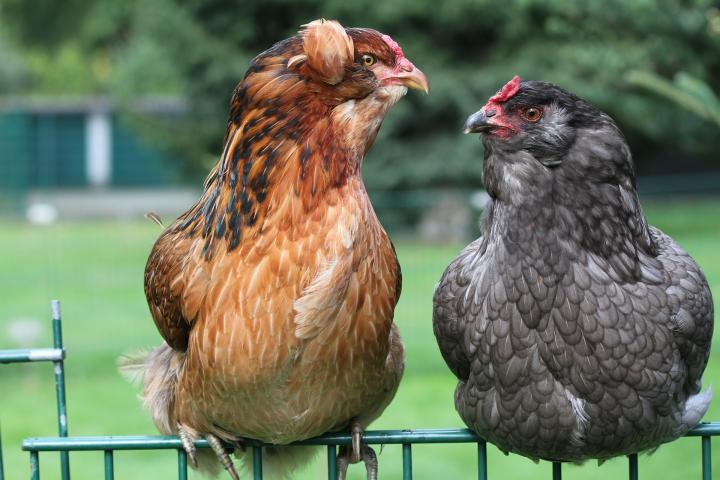
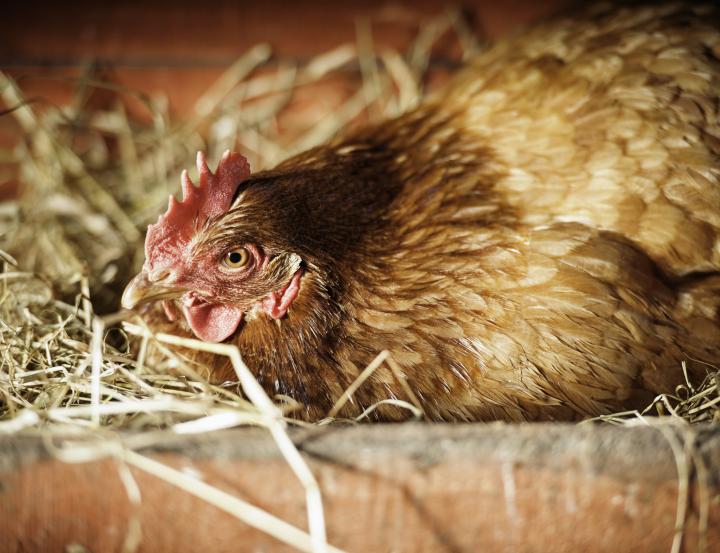
Brooding behavior in hens can be a blessing and a curse. When a hen becomes broody, she has decided she’s ready for motherhood and won’t budge until she has some baby chicks to raise. This usually occurs because of increased hormone levels in the spring, when the hens are getting more daylight. On the one hand, broody hens make excellent mothers to their chicks. On the other hand, hens can become broody even if the eggs are infertile, and they won’t allow anyone to take them.
Before a broody hen lays eggs, she will ensure the nest is perfect by plucking out her own feathers for bedding. Once she starts laying, she will continue laying more each day until she has around eight eggs, or she may steal them from other hens! Once she is done laying she will sit—sometimes for 20 whole days!
Broody hens fluff out their feathers to appear bigger and therefore more threatening. They may also hiss, growl, or peck. This is a behavior that won’t be mistaken for anything else! Plus, one broody hen may make others in the flock become broody.
Credit: George Clerk/Getty.
Common Behaviors and What They Mean
There are dozens of behaviors a chicken can engage in, and these seven are bound to happen when keeping a flock of chickens. It is completely normal if a chicken displays any of these behaviors, and it may even be quite beneficial!
| Behavior | Description | Why Chickens Do It | Tips for Owners |
|---|---|---|---|
| Mating | Rooster performs “chicken dance” around hen | Attracts a mate, shows health and strength | Observe, don’t intervene unless aggression occurs |
| Preening | Grooming feathers with beak, applying oil | Keeps feathers clean, waterproof, and insulated | Provide dust baths to support healthy preening |
| Dust Bathing | Rolling or digging in dirt/dust | Removes parasites, cleans feathers, relieves stress | Offer a dry area with loose soil or sand |
| Scratching | Digging at ground with claws | Foraging for food, nest preparation, or dust bath | Provide plenty of safe outdoor space |
| Roaming | Walking, exploring, foraging in yard | Curiosity, exercise, stress relief | Secure fencing, if necessary, to prevent wandering |
| Pecking Order | Pecking, nudging, or staring at other chickens | Establishes flock hierarchy, social structure | Observe to ensure no severe bullying |
| Brooding | Hen sits on eggs for long periods, fluffs feathers, may hiss or peck | Maternal instinct to incubate eggs | Use a separate brooding box if needed |
Frequently Asked Questions
Why do chickens take dust baths instead of water baths?
Dust baths help remove parasites like mites and lice. The dust absorbs oils and dirt from feathers, keeping chickens clean without water.
What does a broody hen look like?
A broody hen sits on eggs or a nesting area, fluffs her feathers, hisses, growls, and may peck if disturbed. She is ready to incubate eggs.
What is a pecking order?
The pecking order is a social hierarchy in a flock. Chickens establish rank through pecking, nudging, and other displays to determine access to food, mates, and nesting spots.
How can I tell if my rooster is courting hens?
Look for the “chicken dance”: A rooster picks up food, drops it, calls the hens, and circles around them with one wing lowered.
Can chickens roam freely without danger?
Chickens love to roam for exercise and enrichment, but free-roaming is only safe in a secure area, free from predators and traffic.
More Like This

Comments