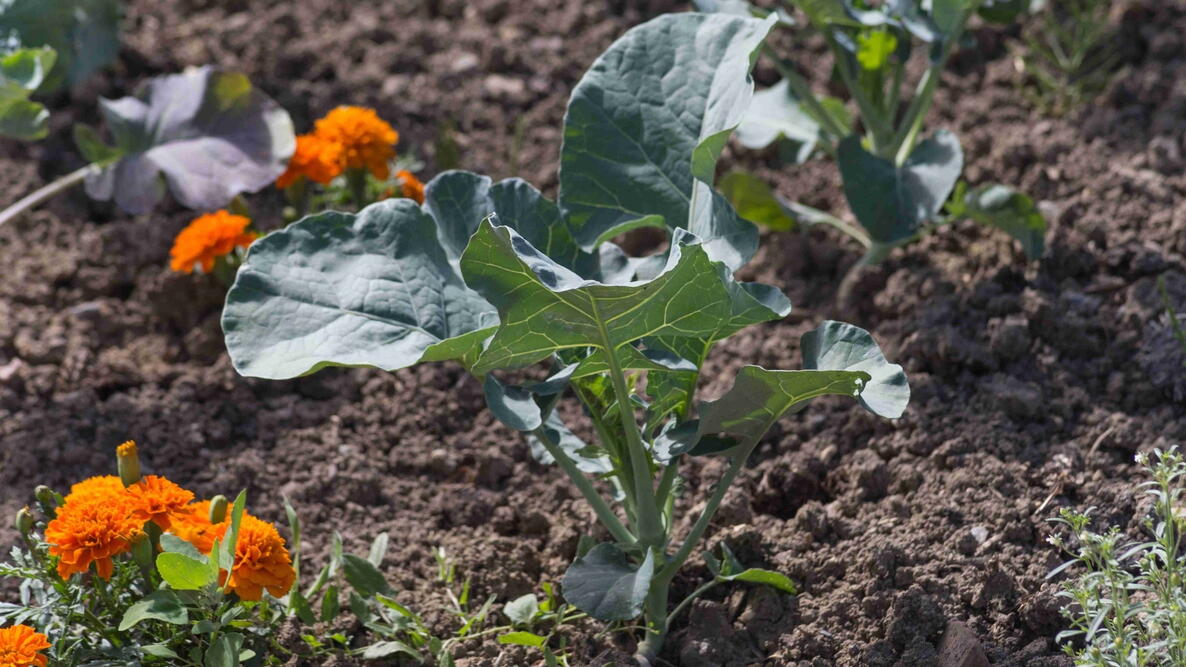
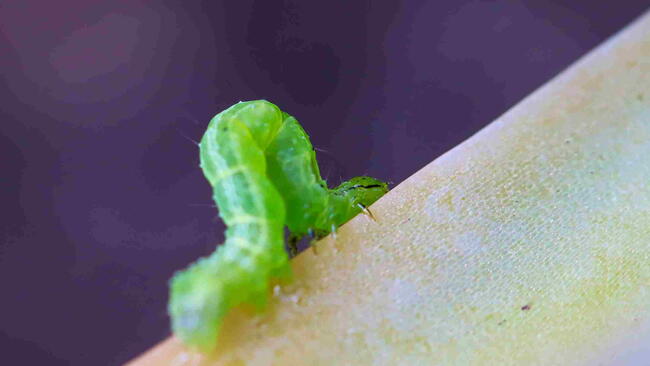
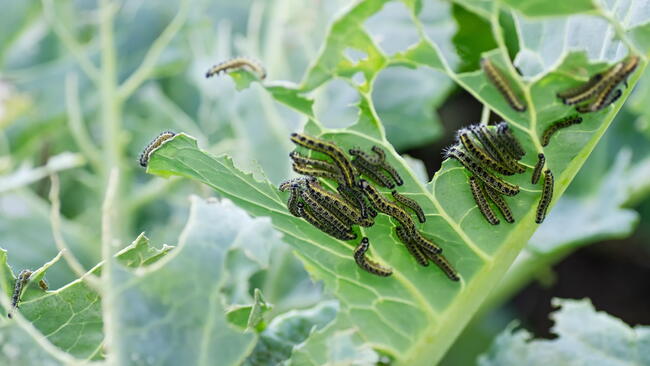
Broccoli attracts hungry pests that munch on its tender leaves and crowns. But the right broccoli companion plants can support natural pest control, along with other benefits that you—and your broccoli—will love!
Broccoli Companion Planting Chart
Use this quick chart to choose companion plants for broccoli and understand what each pairing may offer.
| Companion Plant | How It Helps Broccoli |
|---|---|
| Sweet alyssum | Attracts hoverflies whose larvae prey on aphids. USDA research supports interplanting alyssum with broccoli to provide food and habitat for these beneficial insects. |
| Nasturtiums | Helped reduce cabbage looper and imported cabbageworm damage in broccoli in an Iowa study. Trailing varieties can also cover open soil. |
| Thyme | Helped reduce cabbage looper and imported cabbageworm damage in broccoli in an Iowa study. |
| Dill | Its flowers attract beneficial insects that prey on garden pests. |
| Sage | Reduced diamondback moth egg-laying on brassicas in a greenhouse study. |
| Chinese cabbage | Certain varieties can serve as trap crops for cabbage root flies, drawing egg-laying away from the primary crop. Monitor trap plants for pests. |
| Marigolds | Add floral diversity and provide pollen and nectar for beneficial insects. Certain marigolds can suppress root-knot nematodes when grown densely as a cover crop and later worked into the soil. |
| Onions | Helped reduce cabbage looper and imported cabbageworm damage in broccoli in an Iowa study. |
| Basil | Provides food and shelter for beneficial insects. New research suggests that growing basil with broccoli may slow cabbage aphid population growth. |
| Daikon radishes | Can serve as a trap crop for flea beetles, drawing them away from young broccoli. Monitor plants and remove them if they become heavily infested. |
Why Grow Companion Plants With Broccoli?
Companion planting pairs vegetables with herbs, flowers, or other crops that serve a useful purpose. We’ve focused on broccoli pairings supported by research, although results may vary with spacing, growing conditions, and the pests present in your garden.

The right companion plants may help you:
- Reduce caterpillar damage. Thyme and nasturtiums can help reduce damage from cabbage loopers and imported cabbageworms.
- Attract beneficial insects. Flowers such as alyssum and dill provide food for helpful insects. Hoverfly larvae, for example, prey on aphids.
- Draw certain pests away from broccoli. Some Chinese cabbage varieties can serve as trap crops for cabbage root flies.
- Make better use of garden space. Compact or low-growing companions can fill open areas without crowding broccoli.
Companion planting can support pest management, but it doesn’t eliminate the need to inspect plants regularly and address problems when they appear.
What to Plant With Broccoli
Broccoli is a hungry crop, so choose companions that serve a clear purpose without crowding the plants or competing heavily for water and nutrients. Good companions can attract beneficial insects, reduce caterpillar damage, disrupt pest egg-laying, or draw pests away as trap crops.
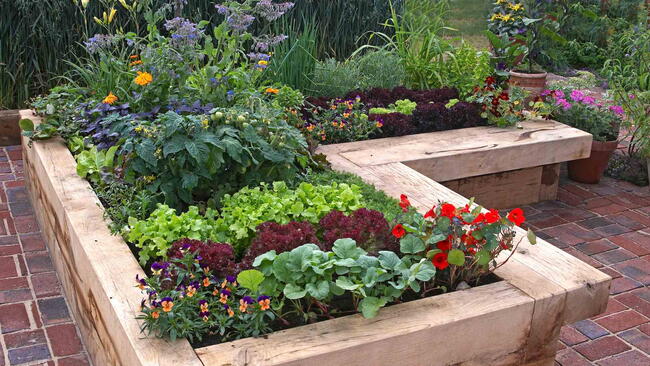
Whether you grow broccoli in the ground, in raised beds, or in roomy pots, here’s what to plant nearby and how each companion may help.
Sweet Alyssum
A low-growing annual with clusters of tiny, honey-scented flowers, sweet alyssum fits easily along garden edges without crowding broccoli.
It may be small, but those blooms do important work. They attract hoverflies, whose larvae prey on cabbage aphids. Plant alyssum in small patches and let it flower for the greatest benefit.
Nasturtiums
Nasturtiums aren’t just pretty faces! When grown with broccoli, these bright orange flowers can help reduce damage from leaf-chewing caterpillars such as cabbage loopers and imported cabbageworms.
Trailing nasturtium varieties can also spread over open soil and help suppress weeds. They can serve as a living mulch, too. Give the vines room to ramble without crowding the broccoli stems.
Thyme
Thyme can help reduce damage from leaf-chewing caterpillars, including cabbage loopers and imported cabbageworms. It also comes in a wide range of varieties, including classic garden thyme, flavorful lemon thyme, and creeping thyme, which can serve as a living mulch and help keep weeds down.
Thyme grows as a perennial in many areas and prefers drier soil than broccoli. Plant it along the edge of the bed, where you can water it appropriately and work around it when cleaning up the garden in fall and replanting in spring.
Dill

Dill flowers draw in predatory insects such as ladybugs, hoverflies, and tiny beneficial wasps that help keep garden pests in check.
While many gardeners lament when dill bolts in summer, keeping it in the garden after it flowers is the best way to use this herb for natural pest control. Dill can grow several feet tall, so plant it where it won’t shade or crowd your broccoli.
Sage
Sage may make it harder for diamondback moths to recognize and settle on brassica crops. Rather than simply repelling the moths by scent, the plant may disrupt their search for a suitable place to lay eggs.
Since sage is a bushy perennial, give it a permanent spot along the garden’s edge where it won’t crowd the broccoli.
Chinese Cabbage
Chinese cabbage attracts some of the same pests as broccoli—and that can be useful. Certain varieties serve as trap crops, drawing egg-laying cabbage root flies away from broccoli.
Check the Chinese cabbage regularly and remove or treat infested plants before pests multiply. Give both crops plenty of room and nutrients, since both are hungry brassicas.
Marigolds
Marigolds add cheerful orange and yellow blooms to broccoli beds while providing pollen and nectar for beneficial insects. Their compact size also makes them easy to tuck along the edge of a vegetable garden without competing with broccoli for space.
Certain marigolds can also help suppress root-knot nematodes when grown densely as a cover crop and later worked into the soil. For that benefit, planting a single marigold beside broccoli isn’t enough.
Onions
Onions don’t take up much room and are easy to tuck between or around broccoli plants. They can also help reduce damage from cabbage loopers and imported cabbageworms—the hungry caterpillars that chew holes in broccoli leaves.
Basil
Basil provides food and shelter for beneficial insects and may help slow the growth of cabbage aphid populations. Let some basil flower to make it even more welcoming to helpful insects.
Not to mention, when harvest time arrives, this tasty herb adds punchy flavor to almost any broccoli dish!
Daikon Radishes
Daikon radishes can serve as a trap crop for flea beetles, drawing these tiny, leaf-chewing pests away from young broccoli. Sow them around the edge of the bed a week or two before planting broccoli. Monitor them and remove heavily infested plants before the beetles multiply.
Like broccoli, radishes thrive in cool weather. They also grow quickly, allowing you to harvest another crop from the bed before the broccoli plants fill out.
What Not to Plant Near Broccoli
Broccoli may be a friendly neighbor, but it doesn’t like being crowded. There is little evidence that particular vegetables harm broccoli simply by growing nearby. The bigger concern is competition for sunlight, water, nutrients, and space.
Give broccoli plenty of room around:
- Melons, pumpkins, and sprawling squash. Their vigorous vines can quickly overtake broccoli and shade its leaves.
- Tall or trellised crops. Tomatoes, pole beans, corn, and other tall plants may block the sun broccoli needs. Position them where they won’t cast shade over the broccoli bed.
- Closely spaced heavy feeders. Broccoli needs fertile soil to form full-sized crowns. Follow the recommended spacing and avoid crowding it among several large, nutrient-hungry plants.
With enough room, water, and fertile soil, broccoli can grow near most garden vegetables without trouble.
FAQ
What grows well with broccoli?
Research-supported broccoli companion plants include sweet alyssum, nasturtiums, thyme, dill, onions, basil, and daikon radishes. Depending on the plant, they may attract beneficial insects, reduce pest damage, or serve as trap crops.
What should I not plant with broccoli?
Broccoli can grow near most vegetables, but it needs plenty of sunlight, water, nutrients, and space. Keep it from being crowded or shaded by sprawling crops, tall plants, and closely spaced heavy feeders.
Can I plant broccoli and cauliflower in the same raised bed?
Yes, but broccoli and cauliflower are both heavy feeders that attract many of the same pests. Give them plenty of room, enrich the soil, and check both crops regularly for pest damage.
Sources
- Iowa State University — Companion Planting: A Method for Sustainable Pest Control
- University of Maryland Extension — Vegetable Succession and Companion Planting
- USDA Agricultural Research Service — Intercropping Broccoli With Alyssum
- University of Minnesota Extension — Companion Planting in Home Gardens
- Iowa State University — Companion Planting: A Method for Sustainable Pest Control
- National Library of Medicine — Chinese Cabbage as a Trap Crop for Cabbage Root Flies
- University of Kentucky — Flea Beetle Management in Brassica Crops

More Like This

Comments