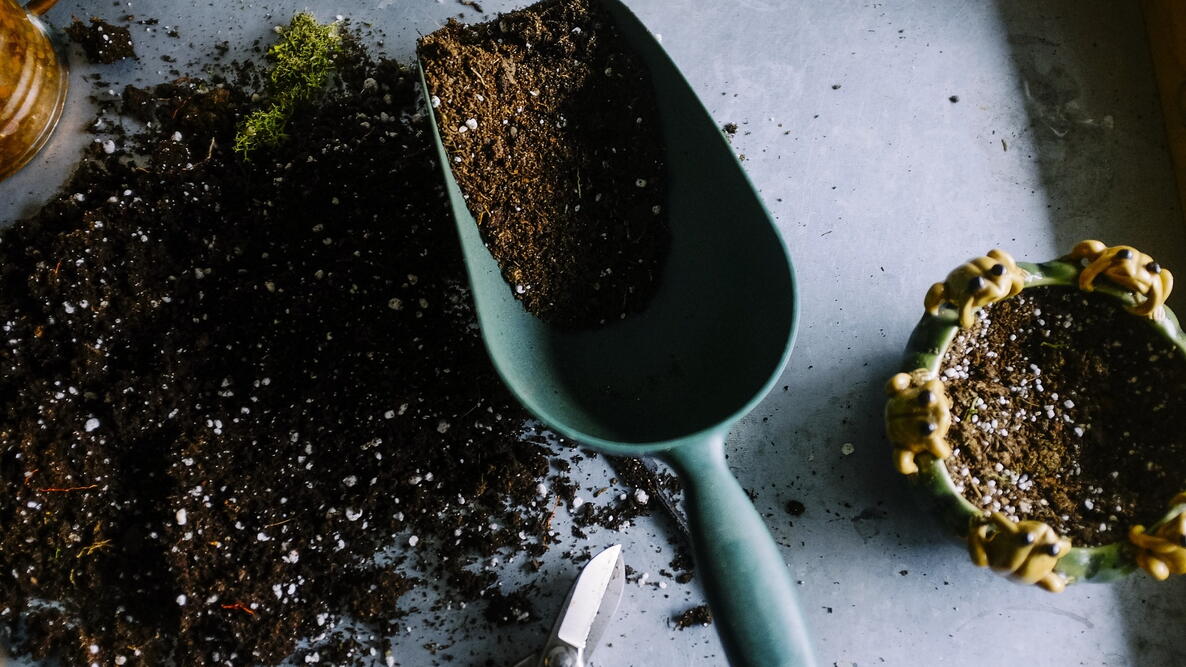

By using organic soil amendments, you can turn poor garden soil into a nutrient-rich paradise. What do we mean by “soil amendments”? What are some great soil amendments? Here is a brief overview listing some of the best amendments for your garden!
Which Nutrients Do Plants Need?
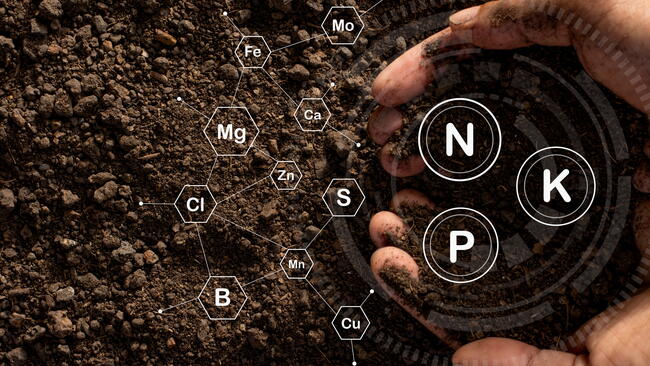
Just like humans, plants need a wide range of nutrients to keep them growing healthy and strong. Soil amendments contain these nutrients in varying amounts and can be used to supplement your garden soil if a nutrient is found to be lacking. Essential plant nutrients include:
- Primary Nutrients: Nitrogen (N), phosphorus (P), and potassium (K). Aside from carbon, hydrogen, and oxygen, these are the nutrients used by plants in the greatest amounts. These nutrients help with major functions of the plant, including foliage, fruit, root, and flower growth, as well as disease protection. Learn more about the importance of N-P-K.
- Secondary Nutrients: Magnesium (Mg), calcium (Ca), and sulfur (S). These nutrients are needed in lesser amounts but are just as important to the overall health of the plant. Soil amendments may be used purely to boost these elements.
- Micronutrients: Nutrients in this category are needed in much smaller amounts than primary and secondary nutrients. Most soil amendments will contain some amount of micronutrients in addition to the main nutrient. Micronutrients include boron (B), zinc (Zn), iron (Fe), manganese (Mn), chlorine (Cl), copper (Cu), molybdenum (Mo), nickel (Ni), and cobalt (Co).
Organic Soil Amendments
Organic soil amendments are a great natural alternative to chemical fertilizers, but before adding anything to your soil, you should perform a soil test to see what’s already there. After testing, you’ll know exactly which elements you need to add—and that’s where soil amendments come in. Read more about preparing your soil for planting here.
Mineral Supplements
- Aragonite is a source of calcium that comes from mollusk shells. Since it’s low in magnesium, it’s good to use it if your soil needs calcium but does not need any extra magnesium. Too much magnesium can “tie up” other nutrients, making them unavailable for plants to use. If your pH is low (acidic), aragonite has almost as much sweetening power as limestone.
- Azomite is a trademarked acronym for “A to Z Minerals Including Trace Elements.” Mined in Utah, it’s ancient volcanic dust that merged with seawater 30 million years ago. It contains over 60 minerals that are good for plant growth.
- Bone Char is burned bone meal that provides a readily accessible source of phosphorus.
- Calphos Colloidal Phosphate is a good choice if your soil is low in calcium and phosphorus.
- Dolomitic Limestone will not only raise your soil pH better than pure limestone, but it also provides calcium and magnesium.
- Granite Meal is a rock powder that provides slow-release potassium and trace minerals without changing the pH of your soil.
- Greensand is also called glauconite. It’s high in potassium and iron and has small amounts of magnesium and other trace elements. Greensand is good for loosening clay soils and improving sandy soil.
- Gypsum is 23% calcium and 17% sulfur, which means that it can provide a source of calcium without raising pH levels. It helps improve drainage by aerating the soil, neutralizes plant toxins, and removes sodium from the soil. The sulfur reacts with water and forms a weak sulfuric acid that frees up calcium.
- Hi-Cal Lime is used to raise the pH and add calcium at the same time.
- Sulfate of Potash contains 51% potassium and 18% sulfur along with trace amounts of calcium and magnesium. It is mined in the Great Salt Lake Desert in Utah.
- Sul-Po-Mag, also called langbeinite, is used if you need magnesium and potassium but not more calcium. It does not raise pH.
- Zeolites are found in volcanic ash and can improve water and mineral retention in sandy soils.
| Amendment | Type | Nutrients Provided | Best For | Effect on Soil pH |
|---|---|---|---|---|
| Aragonite | Mineral | Calcium | Low-calcium soils without extra magnesium | Slightly raises pH |
| Azomite | Mineral | 60+ trace minerals | General soil health, micronutrient boost | Neutral |
| Bone Char | Mineral | Phosphorus | Root and flower development | Neutral |
| Calphos | Mineral | Calcium, Phosphorus | Low calcium & phosphorus soils | Neutral |
| Dolomitic Limestone | Mineral | Calcium, Magnesium | Acidic soils needing both nutrients | Raises pH |
| Granite Meal | Mineral | Potassium, trace minerals | Clay loosening, sandy soil improvement | Neutral |
| Greensand | Mineral | Potassium, Iron, Mg | Soil structure, long-term K source | Neutral |
| Gypsum | Mineral | Calcium, Sulfur | Drainage improvement, sodium removal | Neutral |
| Hi-Cal Lime | Mineral | Calcium | Acidic soils needing Ca only | Raises pH |
| Sulfate of Potash | Mineral | Potassium, Sulfur | Potassium boost for fruit/flower crops | Neutral |
| Sul-Po-Mag | Mineral | Potassium, Magnesium, Sulfur | Mg & K boost without extra Ca | Neutral |
| Zeolite | Mineral | Trace minerals | Water & nutrient retention | Neutral |
Organic Nutrient Meals
- Alfalfa Meal is a source of readily available nitrogen for plant growth and also feeds soil organisms. It contains vitamins, folic acid, and trace minerals.
- Blood Meal sounds like every vegetarian’s nightmare, but it is very high in fast-release nitrogen. It also repels deer.
- Bone Meal is used as a source of phosphorus and calcium.
- Fish Meal is an excellent source of nitrogen and potassium. It is a byproduct of fish farming.
- Kelp Meal is dried, ground-up seaweed. It provides trace minerals, amino acids, and enzymes that stimulate plant and root growth and are beneficial to soil life. By improving soil structure, it can help your soil hold moisture and reduce the effects of drought and frost.
- Soybean Meal contains high amounts of nitrogen and potassium that are released slowly as it breaks down. Look for organic sources, since most commercially grown soybeans are genetically modified.
| Amendment | Type | Nutrients Provided | Best For | Effect on Soil pH |
|---|---|---|---|---|
| Alfalfa Meal | Organic Meal | Nitrogen, trace minerals, vitamins | Boosting soil life, steady N release | Neutral |
| Blood Meal | Organic Meal | High Nitrogen | Rapid green growth, deer repellent | Slightly acidifying |
| Bone Meal | Organic Meal | Phosphorus, Calcium | Strong roots, flowering plants | Neutral |
| Fish Meal | Organic Meal | Nitrogen, Potassium | Soil health, leafy and fruiting crops | Neutral |
| Kelp Meal | Organic Meal | Trace minerals, amino acids | Root growth, stress resistance | Neutral |
| Soybean Meal | Organic Meal | Nitrogen, Potassium | Slow-release nutrients, organic gardens | Neutral |
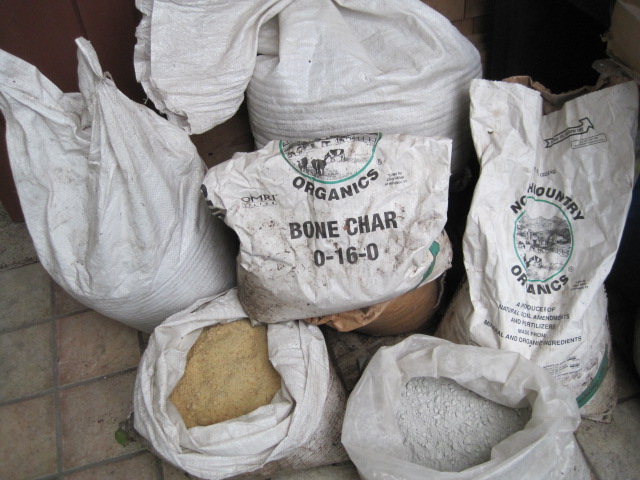
How do you add soil amendments, and how much is appropriate? Get a free or low-cost soil test. This will be your guide when adding fertilizers and amendments to your soil. Too much of a good thing is worse than not enough, so don’t overdo it. The idea is to feed the soil, not the plants. Remember: healthy soil makes for healthy plants!
Frequently Asked Questions
What are soil amendments?
Soil amendments are natural or synthetic materials added to the soil to improve its structure, fertility, and overall health. They help balance nutrients, improve drainage, retain moisture, and support strong plant growth.
What’s the difference between soil amendments and fertilizer?
Fertilizers feed the plant directly by providing nutrients, while soil amendments improve the condition of the soil itself. Many organic amendments also release nutrients gradually, helping feed both the soil and the plants over time.
How do I know which soil amendments to use?
The best way is to perform a soil test before adding anything. A soil test will tell you which nutrients are lacking and whether your soil is too acidic or alkaline. From there, you can choose the right amendments.
Are organic soil amendments better than chemical fertilizers?
Organic amendments like compost, kelp meal, and bone meal improve long-term soil health by feeding beneficial microbes and building structure. Chemical fertilizers may provide a quick nutrient boost, but they don’t improve soil structure or microbial life.
Can I use too many soil amendments?
Yes! Adding too much of any nutrient can cause imbalances that harm plant growth. For example, excess nitrogen can burn plants, and too much lime can make soil too alkaline. Always follow soil test recommendations.
Which soil amendment is best for sandy soil?
Amendments like compost, greensand, and zeolite help sandy soil retain water and nutrients. Adding organic matter also improves soil texture and fertility.
Which soil amendment is best for clay soil?
Gypsum, compost, and granite meal are great choices for clay soil. They help loosen heavy clay, improve aeration, and enhance drainage.
How often should I add soil amendments?
Most gardeners amend their soil once or twice per year, typically in spring and fall. Frequency depends on your soil test results and the type of crops you grow.
Are soil amendments safe for organic gardening?
Yes, many amendments like bone meal, blood meal, kelp meal, and compost are approved for organic gardening. Always check the source to ensure they meet organic standards.
Which soil amendments do you use in your garden? Let us know in the comments!

More Like This



Eggshells generally decompose quite slowly, so we think of them more as something to add to compost. It's more of a myth that crushed eggshells will prevent blossom end rot in tomatoes. This kind of calcium deficiency is not a result of inadequate calcium in the soil, but rather the ability of water to take up the calcium. The good news is that they won't harm your soil or plants and they do add organic material for soil organisms.
If you're ever worried about calcium in the soil, it's best to do a soil test which is usually free or very low-cost through your cooperative extension. Agricultural lime and gypsum are good sources of calcium if your soil test says you need calcium.
Sure, eggshells add calcium. However, large chunks of eggshells will take at least a year to break down making their stored calcium plant available perhaps the next growing season.
There are a number of reasons why a mature pecan tree is not producing. But if the inside of the nut seems soft, you may have kernel rot. A fungicide should be used right away. We'd suggest that you reach out to a local cooperative extension office or pecan tree nursery.
- « Previous
- 1
- 2
- …
- 10
- Next »

Comments