Lichens are some of the most fascinating and resilient organisms on Earth. Found growing on rocks, trees, soil, and even in extreme environments like Arctic tundras and deserts, lichens are not actually plants at all. Instead, they are a unique partnership between algae and fungi living together in a mutually beneficial relationship called symbiosis.
In this guide, you’ll learn what lichens are, how they grow, where they live, and why they are important to ecosystems and air quality. These ancient organisms can survive harsh conditions, help create soil, and even serve as indicators of environmental health.
What Are Lichens?
Lichens may look like a single plant, but they are actually made up of two different organisms working together as one. A fungus and an alga form a partnership that allows them to survive in places where neither could live alone.
The fungus provides structure and protection by forming a network of threadlike fibers called hyphae, which absorb moisture and minerals from the environment. The alga, which contains chlorophyll, produces food through photosynthesis using sunlight, water, and nutrients. Together, they create a stable and self-sustaining organism capable of thriving in extreme environments.
Scientists have identified more than 20,000 species of lichens worldwide, making them one of the most widespread life forms on Earth.
How Lichens Grow and Survive
Lichens grow slowly but steadily, sometimes living for thousands of years. Some Arctic lichens are estimated to be over 5,000 years old, making them among the oldest living organisms on Earth.
Because lichens grow at predictable rates, scientists often use them to estimate the age of exposed rocks and historical structures in a process called lichenometry. Their slow growth and resilience allow them to survive in conditions such as:
- freezing Arctic climates
- dry desert environments
- rocky mountain peaks
- forest floors and tree bark
This ability to survive extreme conditions makes lichens an important part of many ecosystems.
Types of Lichens
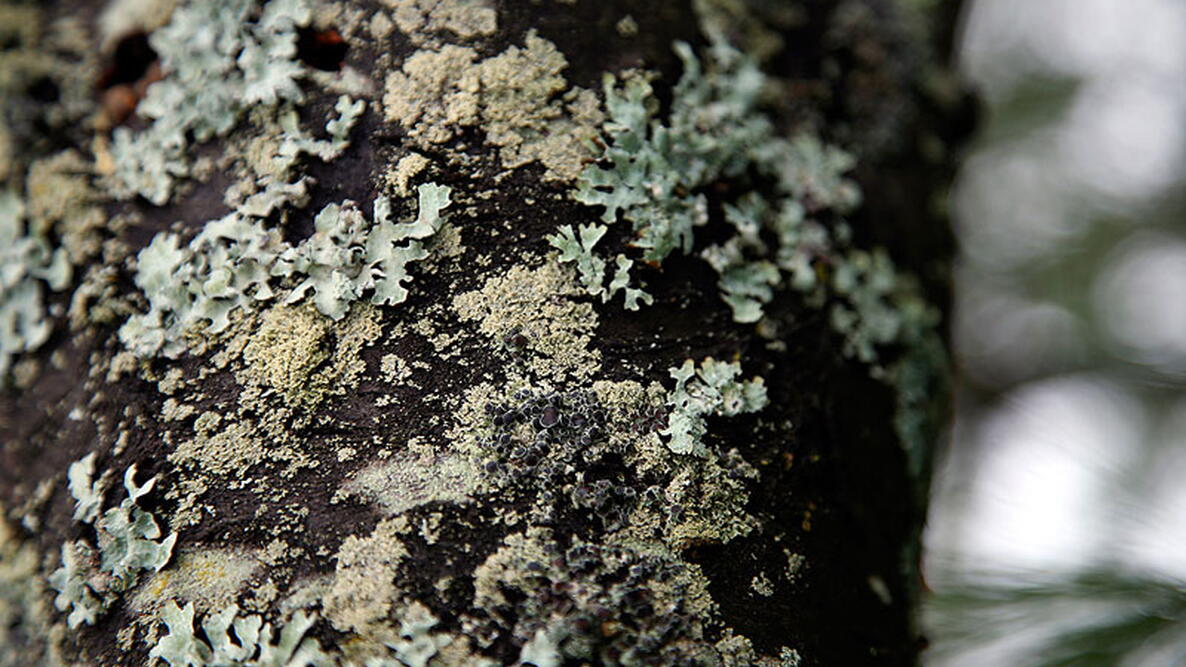
Lichens come in a variety of shapes, colors, and growth forms. Some form thin crusts on rocks, while others resemble leaves or hair hanging from tree branches.
Crust Lichens
These form colorful crust-like patches on rocks and bark and are often tightly attached to their surfaces.
Leaf Lichens
Leaf lichens have flat, leafy structures that grow loosely on trees and soil.
Hair Lichens
Hairlike lichens hang from tree branches, creating a soft, draping appearance. One well-known example is “old man’s beard.”
British Soldier Lichen
This striking red-crested lichen grows on forest floors, rocks, and decaying wood and is one of the most visually recognizable species.
Why Lichens Are Important
Lichens play a crucial role in the natural world and support many ecosystems.
Soil Formation
Lichens are known as pioneer organisms because they are often the first to grow on bare rock. They slowly break down rock surfaces using natural acids, creating small pockets of soil where mosses and plants can grow.
Wildlife Support
Many animals depend on lichens for survival:
- birds use lichens to line and camouflage their nests
- insects and invertebrates use them for shelter and food
- reindeer and caribou rely on lichen as a winter food source
In Arctic regions, reindeer moss—actually a lichen—is a primary food for reindeer, caribou, and moose.
Lichens and Air Pollution
Despite their ability to survive in extreme environments, lichens are very sensitive to air pollution. They absorb nutrients and moisture directly from the air, which makes them vulnerable to harmful pollutants.
About a century ago, industrial pollution caused lichens to disappear around many European cities, creating areas known as “lichen deserts.” Today, scientists monitor lichens in cities and forests to track air pollution and acid rain.
Because of their sensitivity, lichens serve as natural environmental indicators and help researchers measure air quality and ecosystem health.
Interesting Lichen Facts
- Some lichens are over 5,000 years old
- Lichens are a combination of algae and fungi
- They grow on rocks, trees, soil, and buildings
- Lichens help create soil and support ecosystems
- Scientists use lichens to monitor air pollution
- Reindeer depend on lichen as a winter food source
Frequently Asked Questions
Are lichens plants or fungi?
Lichens are a symbiotic partnership between algae and fungi, not a single plant.
How old can lichens live?
Some Arctic lichens are estimated to be over 5,000 years old.
Where do lichens grow?
Lichens grow on rocks, trees, soil, and even in deserts and Arctic environments.
Why are lichens important?
They help form soil, support wildlife, and indicate air quality.





Comments