
Invasive plants are non-native species that spread aggressively and cause harm to the environment, economy, or human health. While not all introduced plants become invasive, some grow rapidly without natural predators or diseases to keep them in check. Over time, these species can crowd out native plants, reduce biodiversity, and alter entire ecosystems.
Many invasive plants were originally brought to North America for ornamental gardening, erosion control, agriculture, or accidental transport. What may have started as a beautiful roadside flower or useful landscaping shrub can quickly become a difficult-to-control problem once it escapes cultivation.
Understanding what makes a plant invasive—and learning how to prevent its spread—is essential for protecting local habitats, wildlife, and native plant communities.
What Is an Invasive Plant?
So-called “invasive” plant species generally refer to non-native (aka “alien”) plants that spread rapidly and threaten economic harm or the health of native ecosystems. Most states have enacted laws and regulations forbidding the sale, importation, or propagation of such species.
According to the Nature Conservancy, invasive species cost the U.S. economy $120 billion a year, with over 100 million acres (an area roughly the size of California) suffering from invasive plant infestations.
| Feature | Native Plants | Invasive Plants |
|---|---|---|
| Origin | Naturally occur in region | Introduced from another region |
| Growth Rate | Balanced by ecosystem | Aggressive and unchecked |
| Wildlife Value | Supports native species | Often poor nutrition source |
| Control | Naturally regulated | Difficult to remove |
How Invasive Plants Spread
All plants have some geographical point of origin, an ecosystem where they co-evolved with numerous other plants, animals, and microorganisms over millennia, to the point where they keep one another’s populations in check.
To thrive, plants have evolved many ingenious ways to distribute themselves, among them
- Root systems that spread rapidly and invisibly underground.
- Seedpods that explode when ripe, spitting their seeds far and wide.
- Seeds so light they can float long distances on the wind.
- Seeds are carried in the digestive systems of animals that eat their fruits and deposit the seeds some distance away in a little packet of scat that helps fertilize the ground they fall on.
- Seeds with barbs or burrs that stick to the fur of passing animals that transport them to new ground.
Humans took favorite plants with them as they traveled to explore, settle, and exploit new lands, a practice very much with us today. More recently, people have imported non-native species to introduce as ornamental specimens to gardens, to control erosion on disturbed construction sites, or for other purposes. Still other invasives hitched rides on ships transporting agricultural, forestry, or other products.
In their new habitats, some (not all) non-native plants spread rapidly, since their new surroundings lack the plant diseases, predators, and strong competition from other plants that kept them under control in their native ecosystems.
Why Are Invasive Plants Harmful?
Invasives include vines, grasses, herbaceous flowering plants, shrubs, and trees. Invasive vines may strangle native trees and shrubs; grasses, herbaceous species, and shrubs may crowd out native plants. They may reduce biodiversity by strangling or crowding out native species, degrade and destroy habitat, and destroy food webs by providing wildlife with less nutritious seeds or fruits than native plants.
Aquatic/wetland invasives are often spread between and among waterbodies by boats, trailers, and other recreational equipment. These plants may crowd out organisms within the ecosystem, clog waterways, or kill or alter the balance of aquatic life.
Examples of Common Invasive Plants
Invasive plants come in many forms—vines, shrubs, trees, grasses, and aquatic species. While the specific species vary by region, the following invasive plants are widespread across the United States and are known for aggressively crowding out native vegetation.

Photo: LindaKi/Shutterstock
Japanese Knotweed (Fallopia japonica)
Often mistaken for bamboo, Japanese knotweed forms dense, impenetrable thickets along roadsides, rivers, and backyards. It spreads through underground rhizomes that can extend many feet from the parent plant. Once established, it is extremely difficult to remove and can even damage foundations and pavement.

Photo: AnnaGTS/Shutterstock
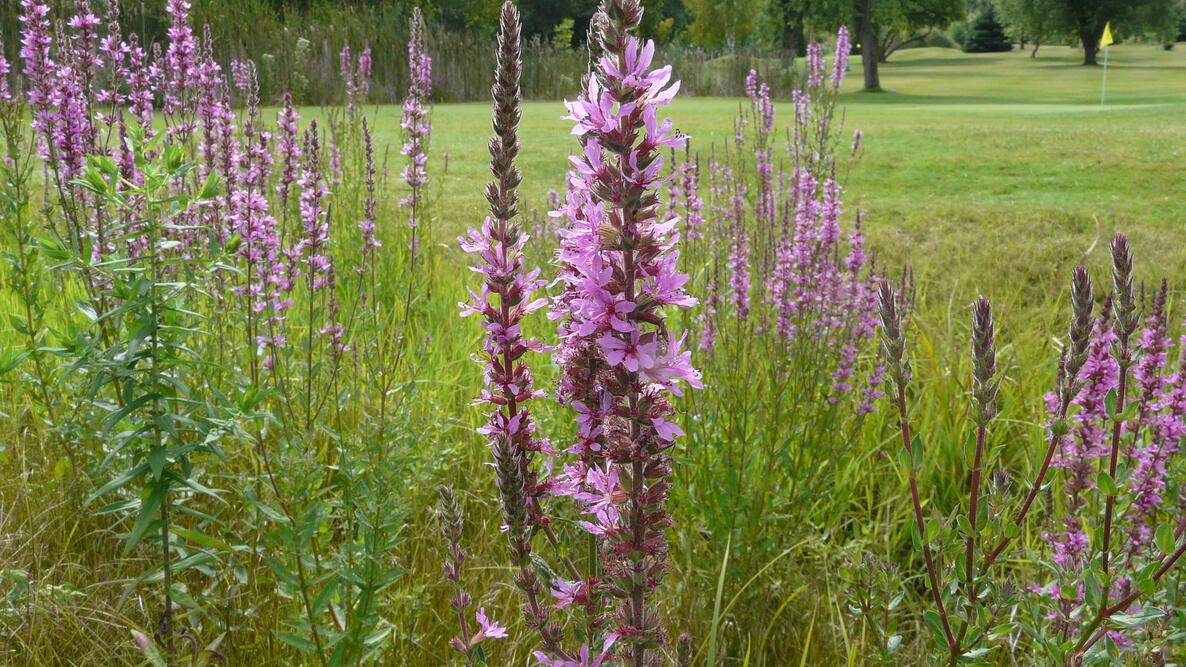
Purple Loosestrife (Lythrum salicaria)
This tall plant produces spikes of bright purple flowers that look beautiful in wetlands—but it aggressively displaces native marsh plants. Purple loosestrife reduces biodiversity and limits habitat for birds, amphibians, and pollinators that depend on native wetland vegetation.

Photo: Binimin/Shutterstock
Autumn Olive (Elaeagnus umbellata)
Originally introduced for erosion control and wildlife habitat, autumn olive is now considered invasive in many states. It spreads rapidly by seed (often distributed by birds) and forms dense thickets that shade out native shrubs and tree seedlings.

Photo: MacBen/Shutterstock
Multiflora Rose (Rosa multiflora)
This thorny shrub was once planted as a “living fence” for livestock. Today, it invades forests, fields, and roadsides, forming nearly impenetrable hedges. Multiflora rose spreads by seed and by rooting where its canes touch the ground.

Photo: Bykot Photo/Shutterstock
Japanese Barberry (Berberis thunbergii)
A popular ornamental shrub, Japanese barberry escapes cultivation and invades woodlands. It alters soil chemistry and creates dense understory growth that reduces native plant diversity. Studies have also linked heavy barberry infestations to increased tick populations.

Photo: High Mountain/Shutterstock
Oriental Bittersweet (Celastrus orbiculatus)
This fast-growing vine produces attractive orange berries often used in wreaths and fall decorations. However, it climbs and strangles trees, eventually causing them to collapse under its weight. Improper disposal of decorative vines can spread seeds into natural areas.

Photo: Michiru13/Shutterstock
Lesser Celandine (Ficaria verna)
This early-blooming yellow flower spreads aggressively through underground tubers and bulbils. It blankets forest floors before native spring ephemerals emerge, crowding them out and reducing food sources for early pollinators.
Aquatic Invasives (e.g., Hydrilla, Eurasian Watermilfoil)
Aquatic invasive plants can clog waterways, block sunlight, and reduce oxygen levels in lakes and ponds. They often spread via boats, trailers, and fishing equipment moved between water bodies.
Learning to recognize invasive plants in your region is the first step toward protecting native ecosystems.
Check out our list of 10 invasive plants to avoid in your garden, as well as native alternatives!
How to Stop Invasive Plants from Spreading
If you’re a landowner, a gardener or farmer, a pond owner, a recreational boating enthusiast, or simply a citizen concerned about the health of your local environment, there are things you can do to help stop the spread of invasive plant species:
- Learn to recognize by sight the invasive species in your area and point them out to others.
- Don’t dig anything from the wild unless you’re certain it’s not invasive (or endangered).
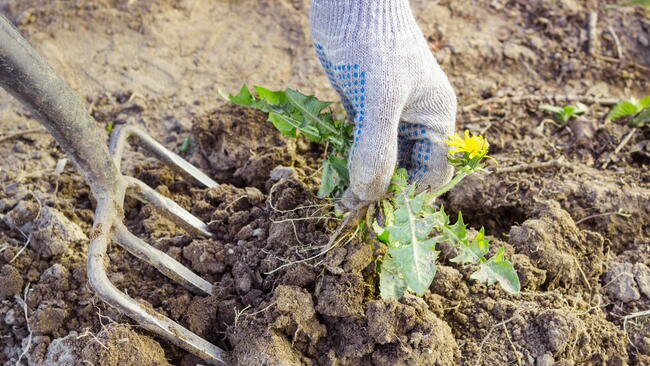
- If you do see an invasive on your own property, dig it up, smother it, or follow instructions from your state’s invasive species program. Severe infestations may require herbicides.
- Plant native shrubs and flowers. They not only provide the best food and shelter for native wildlife and protect the environment from the spread of harmful weeds, but they are also easier to maintain.
Frequently Asked Questions
What makes a plant invasive?
A plant is considered invasive when it is non-native and spreads aggressively, causing environmental, economic, or ecological harm.
Are all non-native plants invasive?
No. Many non-native plants are harmless. Only those that spread aggressively and disrupt ecosystems are considered invasive.
How do invasive plants spread?
They spread through windblown seeds, waterways, animals, underground roots, and human activities like landscaping and boating.
Can invasive plants be removed naturally?
Some small infestations can be controlled by digging, smothering, or repeated cutting. Severe cases may require herbicides or professional management.
Why are invasive plants bad for wildlife?
They reduce biodiversity, displace native food sources, and disrupt natural habitats and food webs.
Invasive plant species may seem harmless at first, but once established, they can transform entire landscapes. By learning to identify invasive plants and choosing native alternatives, homeowners and communities can protect local ecosystems and biodiversity.

More Like This

Honeysuckle is very invasive and tough to eradicate. You need to cut them down to the stump and then spray the stump with herbicide two years in a row. Hope this helps.

Comments