Succession planting is a simple way to grow more vegetables in the same garden space. By planting a new crop as soon as an earlier crop finishes, you can enjoy multiple harvests throughout the growing season—even in a small garden.
Quick Guide: Succession Planting Examples
- Radishes → beans → fall greens
- Early potatoes → cabbage or kale
- Lettuce → carrots → spinach
- Peas → summer beans → fall crops
What is Succession Planting?
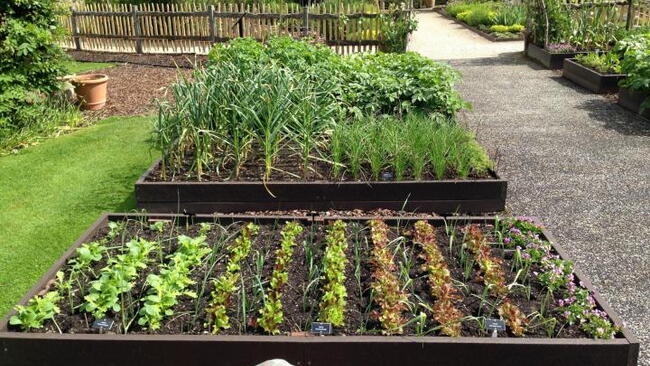
With succession planting, you enjoy multiple harvests from a single patch of ground in any given growing season. This is done by planting one crop immediately after an earlier crop has finished to keep the harvests coming. So, you are planting two or more crops in “succession.”
Benefits of Succession Planting
Growing like this not only maximizes productivity, ensuring more for you to eat, but maintaining soil cover with the leaves and roots of crops also provides fewer opportunities for weeds while protecting the ground from erosion caused by wind and heavy rain.
Many vegetables need only half the growing season to reach harvest time, leaving plenty of fine weather to start off a crop that will either be harvested before the end of the season or remain in the ground to give a crop over the winter or spring.
Best Vegetables for Succession Planting
Vegetables that can be followed with a successional crop include:
- bush beans
- early potatoes
- carrots
- onions
- garlic
- beets
- many salad greens
When these first spring crops are harvested, you can make way for the second crop of the season. These vegetables can take advantage of the warm soil and high light levels to grow quickly.
Before planting the second crop, clean the ground of any weeds, then use a rake to break up any clumps and tamp the soil down before raking flat. Good, rich soil that had organic matter added for the previous crop shouldn’t require any more, but if your soil does need a boost, now’s the time to add a thin layer of compost before sowing or planting.
Speed is of the essence, so aim to have young plants or seeds ready to go in immediately after the first crop is cleared; that way you’ll make the most of the valuable warmth that remains this summer.
Succession Crops
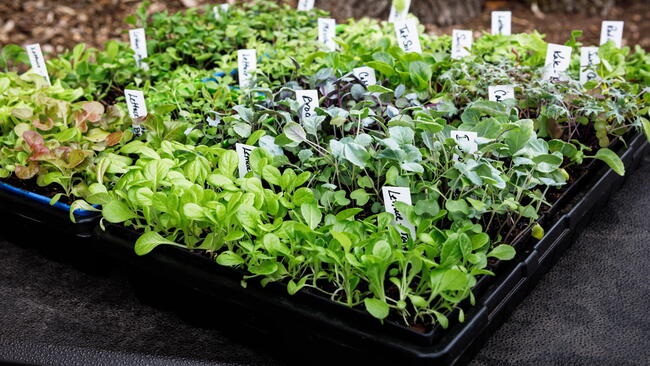
Some crops may need to be planted out as young plants from sowings made earlier on, or from transplants, to ensure they reach harvesting stage before the season ends. These include many of the cabbage family plants, such as kale, cauliflower, and cabbage, plus Florence (bulbing) fennel, beets, and lettuce. Some will be harvested in the fall, while others will yield a small crop in winter before the main harvest in spring.
Plants to grow from seed include chard, Oriental vegetables such as bok choy, herbs like parsley and cilantro, and salad greens such as endive, spinach, and arugula.
How to Plan a Succession Garden
Planning your successional sowings and plantings in advance will make it a lot easier to work out what can follow on from what.
Here’s a list of common vegetables that can be planted in succession, as well as suggested planting dates based on your usual first fall frost date:
Last Planting Dates for Second-Season Crops
To calculate the best time to plant your second vegetable crops, look at the first expected freeze dates in the chart below. Choose the date that comes closest to the expected first killing frost in your area.
| Vegetable | First Frost: Sept 10 | First Frost: Sept 20 | First Frost: Sept 30 | First Frost: Oct 10 | First Frost: Oct 20 | First Frost: Oct 30 |
|---|---|---|---|---|---|---|
| Beets | June 25 | July 5 | July 15 | July 25 | August 5 | August 20 |
| Broccoli (transplants) | * | June 15 | June 25 | July 10 | July 25 | August 10 |
| Bush beans | * | * | June 15 | July 1 | July 15 | July 30 |
| Cabbage (transplants) | * | June 15 | June 25 | July 10 | July 25 | August 10 |
| Carrots | June 25 | July 5 | July 15 | July 25 | August 5 | August 15 |
| Chard | June 25 | July 5 | July 10 | July 20 | July 30 | August 15 |
| Corn | * | * | June 15 | June 25 | July 10 | July 20 |
| Cucumbers | * | * | June 15 | June 30 | July 15 | August 1 |
| Leaf lettuce | July 20 | August 1 | August 10 | August 20 | September 1 | September 10 |
| Peas | June 25 | July 10 | July 20 | August 1 | August 10 | August 20 |
| Peppers (transplants) | * | June 20 | June 30 | July 7 | July 15 | July 25 |
| Radishes | August 1 | August 15 | September 1 | September 10 | September 20 | September 30 |
| Spinach | July 15 | July 25 | August 5 | August 15 | August 25 | September 5 |
| Tomatoes (transplants) | June 15 | June 20 | June 25 | June 30 | July 5 | July 15 |
| Winter squashes/pumpkins | * | * | June 15 | June 25 | July 5 | July 15 |
*Indicates a vegetable that probably will not survive as a second crop in your garden
For planting dates tailored to your area, check out our Garden Planner’s Succession Planting feature to help you plan where and when to sow your successional crops. Start by double-clicking on a crop to bring up the plant edit box. Now set the dates it will be in the ground. Repeat for all your crops.
You can now view your garden plan in a particular month, which will show you where gaps appear as earlier crops are harvested. The filter button can then be used to narrow down the choice of crops for starting off in that month: Either narrow down to those suitable for sowing or planting by month or select the Suitable for Fall Planting/Harvesting button. It’s now easy to see where you can add the plants you want to grow to your garden plan.
Summer Sowing Tips for Fall Harvests
Direct sowings in the height of summer can be challenging in hot weather, particularly for leafy vegetables and salads such as chicory and spinach that need cooler soil temperatures to germinate. You can improve conditions by watering into seed drills before sowing to cool the soil down. Repeat two more times if the soil is especially dry. Doing so also creates a moist environment around the seeds.
Sowing under shade cloth can help, or sow into plugs of potting soil in a shady corner to plant out once the soil has cooled down towards the end of summer.
Some plants such as kale and other brassicas can struggle in the heat. A simple shade cover will help keep conditions that little bit cooler.
Frequently Asked Questions
What vegetables are best for succession planting?
Fast-growing vegetables such as lettuce, spinach, radishes, carrots, bush beans, beets, and salad greens are excellent choices for succession planting.
How many times can you succession plant?
Depending on your growing season and climate, many gardeners can grow two or three crops in the same garden space.
When should I start succession planting?
Start planning succession crops before your first crop is finished so seeds or transplants are ready to go into the garden immediately.
Careful successional sowing and planting can ensure a steady stream of year-round harvests. As always, we’d love to hear your experiences of succession planting—drop us a comment below and tell us what you’re growing.

More Like This