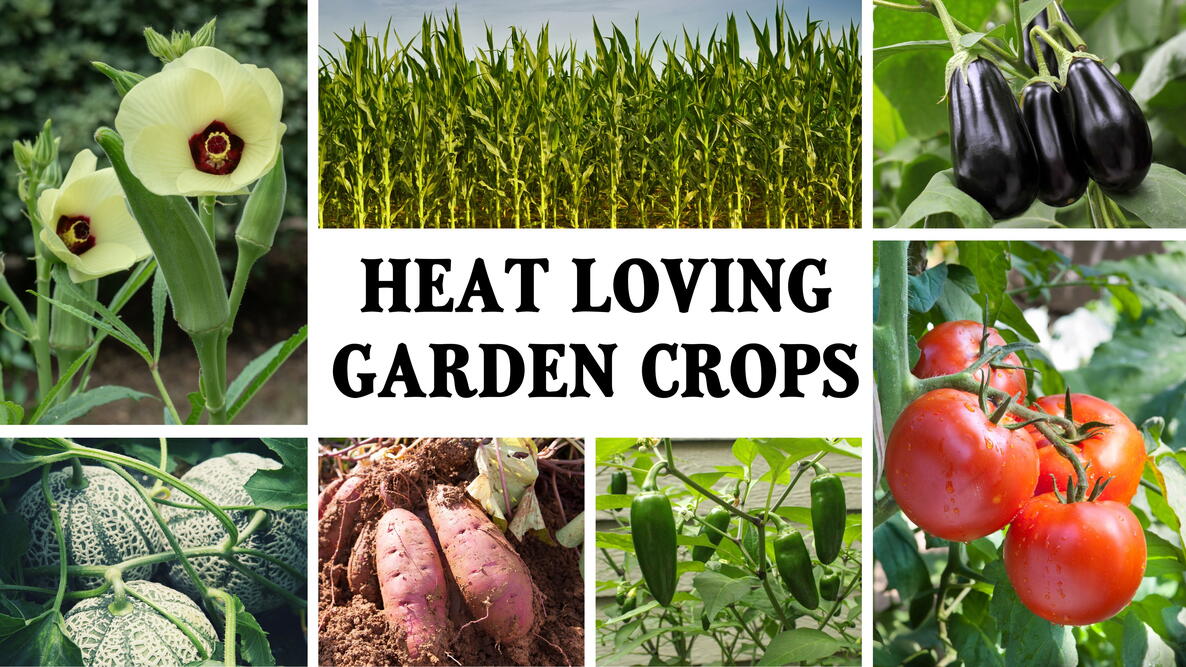
Discover the top vegetables that thrive in scorching heat

When the heat index climbs higher than your electric bill, some veggies throw in the towel—but others throw a party. If your lettuce is wilting and peas are pouting, don’t sweat it (literally). There’s a whole lineup of heat-loving crops that thrive when the mercury rises. Here’s your guide to growing the best vegetables for hot weather—and keeping your summer garden spicy, sweet, and unbothered by the heat.
Top Veggies for Hot Weather
Peas, spinach, and lettuce will certainly not make the list, but some vegetables need the heat to grow well and develop the best flavor.
When looking for heat-loving plants, pay attention to the origin of the species. A plant that hails from a tropical or sub-tropical region will do better in the heat than one from a northern climate.
Yard-Long Beans
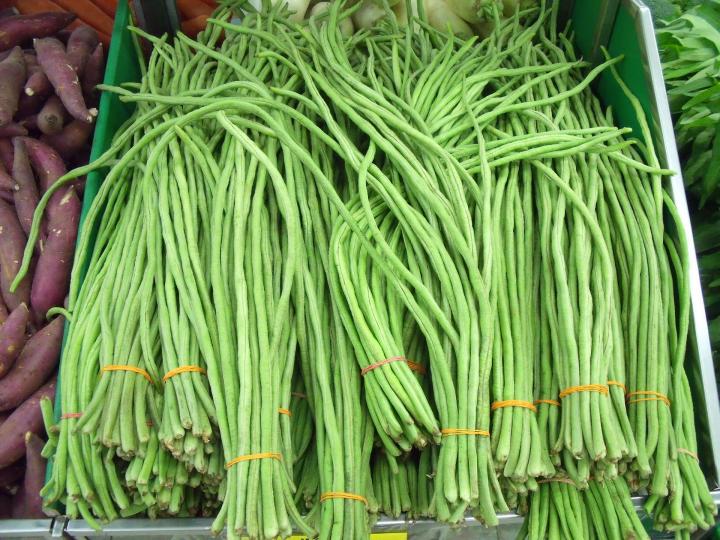
Yard-long beans—also called asparagus beans—are from southern Asia, and unlike regular snap beans that drop their blossoms and sulk in extremely hot weather, they thrive in the heat. Related to cowpeas—another bean that stands up to sweltering temperatures and high humidity—yard-long beans are best grown on a trellis or fence. Don’t wait for them to get 36 inches long before picking, though. They are best eaten at about 12 to 15 inches long, before the beans fill out the pod.
Okra
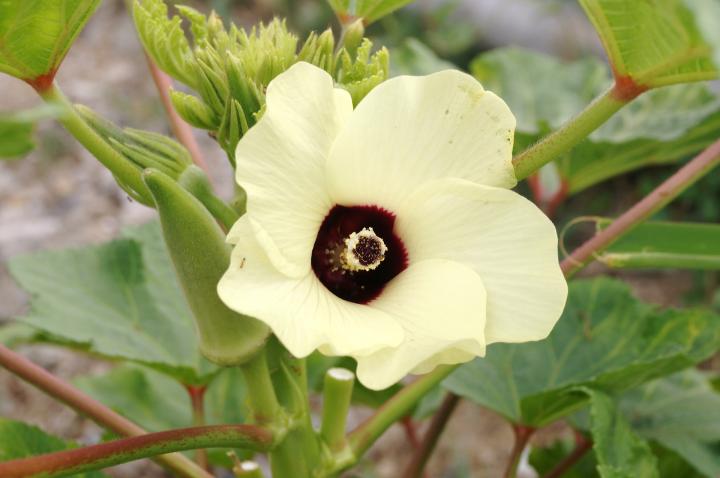
Okra is a favorite in the Deep South. Native to Ethiopia, it likes warm nights and soil temperatures in the 80s. A member of the mallow family, it has beautiful hibiscus-like flowers that are self-pollinating, so you don’t have to worry if it is too hot for the bees to do their job. Pick the pods while they are young and tender.
Melons
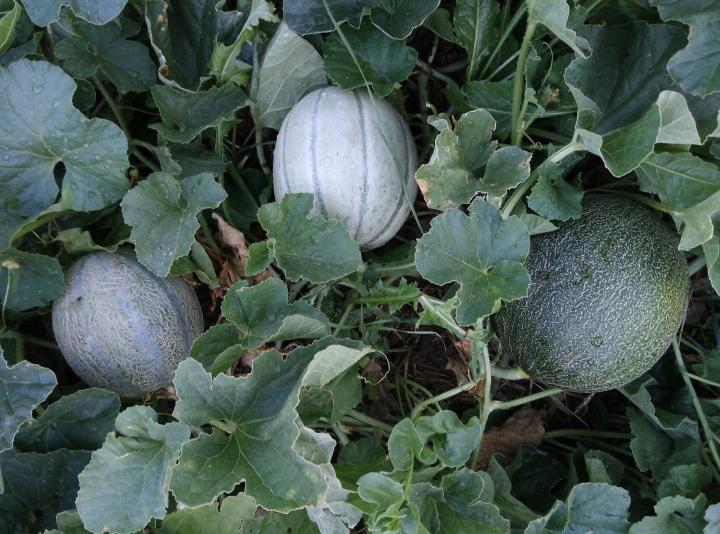
Melons originated in Africa and southern Asia. They need 2 to 3 months of hot weather to develop their luscious sweetness. Keep the plants evenly moist, but don’t overwater, especially when the fruits are ripening. Too much water will dilute the sugars, making the melons bland. Many heirloom varieties are deep-rooted and able to stand up to heat and drought.
Sweet Potatoes
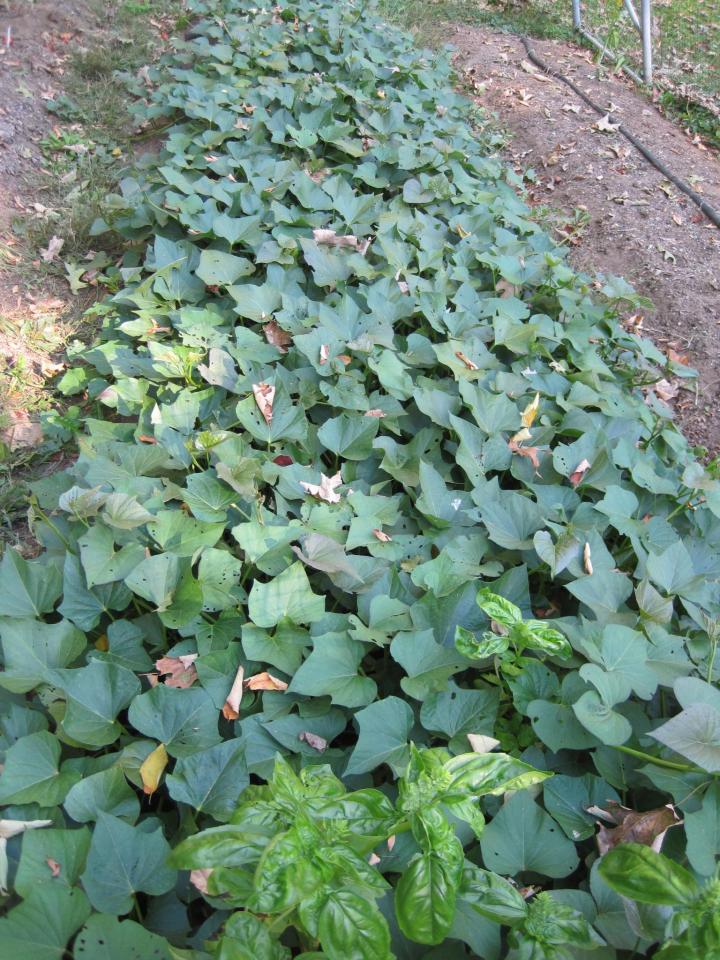
Sweet potatoes are another tropical plant popular in the South, and they are becoming a favorite with northern gardeners too. The plants like the heat as long as they have even moisture. Harvest before the soil temperatures drop below 55°F.
Summer Greens
Malabar spinach is an Asian green that grows best when soil temperatures are above 80°F and the air temperature is in the 90s. It is a climber, so plant it near a trellis or fence. It is not related to spinach at all, but makes a great substitute in summer, whether eaten raw or cooked.
New Zealand spinach is another good summer green. Originally from Australia and New Zealand, it is pretty much pest- and disease-free, along with being heat- and drought-tolerant. When cooked it tastes just like spinach.
Eggplant
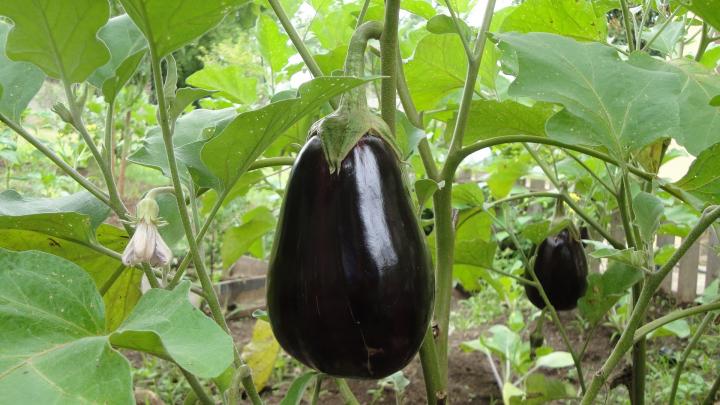
Eggplants love it when the soil warms up to 80° to 90°F and nights are above 70°F. They are native to Southeast Asia and India, where eggplant is the basis of many delicious recipes. Take advantage of hot weather to grow long-season types like ‘Listada de Gandia’ or ‘Black Beauty’, or for shorter growing seasons, choose an Asian variety such as ‘Ping Tung Long’ or ‘Thai Long Green’. Try your hand at growing eggplant!
Corn
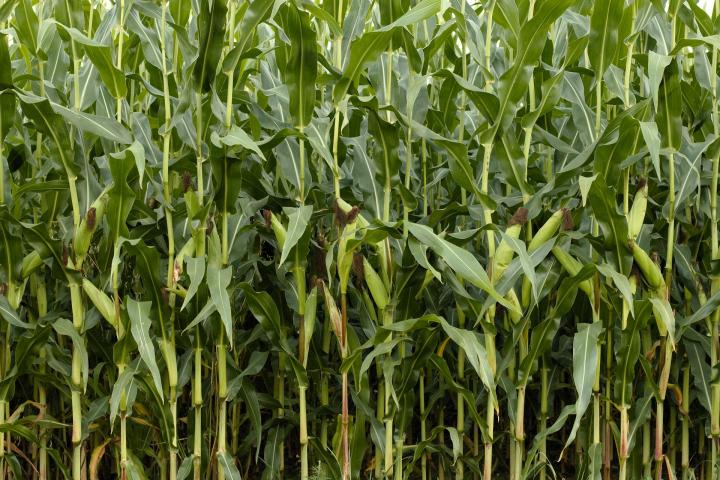
Corn hails from Mexico. The hotter it gets, the faster it grows, as long as there is adequate moisture in the soil. Corn really drinks up the water to form those crunchy kernels, so keep an eye on it. Learn more about planting and growing corn.
Tomatoes
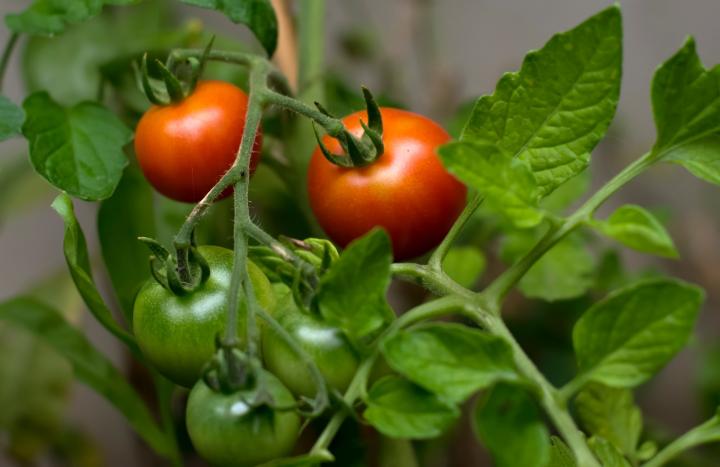
Tomatoes may be native to the tropics of South America, but prolonged periods of time with days over 95°F and nights over 85°F, coupled with dryness, can cause blossoms to drop and plant growth to stop. Look for hybrid varieties bred for the Deep South. The University of Florida has introduced many for growers in hot climates. Cherry tomatoes ‘Sungold’ and ‘Jasper’ are recommended for long, hot summers. Some heirlooms also stand up to heat well. Give ‘Arkansas Traveler’, ‘Brandywine’, and ‘San Marzano’ a try. Read our Guide to Growing Tomatoes.
Peppers
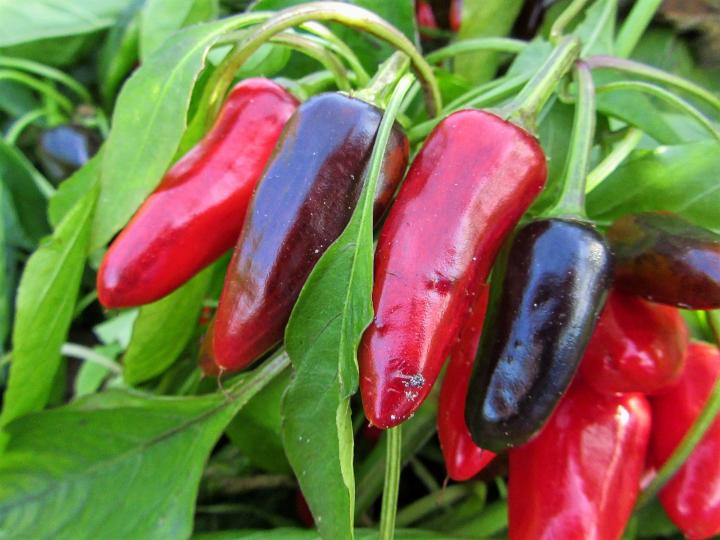
Peppers are another tropical plant from the western hemisphere, native to Central and South America. Hot peppers seem to hold up better during prolonged heat than the sweet bells. University of Florida recommends ‘Cal Wonder’, ‘Red Knight’, ‘Big Bertha’, ‘Sweet Banana’, and ‘Cubanelle’ for sweet peppers that can survive a heat wave as long as they are mulched well to keep soil moisture even. The Chile Pepper Institute at New Mexico State University has developed some awesome varieties of hot peppers that thrive in hot, dry locations. Look for any variety that has NuMex in its name.
Have you ever noticed that people living in the hottest climates eat a lot of spicy hot foods? It not only tastes great but can help to cool you off on a hot day. The spicy food makes you sweat by increasing your blood circulation, and as the sweat evaporates, it cools you down. Scientists call this gustatory facial sweating, since it is caused by food, and the sweat breaks out on your face first. So if you are sweltering in the heat, eat a spicy meal and cool down.
See the Almanac’s free Growing Guides for tips on how to grow all of these veggies!
What are your favorite vegetables to grow in hot weather? Did we miss any? Tell us in the comments!
More Like This

Comments