Primary Image
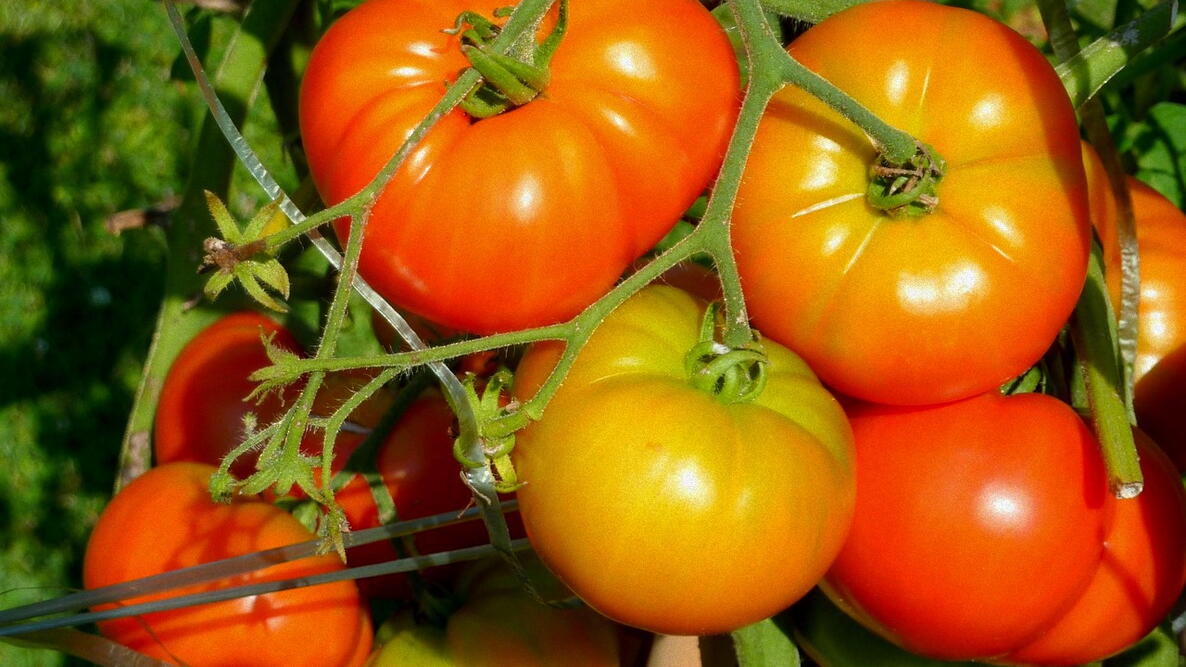
Image Credit:
Photo by Pixabay


More Like This
I am a 75 years old retiree. I hope to get starting growing some vegetables in the backyard or indoors. I have little information of doing that and hope your guidance could help me do so. Thanks again.
Dear Sirs,
We are an NGO trying to help poor farmers grow vegetables at high altitude in Ethiopia. WE are to use solar pumps to get water and irrigate the peasant fields (2-5) at different places.
We need high valued vegetables,
We need cold resisting plants
We need short sprouting days.
Please suggest the vegetables and the possible yields/ha.
Any other advice?
Fikre
It depends on where you are (what the altitude is and the lowest temperature you get). I built my own greenhouse with scraps of wood and old wondows. I was able to harvest spinach up until very very late in the season (January, temp: 1° F).
I grow tomatoes and I am able to can them (put them in a sterile sealed container). I'm still eating tomatoes from 2 years ago since I'm able to freeze them. I have given tomatoes, lettuce, thyme, rosemary, onions, garlic (planted the fall before) to 4 of my neighbors. I think Spinach is a great way to start. It is rich in vitamins and minerals.
I hope this helps and I wish you success. By the way, there are free plans for a green house online.
Stay in die western cape. but my garden are covered with shade net
please help me this is the first time ever I started with a garden a pensioner now
Thank you
I live in WV when can I start planting

Hi Carrie, See our Best Planting Dates calendar customized to your area:
Approx. when is the last Spring d=freeze for tomatoes? Also, when I have tomatoes growing, they have been getting rotten on the bottoms of the fruit. I cover the dirt with plastic, but I still get it! Any tips?
Hi Gina, We hope we can help. We don't know where you live, but you can check our Frost Dates Calendar which is customized to your zip code here: http://www.almanac.com/gardening/frostdates
Also, the tomato problem is most likely Blossom End Rot. We have a page about how to manage this common issue here: http://www.almanac.com/content/blossom-end-rot
Sounds like "blossom end rot" i believe it is a calcium deficiency can be fixed with fertilizer
just give it a google.
PLZ put the date
- « Previous
- 1
- 2
- …
- 10
- Next »
📣The Gardening Club Just Got Better! 3 Deliveries, 10% Store Discount, and more!

Comments