
Compact 4×7 raised bed divided into 1×1-foot squares for easy planning, planting, and harvesting.

The Square-Foot Garden Plot Plan (4×7 layout) is perfect for beginners who want a productive, compact raised bed garden with minimal fuss. By dividing your bed into 1×1-foot squares, you can grow a variety of vegetables, herbs, and flowers efficiently—maximizing space while keeping work manageable. This method simplifies planning, planting, and harvesting, making it ideal for first-time gardeners.
In This Article
Part of Our Garden Plan Collection
This plan is part of our Garden Plan Collection, a free library of tested raised bed garden layouts designed to help beginner gardeners grow confidently. Each plan is crafted to simplify gardening, reduce guesswork, and ensure a successful harvest.
What’s Included
- Square-Foot Garden layout that guides planting, crop rotation, and succession for vegetables, herbs, and flowers
- Beginner-friendly plant list with spacing, sowing, and harvest guidance
- Step-by-step instructions for soil prep, watering, and maintenance
- Real gardener insights using this Square-Foot Garden plan
| Feature | Details |
|---|---|
| Garden Type: | Square-Foot Vegetable (1 bed) |
| Difficulty Level | Beginner |
| Hardiness Zones: | 4–8 |
| Sun Exposure: | Full Sun |
| Seasonality: | Spring through Fall |
| Soil Type: | Rich, well-draining raised bed mix |
| Watering Needs: | Regular, consistent moisture |
| Special Features: | Square-Foot method (intensive, small-space planting) |
| Garden Size: | 4×7 ft (28 squares) |
| Fun Fact | Each square has a suggested number of plants based on crop size, from 1 zucchini per square to 16 carrots per square! |
Square-Foot Garden Plot Plan
Each 1×1 square in our Square-Foot Garden Layout has a recommended number of plants based on size. The number shown in each square tells you how many plants to put in that 1×1-foot space.
This spacing keeps your garden tidy, reduces competition for nutrients, and helps you track harvests. Compact beds are quicker to water, weed, and harvest—keeping beginner gardeners motivated.
To create your plant list, multiply the number shown in a square by how many squares of that crop appear in the layout (for example, 2 carrot squares × 16 plants per square = 32 carrots total).
For more details, see the Almanac guide to Square-Foot Gardening.
Garden Layout
The Almanac Garden Planner shows the space each crop needs, helping you match plants to container size.

The Plant List
| Plant Name | Plants per Square | Sow Indoors | Sow/Plant Outdoors | Harvest |
|---|---|---|---|---|
| Calendula | 4 | March → mid May | May → end of June | May → end of October |
| Carrot | 16 | — | Mid April → end of June | Mid July → mid December |
| Chili Pepper | 1 | Mid March → mid May | Mid May → end of June | Mid June → mid October |
| Cucamelon | 1 | Mid April → mid May | Mid May → end of June | Mid June → mid October |
| Marigold | 4 | Mid March → mid May | Mid May → end of June | July → mid October |
| Nasturtium | 1 | Mid April → mid May | Mid May → end of May | Mid July → mid October |
| Oregano | 1 | April → mid May | Mid May → end of June | Mid May → mid October |
| Parsley | 4 | April → mid May | Mid May → end of June | Mid May → end of December |
| Radish | 16 | — | Mid April → mid October | May → mid November |
| Sage | 1 | Mid March → mid May | Mid May → end of June | Mid May → mid October |
| Squash (Summer) | 1 | May → mid May | Mid May → end of June | July → mid October |
| Tomato (Small) | 1 | Mid March → mid May | Mid May → end of June | June → mid October |
| Zucchini | 1 | May → mid May | Mid May → end of June | July → mid October |
See guides to all the plants listed above: Almanac Vegetable Growing Guides.
Plants Per Square-Foot Cheat Sheet
This chart helps beginner gardeners know exactly how many plants fit in each square, making your garden productive without overcrowding. Use it to confirm the number shown in each square of the layout.
| Plant Type | Number per 1×1 ft Square |
|---|---|
| Leafy greens (lettuce, spinach) | 4–6 plants |
| Carrots | 16 plants |
| Radishes | 16 plants |
| Bush beans | 9 plants |
| Small peppers | 1–2 plants |
| Large peppers | 1 plant |
| Tomatoes (small) | 1 plant |
| Tomatoes (large) | 1 plant |
| Zucchini | 1 plant |
| Cucamelons / Melons | 1 plant |
| Herbs (parsley, basil, oregano, chives) | 1–4 plants depending on size |
| Flowers (marigold, calendula, nasturtium) | 4 plants |
How to Create Your Garden
- Soil Prep: Fill your raised bed with a light, nutrient-rich mix—⅓ compost, ⅓ peat moss or coco coir, ⅓ coarse vermiculite or topsoil. (Our Soil Calculator can help you mix the right amount.)
- Timing: Cool-season crops (carrots, radishes, lettuce, parsley): start early for a head start. Warm-season crops (tomatoes, peppers, zucchini, cucamelons): transplant after the last frost for best growth.
- Companion Planting: Group plants that benefit each other. 1) Herbs like oregano and parsley attract pollinators. 2) Marigolds and calendula help deter pests. Each square is perfect for experimenting with beneficial pairings and keeping your garden healthy.
- Crop Rotation & Succession Planting: In Square-Foot Gardening, each square is its own mini-plot. When a crop is harvested: 1) Refresh the soil with compost, and 2) Plant another crop. Quick growers like radishes, lettuce, or spinach can follow slower crops to keep your bed productive all season.
- Watering & Maintenance: Keep soil evenly moist with a soaker hose or drip irrigation. Add a layer of mulch to retain moisture and reduce weeds. Because the bed is compact and densely planted, it’s easier to monitor for pests and weeds efficiently.
- Harvesting: Harvest crops from each square as they mature. Frequent, gentle harvesting encourages more growth, especially for leafy greens, herbs, and smaller vegetables like radishes or cucamelons.
The Almanac Garden Planner includes a Square-Foot Gardening feature that assigns crops to squares and automatically calculates plant counts.


Gardener Spotlight: Renee’s Experience
“Hello! I am so grateful to the Almanac Garden Planner! This was my first year creating a vegetable garden, and I decided to start small with a single raised bed. I grew almost everything from seed—gratifying once those first sprouts appeared.”
Renee mapped out each square of her bed. Carrots popped up in neat clusters, chili peppers stood like tiny sentinels, and marigolds and calendula filled their squares with cheerful color. She even tried cucamelons—tiny, crunchy, and surprisingly easy to grow. She’s proud of how much her garden produced and the confidence it gave her. Next season may bring a second raised bed!
FAQs for the Square-Foot Garden Layout
Q: How big should each square be?
A: In Square-Foot Gardening, each bed is divided into 1×1-foot sections. Your 4×7 layout gives you 28 squares, each serving as a mini-plot for precise spacing and easy crop rotation.
Q: Do I need a special raised bed for Square-Foot Gardening?
A: Not at all. Any raised bed that’s 4 feet wide works beautifully—you just add a simple grid on top (wood laths, string, or even bamboo). The 4-foot width ensures you can reach each square without stepping into the bed.
Q: What’s the best soil mix for SFG?
A: Square-Foot Gardening traditionally uses a light, fluffy blend of one-third compost, one-third peat moss or coco coir, and one-third coarse vermiculite. This mix drains well, holds moisture, and gives seedlings the soft start they love.
Q: How do I water efficiently?
A: Because SFG beds are dense and productive, consistent moisture is key. Use drip irrigation or a soaker hose beneath the grid, and add a layer of organic mulch to help retain moisture and reduce weeds.
Q: Can I adjust the plants in each square?
A: Yes! Square-Foot Gardening is wonderfully flexible. Feel free to swap crops based on your tastes, space needs, or local pests. Just follow plants-per-square spacing (e.g., 16 carrots, 4 calendula, 1 pepper) to keep the bed thriving.
Q: Do I have to replant the entire bed at once?
A: Not at all. One of the best perks of SFG is succession planting—once you harvest a square, simply refresh the soil with a scoop of compost and plant again. It keeps your little garden productive from spring through fall.
Wit & Wisdom
“A garden is just a lot of little squares—until you plant hope in each one.”
- The Square-Foot method may feel modern, but the idea of intensive, small-space gardening goes back centuries. Monks, cottage gardeners, and market growers all learned to make every inch count.
- A simple wooden grid does more than organize your garden—it teaches you to plant with intention, harvest with gratitude, and leave no square behind.
- And remember: If you want to feel like a gardening genius, plant radishes. They sprout in days, mature in weeks, and make you look wildly competent.
Don’t stress about perfection—start small, enjoy the process, and watch your little squares thrive!
More Garden Layouts
If you’re looking to try a different approach, check out these alternative garden plans:
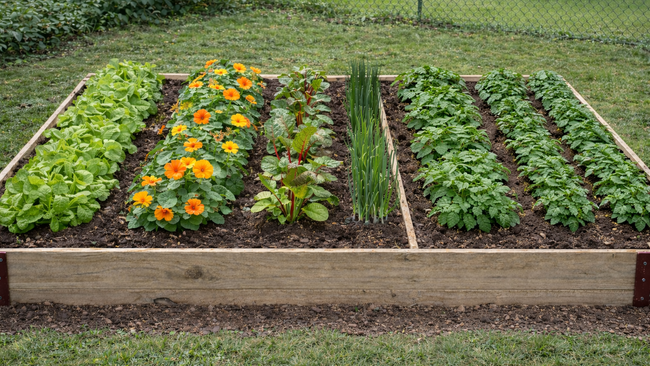
- Raised Bed Vegetable Garden - for gardeners who want a productive, low-maintenance kitchen-style garden.
- Vegetable Garden - a 4×8 raised bed vegetable garden plan is ideal for beginners.
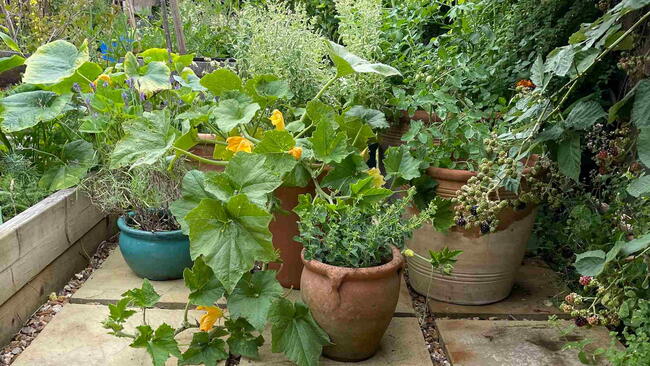
- Vegetable Container Garden - grow a productive, flexible garden almost anywhere using pots and containers.
- Herb Garden Plan - for flavor in the kitchen, fragrance in the home, and healing in daily life.
More References

Vegetable Garden Plans
Flower Garden Plans
More Like This




Comments