
A spring tonic is a traditional way to restore the body after winter using early spring greens and wild foods. From dandelion leaves and ramps to rhubarb and sassafras tea, these natural tonics were once believed to improve digestion, boost vitamins, and provide energy for the busy spring season.
What Is a Spring Tonic?
While the vernal equinox may mark the moment of spring, the appearance of the first greens makes it real. Early spring greens add vitamin C, vitamin A, and minerals to the diet.
For ages, those who are close to the land have been firm believers in the tonic effects of eating spring greens: they were said to stimulate the digestion, purify the blood, cure scurvy and ague, combat rheumatism, and repel kidney stones after a long cold winter of inactivity.
Why Spring Greens Were Important After Winter
Rich in vitamins and trace minerals, these cleansing greens and roots were prepared and drunk in early spring, providing much-needed nourishment and energy after a nutrient-poor winter. Tonics also stimulated the appetite, the circulation, and bodily functions as settlers got ready for physical farm labor.
Let’s face it—anything fresh and green no doubt tasted great after a wearisome winter of salt pork and dried beans!
How to Harvest Spring Tonics Sustainably
Whenever you’re collecting anything from the wild, it’s important to do so sustainably. Only take a small amount of flowers or foliage from any given plant population. This is especially critical for plants such as ramps, which are routinely overharvested for use in restaurants. Also be sure to get permission from land owners before setting out to forage. In order to ensure that these important plants come back each year, we need to harvest them with future generations—of both plants and humans—in mind!
Spring Tonic Tip: Harvest young greens early in the season for the best flavor and highest nutrient content. Always forage responsibly and avoid areas treated with chemicals.
Traditional Spring Tonic Plants and Foods
| Spring Plant | Traditional Use | Modern Nutritional Benefit |
|---|---|---|
| Dandelion | Digestion and blood cleansing | Vitamin A, C, minerals |
| Rhubarb | Digestive aid | Fiber and antioxidants |
| Sassafras | Blood purifier | Herbal tea (limited use) |
| Ramps | Disease protection | Vitamin C and antioxidants |
| Wild strawberries | Fever and inflammation | Vitamin C and phytonutrients |
Dandelion Tonic Benefits
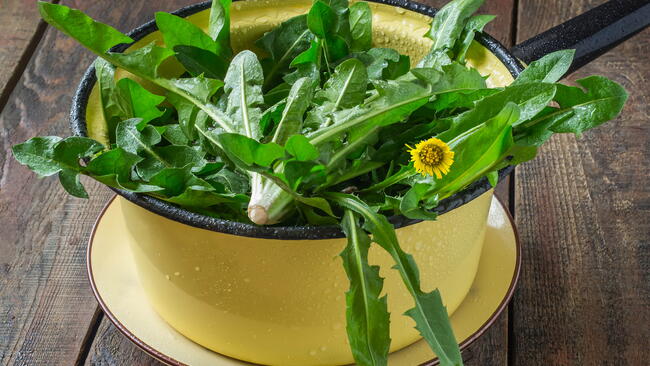
Dandelions were so valued that they were cultivated in gardens. Try using the tender young leaves (before the plant flowers) in salads, either fresh or blanched, as the French and Dutch settlers favored.
Or, use the leaves as one would spinach or make them into soup. (Those who boiled dandelion greens in water often made a point of drinking the “pot likker” or cooking water, which was, in fact, loaded with water-soluble vitamins.) Read more about the health benefits of dandelions.
These greens can also be frozen to use them to enjoy later in the year.
Did you know? Dandelions can also be used as a relaxing body rub. See our Natural Remedies for Stress and Anxiety.
Note: Make sure that the dandelions have not been treated with chemicals.

Rhubarb as a Spring Tonic
Rhubarb, or pieplant, was widely regarded as a fine spring tonic to aid the blood and the digestive system. Cooked and stewed rhubarb was called “spring fruit” in early cookbooks.
Note: Only eat rhubarb stalks. Do not eat the leaves, as they contain high levels of oxalic acid, which is toxic in high doses.
Boil rhubarb and enjoy it as a soup (with some sweetener). Rhubarb is also delicious in preserves, puddings, and pies.
→ See rhubarb recipes and our rhubarb planting guide!

Sassafras Tea and Traditional Uses
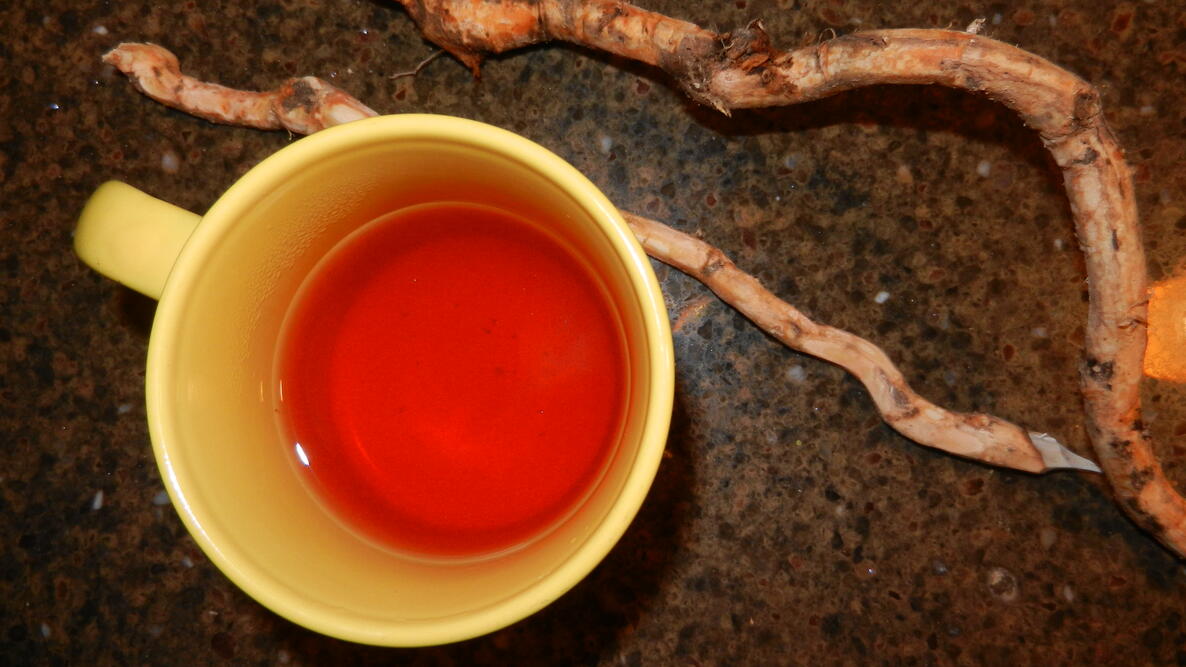
Early spring means it’s time to make sassafras tea! Old-timers made this popular spring tonic to “purify the blood” by boiling together bunches of sweet fern, sarsaparilla, wintergreen, and sassafras with water. Or, you can just boil sassafras root.
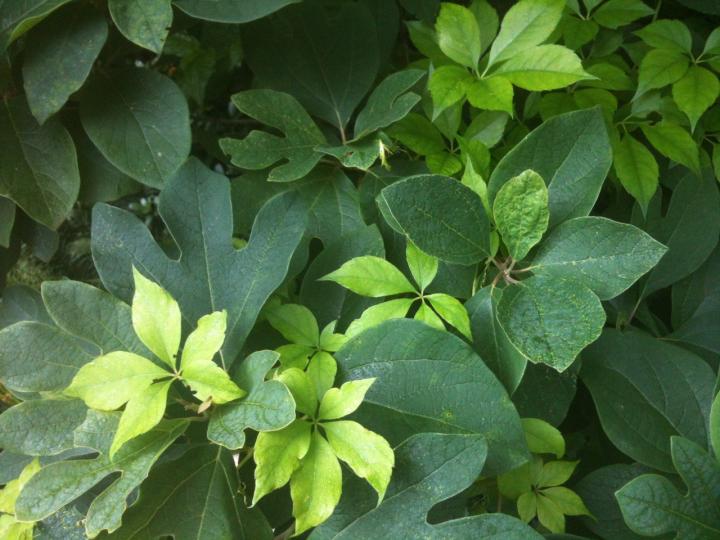
Sassafras saplings were a pioneer tree and are still common, especially on field edges as understory trees. Sassafras roots are dug up, dried for a few days, and chopped into two-inch pieces. (You need about a foot of root for a half-gallon of tea.) Leaves are dried, too. After boiling the concoction and simmering for 15 minutes, it’s drained and sweetened with sugar to taste. Sassafras tea is still popular today.
Note: Research has shown that safrole, the main flavoring in sassafras, causes cancer in rats. People still eat and drink wild sassafras (just not in large quantities), so do your research if you decide to try this wild tonic.
Wild Ramps and Their Health Benefits
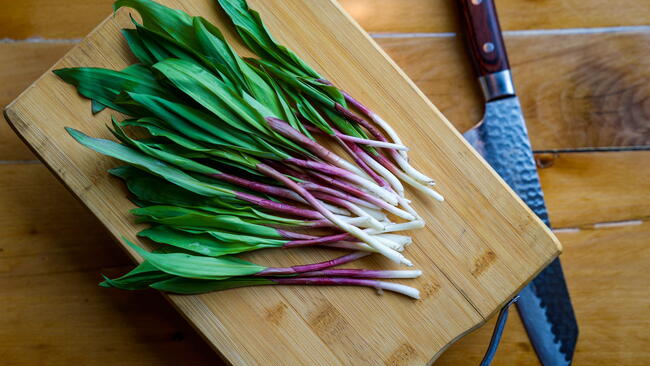
The ramp (Allium tricoccum), which is a type of early onion, briefly puts up broad leaves in early spring. Interestingly, ramps have become a delicacy in green markets today. In olden days, ramps were thought to cleanse the blood and protect people from illness.
Today, we know there is truth to this folklore. Packed with minerals and vitamin C (higher than oranges!), ramps have antibiotic and antiseptic properties and may protect against viruses such as colds. The allicin (diallylsulfide oxide) in ramps has even been linked to reduced rates of cancer. Ramps also contain flavonoids and other antioxidants.
→ See our recipe for Wild Ramp Pesto!

Strawberry Tea as a Spring Tonic
Yes, the wild strawberry is a tonic! One of the first fruit available in the spring, the leaves were traditionally used as a tea for fevers and kidney stones, and the root was used as an astringent. Of course, we know today that the berries provide a good source of natural vitamin C in the spring. Strawberry fruit and leaves both have phytonutrients that help in treating inflammation. The fruit also has antioxidants, which play a role in reducing the risk of cancer.
Try making a hot strawberry tea! In a saucepan, add 2 cups of water and 1/2 cup chopped strawberries and boil for 4 to 5 minutes and strain.
Or you can make this with strawberry leaves! In a teapot, add 1 cup of dried strawberry leaves and pour boiling water over the leaves. Steep for 8 to 10 minutes. Strain the tea and serve hot.

Are Spring Tonics Safe Today?
This article is mainly for those interested in our historical past, when spring tonics were a common way to restore energy and nutrition after a long winter. If you decide to try tonics using wild plants, it’s important to proceed with care and proper knowledge.
Always work with a reliable field guide or an experienced forager to correctly identify plants before harvesting or consuming them. Many wild plants have look-alikes that can be harmful, and proper identification is essential for safety. In addition, some traditional spring tonic ingredients—such as sassafras—are now known to contain compounds that should only be consumed in limited amounts, so modern research and guidance should always be considered.
It’s also important to harvest responsibly and legally. Make sure you have permission from landowners before collecting plants, and follow local regulations regarding foraging on public lands. Take only what you need and leave enough for the plant population to regenerate and support wildlife and future harvests.
Finally, remember that spring tonics today are best viewed as part of historical tradition and seasonal nutrition rather than medical treatment. While many spring greens provide valuable vitamins, minerals, and antioxidants, they should not replace professional medical advice or treatment.
Have you ever tried a traditional spring tonic or wild spring greens? Share your favorite in the comments!

More Like This




- « Previous
- 1
- 2
- …
- 10
- Next »

Comments